




Mastering Monsoon Drainage
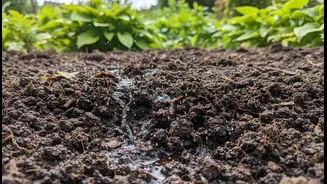
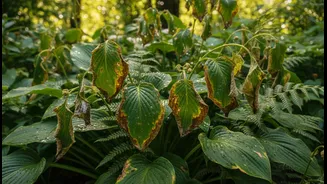
The single biggest threat to plants during the rainy season is waterlogged soil. When roots sit in stagnant water, they can't access oxygen, leading to root rot and eventual plant death. The first sign is often yellowing leaves or a drooping appearance
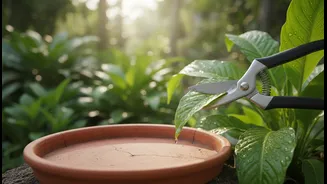
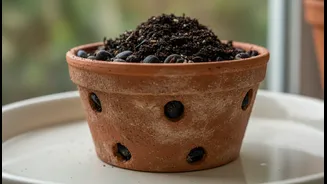
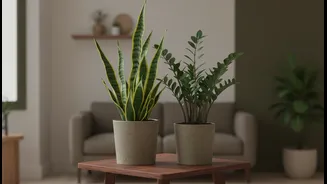
even when the soil is wet. To prevent this, ensure every pot has clear drainage holes. It’s a simple check that saves lives. Elevating pots on bricks or stands also helps excess water escape freely. For garden beds, creating raised beds or mixing in materials like compost, sand, or cocopeat can significantly improve the soil's structure and prevent water from pooling. Terracotta pots are often a better choice than plastic during this season, as their porous nature helps soak up excess moisture. Avoid the common myth of adding a layer of gravel to the bottom of pots; this can actually hinder drainage by creating a perched water table closer to the roots.
The Art of Strategic Pruning
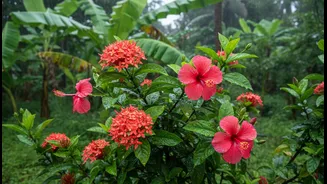
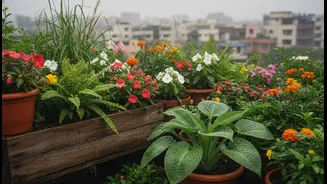
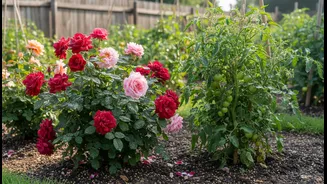
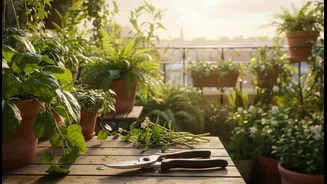
Pruning isn't just about shaping your plants; it's a vital health check, especially before and during the monsoon. Heavy rains and strong winds can easily snap weak or overgrown branches. More importantly, a dense canopy of leaves traps humidity, creating a perfect breeding ground for fungal diseases. The goal of monsoon pruning is to improve airflow and remove vulnerable parts of the plant. Before the heavy rains begin, inspect your plants for any dead, diseased, or crossing branches and cut them back using clean, sharp shears. Throughout the season, continue to remove any damaged leaves or spent flowers (a process called deadheading) to redirect the plant's energy towards new, healthy growth and more blooms. For flowering plants like hibiscus, roses, and jasmine, this regular trimming can lead to a more vibrant display. Don't be afraid to thin out crowded areas to let light and air penetrate the plant's core.
Winning the War on Pests
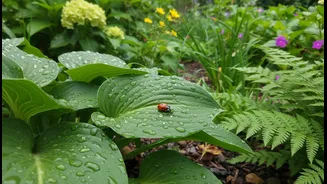
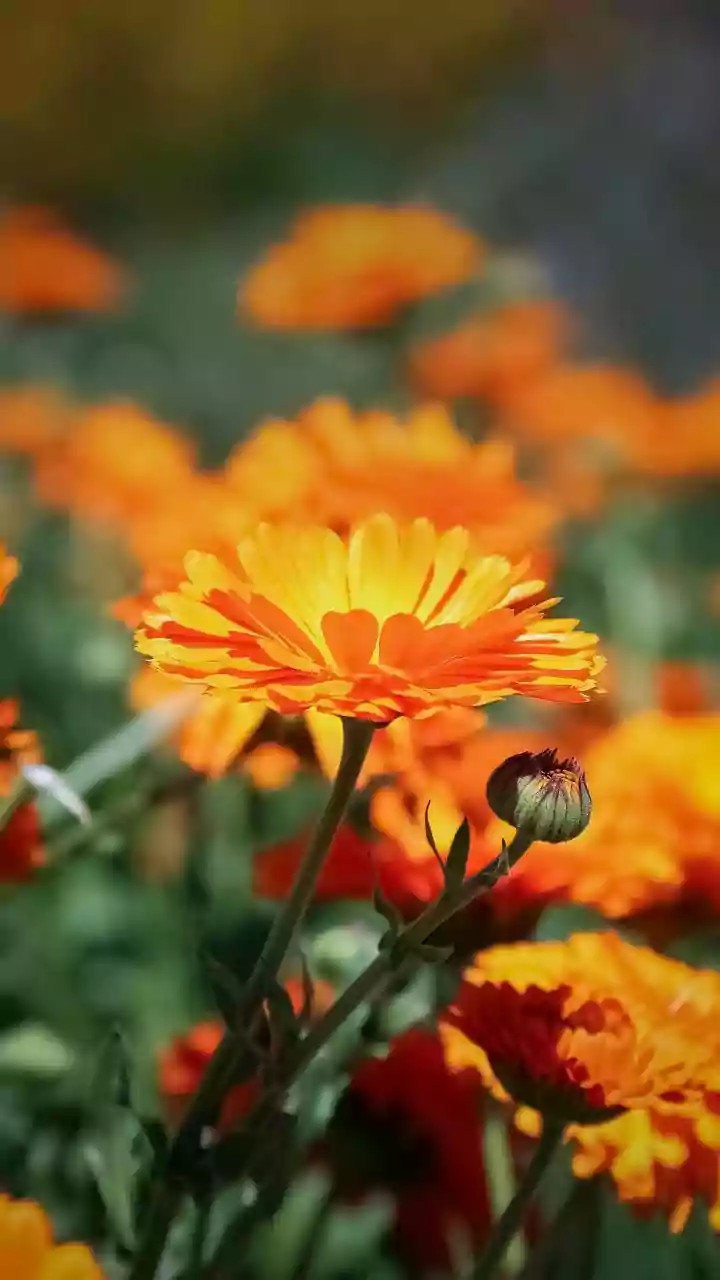
High humidity and damp conditions are an open invitation for pests. Slugs, snails, aphids, and mealybugs multiply rapidly in the monsoon. Fungal infections like powdery mildew and black spot also become common. The key to managing this is regular inspection and early intervention. Check your plants every few days, paying close attention to the undersides of leaves, where pests love to hide. Neem oil is an essential tool for organic pest control in India. A simple spray made from neem oil, a mild liquid soap, and water can effectively manage over 200 types of pests without harming beneficial insects like bees and ladybugs. For slugs and snails, a barrier of crushed eggshells or wood ash around the base of plants can deter them. Companion planting is another smart strategy; planting marigolds can help repel pests like nematodes and whiteflies, while basil can deter aphids. By staying vigilant and using these natural methods, you can keep infestations under control without resorting to harsh chemicals.