








The New Engines of Consumption
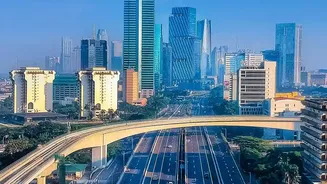
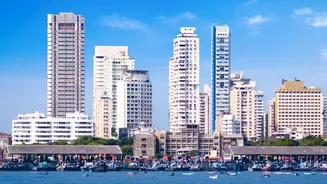
For years, the playbook for consumer brands in India was simple: win the metros. Cities like Mumbai, Delhi, and Bengaluru were the primary battlegrounds for market share. But that script is being rewritten. The next wave of economic growth and consumer demand
is now surging from Tier-2 and Tier-3 cities such as Lucknow, Jaipur, Indore, and Surat. These are no longer just feeder towns for the big cities; they are becoming powerful consumer markets in their own right. A report from July 2026 highlighted this shift, noting that the affluent population in these smaller urban centers has grown by a staggering 76% over the past six years. This isn't just a temporary trend but a structural realignment of India's economic geography. Nearly one in three urban Indians now lives in these cities, which are rapidly transforming from 'emerging' markets to the core drivers of national consumption.
What's Fuelling This Transformation?
Several key factors are driving this boom. First is the significant increase in disposable income. As households earn more, their spending naturally shifts from basic necessities toward discretionary items and lifestyle upgrades. Secondly, digital infrastructure has become the great equalizer. The proliferation of affordable smartphones and cheap data means consumers in smaller towns now have the same access to brands, trends, and e-commerce platforms as their metro counterparts. In fact, over 60% of e-commerce transactions now originate from Tier-2 and Tier-3 markets. This digital fluency, combined with the convenience of platforms like UPI, has dismantled previous barriers of access and trust, unlocking a massive, previously underserved consumer base. Improved logistics and delivery networks have been the final piece of the puzzle, ensuring that products can reach thousands of pin codes efficiently.
How Brands are Adapting
Companies are taking notice and strategically shifting their focus. The saturation of metro markets, where competition is fierce, has made expansion into smaller cities a necessity for growth. Direct-to-Consumer (D2C) brands, in particular, have been quick to capitalize on this trend. For brands like beauty retailer Plum, non-metro cities already account for about 60% of their sales. Even global giants and IT firms are expanding into smaller cities, drawn by cost efficiencies and a growing talent pool. However, success requires more than just showing up. Brands are learning that a one-size-fits-all approach doesn't work. Tailoring product assortments, marketing, and even in-store experiences to local cultural preferences is crucial. For instance, a strategy that works in Bhopal may not succeed in Bhubaneswar, as cultural nuances and consumer priorities can differ significantly. Many brands now use pin-code level data from their online sales to make precise decisions about physical store expansion.
Aspirations Go Mainstream
The consumer in smaller cities is aspirational, value-conscious, and increasingly brand-aware. Influenced by social media and content creators, they are eager to experiment with new products and seek premium experiences that were once the exclusive domain of metro residents. This is visible across various categories, from fashion and beauty to electronics and even foreign travel. One report noted a 77% surge in digital payments for watches and jewellery and a 59% increase in grocery spending in Tier-3 cities, reflecting a move towards branded and higher-quality goods. This shift is not just about buying more, but about buying better. Consumers are upgrading from basic items to premium alternatives as their purchasing power grows. This 'premiumisation' trend is a clear signal that the aspirations of consumers in Urban Bharat are now mirroring, and sometimes even leading, those in the metros.