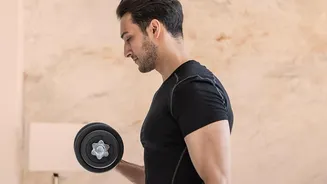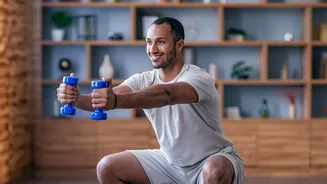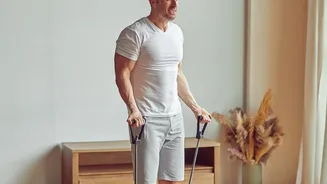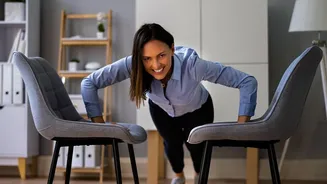




In our busy lives, finding a full hour for the gym can feel impossible. But what if you only needed five minutes? It turns out that short bursts of activity are not just better than nothing, they are a powerful tool for your health.
The Science of 'Exercise Snacking'
The idea that only
long, gruelling workouts count is officially outdated. Welcome to the era of 'exercise snacking' — short, efficient bursts of movement scattered throughout your day. Studies show that accumulating exercise in these small chunks can offer benefits equivalent to one continuous session, especially for improving blood pressure and metabolic health. Research from institutions like Columbia University has shown that even five-minute walks at regular intervals can help lower blood pressure and blood sugar. The key is consistency. These mini-workouts make it easier to reach the recommended 150 minutes of weekly activity and combat the negative effects of a sedentary lifestyle.
More Than Just Physical Benefits
The perks of a five-minute workout go far beyond the body. These short sessions can trigger the release of endorphins, the body's natural mood-lifters, leaving you feeling more positive and energized. This can help alleviate stress and create a sense of calm. Furthermore, the increased blood flow and oxygen to the brain can sharpen your focus and enhance mental clarity, making it a perfect break during a long workday. The sense of accomplishment from fitting in a quick workout also builds confidence and momentum, making it easier to stick with your fitness goals over the long term.
The 5-Minute Cardio Blast
Ready to get your heart pumping? This routine requires no equipment and can be done anywhere. Perform each exercise for 30 seconds, moving to the next without rest. After the final exercise, rest for 30 seconds and repeat the circuit once more. 1. Jumping Jacks: A classic full-body movement to warm up. 2. High Knees: Run in place, bringing your knees up towards your chest. 3. Mountain Climbers: From a plank position, alternate driving your knees towards your chest. 4. Butt Kicks: Jog in place, kicking your heels up towards your glutes. This simple circuit elevates your heart rate quickly, improving cardiovascular fitness and burning calories efficiently.
The 5-Minute Strength Session
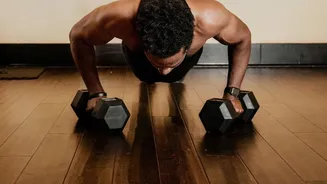
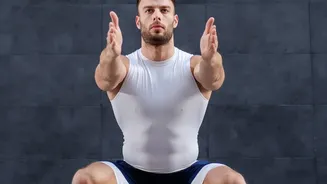
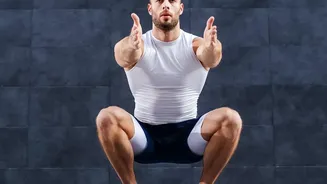
Building and maintaining strength is crucial for long-term health. While five minutes won't make you a bodybuilder, it can significantly improve functional strength, especially for those new to exercise. Try this simple bodyweight circuit, performing each move for 45 seconds with 15 seconds of rest in between. 1. Bodyweight Squats: Focus on sending your hips back and down, keeping your chest up. 2. Push-ups: Perform on your toes or drop to your knees for a modification. 3. Plank: Hold a straight line from your head to your heels, engaging your core. 4. Lunges: Step forward, alternating legs, and lower until both knees are at a 90-degree angle.
The Desk Worker's De-Stress Routine
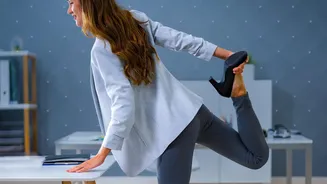
If you spend your day sitting, these 'movement snacks' are essential. They can be done right at your desk to break up long periods of sitting and reset your posture. 1. Chair Squats (1 minute): Stand up from your chair and sit back down, but just before you touch the seat, stand back up. Repeat. 2. Torso Twists (1 minute): Sitting tall, gently twist your upper body from side to side to mobilise your spine. 3. Wall Push-ups (1 minute): Stand facing a wall and perform push-ups against it to open up your chest. 4. Neck Stretches (1 minute): Gently tilt your head from side to side and look over each shoulder to release neck tension. 5. Seated Marching (1 minute): Sit on the edge of your chair and march your knees up and down to get blood flowing.
Making It a Habit
The greatest benefit of five-minute workouts comes from consistency. The key is to make them an automatic part of your day. Try 'habit stacking' by linking your mini-workout to an existing daily routine. For example, do a set of squats while your morning tea brews, or a quick cardio blast right after you log off from work. Schedule them in your calendar like any other appointment. Don't worry about having the right clothes or breaking a sweat; the goal is simply to move. Starting small makes the habit sustainable, and research shows that people who start with these micro-workouts are more likely to maintain an active lifestyle long-term.