





Why Gravity is a Drag for Research
On Earth, gravity is an invisible but constant force affecting everything, including biological research. It causes cells in a petri dish to flatten, heavier materials in a solution to settle, and protein crystals to grow with imperfections. For decades,
scientists have known that the microgravity environment of low Earth orbit (LEO) offers a unique laboratory where these terrestrial constraints vanish. In space, cells grow in three-dimensional clusters, or spheroids, that more closely mimic how they grow in the human body. This allows for more accurate testing of cancer drugs and therapies. Similarly, without the force of gravity pulling them down, protein crystals can form with near-perfect structures. Understanding a protein's exact 3D structure is crucial for designing drugs that can precisely target them, a cornerstone of modern medicine for diseases from muscular dystrophy to cancer. The effects of space also accelerate certain aging processes, like bone density loss and immune system impairment, providing researchers with a powerful model to study and find treatments for conditions like osteoporosis.
The New Landlords of Low Earth Orbit
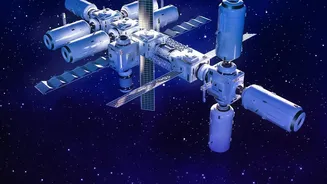
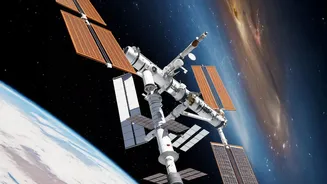
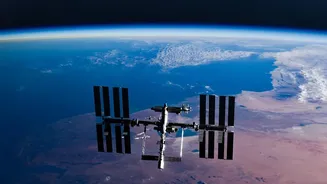
Until now, this revolutionary research environment has been almost exclusively the domain of government space agencies aboard the International Space Station (ISS). But with the ISS scheduled for retirement around 2030, a new class of entrepreneurs is stepping in. Companies like Axiom Space, Vast, and Sierra Space are in a race to launch the first commercial space stations. Axiom Space is taking a phased approach, first attaching its modules to the ISS before detaching to become a free-flying station. Vast, founded by tech billionaire Jed McCaleb, plans to launch its smaller, independent Haven-1 station as early as 2027. These companies are not just building astronaut hotels; they are developing state-of-the-art, commercially-focused research and manufacturing platforms. Their business model is built on providing access to governments, private companies, and research institutions, creating a new and robust economy in LEO.
From Perfect Crystals to Printed Organs
The potential applications are staggering. Pharmaceutical companies are already using the ISS to grow higher-quality protein crystals, leading to more effective drug designs. One investigation aided in the development of a drug for Rett syndrome that is now in clinical trials. Beyond crystals, the field of bioprinting sees immense promise in space. On Earth, printing soft tissues like organoids is difficult because they tend to collapse under their own weight. In microgravity, these delicate structures can be printed without the need for scaffolds, potentially paving the way for creating complex tissues or even entire organs for transplant. Researchers are also exploring how microgravity impacts stem cell growth, with early indications suggesting they flourish better in orbit, which could revolutionize regenerative medicine. This isn't science fiction; companies like SpacePharma and Ice Cubes are already automating and flying experiments, making space-based research more accessible and cost-effective.
The Challenges of an Orbital Lab
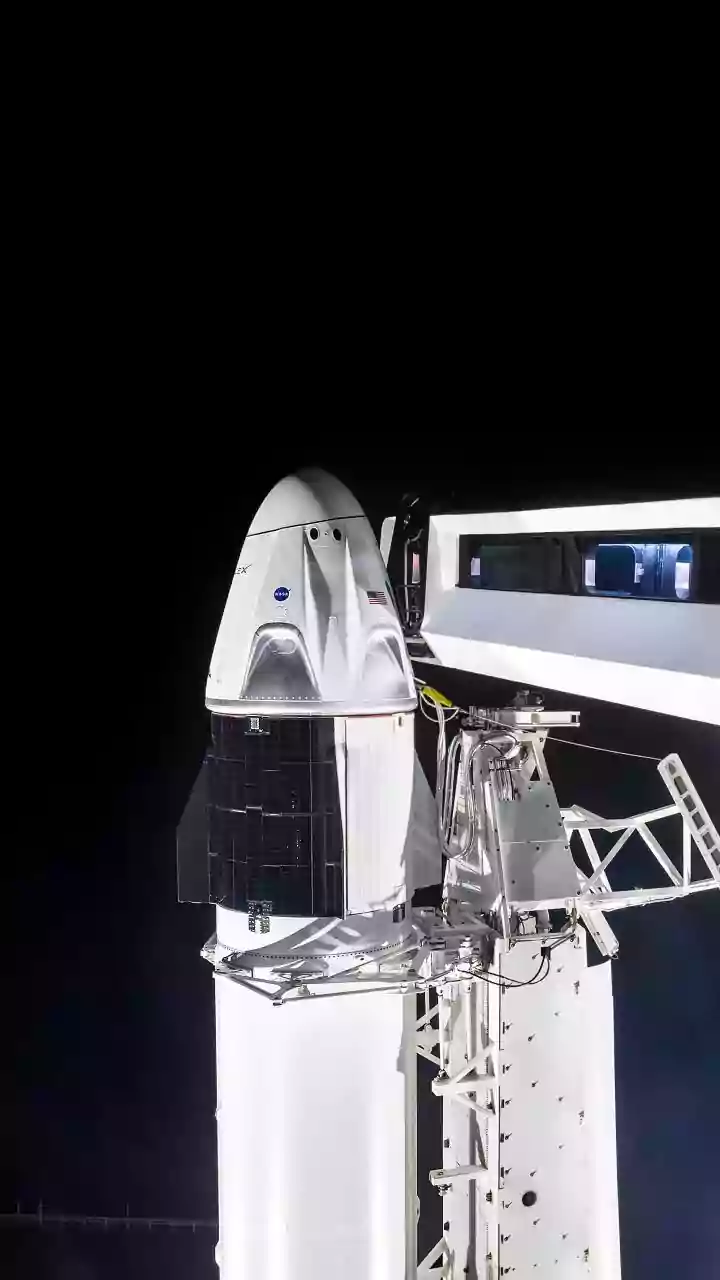
While the promise is immense, the path to a thriving research ecosystem in orbit is not without significant hurdles. The cost of launching materials, equipment, and personnel remains incredibly high, though reusable rockets from companies like SpaceX have drastically reduced launch expenses. Building and maintaining these habitats is a monumental engineering feat, requiring systems to protect against radiation, manage life support in a closed loop, and provide a constant source of power. Furthermore, there are regulatory and logistical challenges. A new framework of international laws and streamlined regulations will be needed to govern these commercial outposts and the intellectual property they generate. Ensuring a continuous human presence in LEO without a gap between the ISS's retirement and the commissioning of these new stations is a key focus for NASA and its commercial partners to maintain research momentum.