



Why Good Drainage is a Big Deal
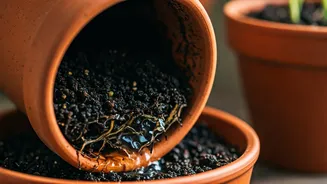
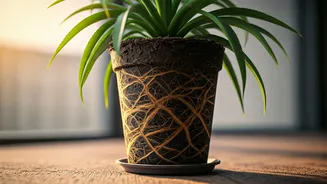
In nature, soil is part of a huge, complex system. On a balcony, a pot is a self-contained world, and water has very few places to go. When you water your plants, any excess needs to escape. If it can’t, the soil becomes waterlogged. This is bad news
for plant roots, which need oxygen to survive just as much as they need water. Without oxygen, roots can't function properly; they can't absorb nutrients and will eventually begin to decay. This condition, known as root rot, is one of the most common reasons container plants fail. Proper drainage ensures that water moves through the soil, preventing it from becoming a stagnant, oxygen-deprived environment that’s also a perfect breeding ground for harmful fungi and bacteria.
Warning Signs of a Drainage Problem
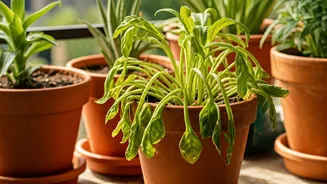
Your plants will tell you when they’re unhappy with their water situation. One of the most common signs is yellowing leaves, especially if they appear despite the soil feeling constantly damp. You might also notice wilting, which can be confusing because it looks like the plant is thirsty. However, when roots are drowning, they can no longer take up water, leading to a wilted appearance even in wet soil. Other tell-tale signs include stunted growth, a musty or mouldy smell coming from the soil, and visible fungus on the soil's surface. If you spot any of these, it’s time to investigate your drainage situation before it’s too late.
Choosing the Right Pot and Soil
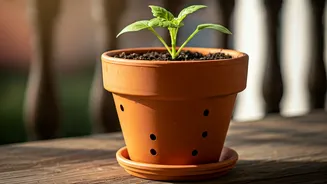
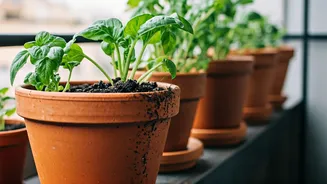
The simplest way to ensure good drainage is to start with the right foundation. First, always choose a pot with drainage holes. It’s non-negotiable for long-term plant health. If you’ve fallen in love with a decorative pot that doesn't have holes, use it as a 'cachepot'—a decorative outer container. Simply place a slightly smaller plastic pot with holes inside it. Second, use a high-quality potting mix, not soil from a garden. Garden soil is too dense and compacts easily in pots, choking out air and preventing water from escaping. A good potting mix is lighter and contains ingredients like perlite or vermiculite that create air pockets and help water drain freely.
Smart Solutions for Better Flow
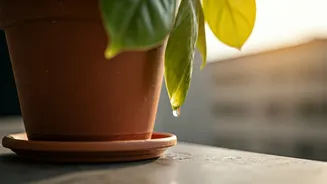
Even with the right pot and soil, you can do more to improve flow. A popular old gardening tip was to add a layer of gravel or broken pottery to the bottom of pots. However, this has been widely debunked; it actually raises the water level inside the pot, bringing the soggy zone closer to the roots. Instead, focus on what happens outside the pot. Elevating your pots with 'pot feet' or small bricks is a simple but highly effective trick. This creates a gap between the pot's base and the balcony floor, allowing water and air to move freely and preventing the pot from sitting in a puddle. Also, when watering, do so thoroughly until water runs from the bottom, but be sure to empty any excess from the saucer. Letting a pot sit in a full saucer negates the benefits of drainage holes.
Managing Water Runoff on the Balcony
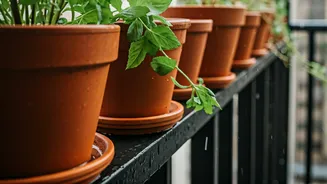
Good drainage isn't just about keeping your plants alive; it's also about being a good neighbour. Excess water running off your balcony can stain the surface or drip onto people and property below. Using deep saucers or trays under your pots is the first line of defence to catch runoff. For larger collections of plants, you can group them on a single large, waterproof tray. If you have planters attached to your railing, ensure they have a system to catch drips or are designed not to overflow. Being mindful of where your water goes ensures your gardening hobby doesn't become someone else's headache.