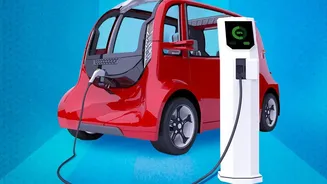

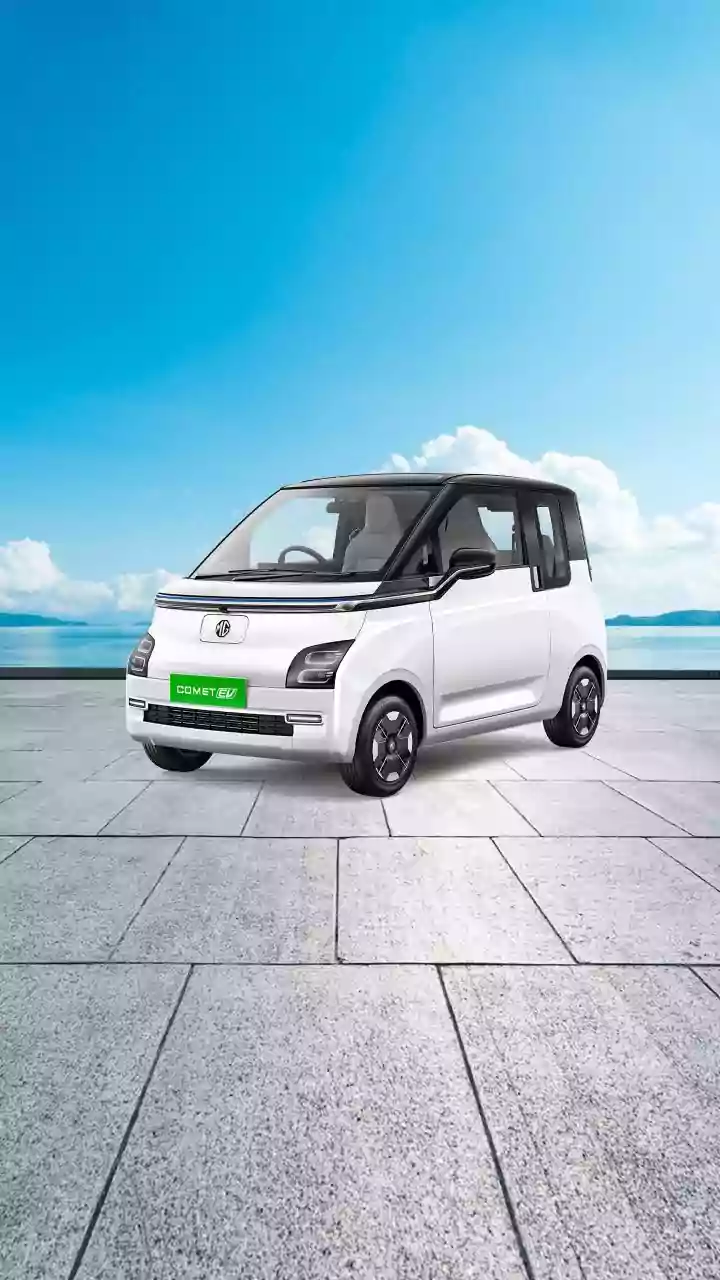
The EV Price Hurdle in India
For years, the dream of widespread electric vehicle adoption in India has been tethered to one significant challenge: the battery. Accounting for a huge chunk of an EV's total cost, lithium-ion batteries have kept prices stubbornly high for the average
consumer. These batteries rely on materials like lithium, cobalt, and nickel, whose supply chains are complex, expensive, and often geopolitically sensitive. India imports a vast majority of these materials and the finished battery cells, exposing the domestic market to global price volatility and supply disruptions, particularly from China which dominates the processing industry. This dependency has made it difficult to bring down EV costs to a level that can truly compete with traditional petrol and diesel vehicles, especially in the crucial two-wheeler and budget car segments.
Enter the Sodium-Ion Solution
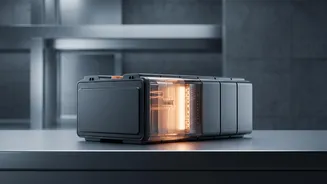
Imagine a battery powered by one of the most abundant and cheapest elements on Earth. That's the promise of sodium-ion (Na-ion) battery technology. Functioning on a similar principle to their lithium-ion cousins, these batteries use sodium ions to store and release energy. The key difference, however, lies in the raw materials. Sodium is found everywhere, from sea water to common salt, making it incredibly inexpensive and widely available domestically. This simple fact has profound implications, offering a direct path to cutting battery costs by an estimated 20-30% once produced at scale. It's a technology that several Indian firms and research institutions are now aggressively pursuing.
The Strategic 'Make in India' Advantage
The shift to sodium-ion is more than just a cost-saving measure; it's a strategic move that aligns perfectly with India's 'Atmanirbhar Bharat' (self-reliant India) mission. By building a domestic supply chain around abundant sodium, India can dramatically reduce its reliance on imported lithium and other critical minerals. This not only enhances national energy security but also insulates the EV industry from global supply chain shocks. Companies like Reliance Industries, through its acquisition of UK-based Faradion, and homegrown innovators such as KPIT Technologies and IndiEnergy are at the forefront of this push. Reliance plans to leverage the technology for its giga-factory in Jamnagar, while KPIT has partnered with Trentar Energy Solutions to commercialize its own indigenous sodium-ion tech. Others, like IndiEnergy, are even developing anodes from agricultural waste like crop stubble, creating a uniquely circular and sustainable domestic ecosystem.
Performance, Safety, and Trade-Offs
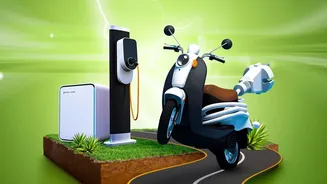
So, if sodium-ion is so much cheaper, what's the catch? The primary trade-off has been energy density. Early sodium-ion batteries store less energy per kilogram compared to high-end lithium-ion cells, which translates to a shorter range for the vehicle. However, for a large portion of the Indian market, this is not a deal-breaker. The technology is ideal for two-wheelers, three-wheelers, and city-centric cars where daily travel distances are short and affordability is paramount. Furthermore, sodium-ion batteries offer significant advantages. They are inherently safer, with a much lower risk of fire, and perform exceptionally well in both extreme heat and cold—a major plus for India's diverse climate. They also demonstrate a long cycle life, with some variants retaining 80% capacity after 3,000 to 6,000 charge cycles, and support faster charging.
What This Means for Indian Buyers
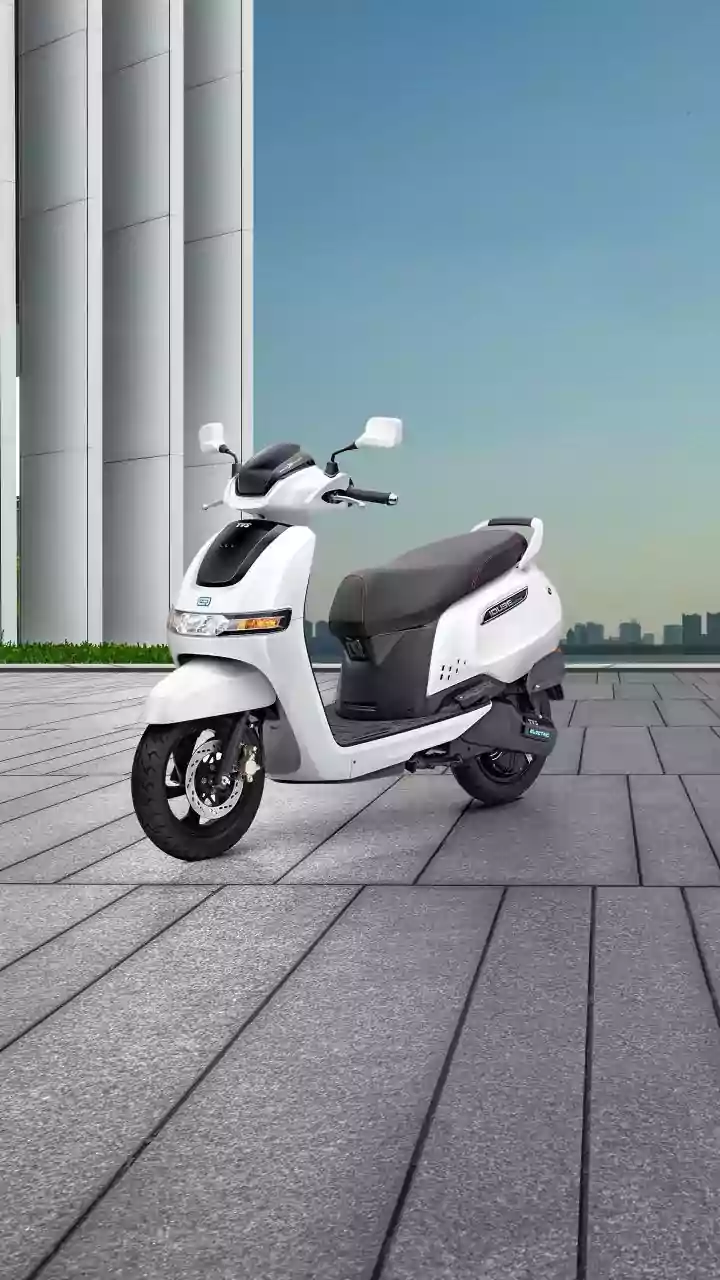
The transition won't happen overnight, but the momentum is undeniable. Global battery giants are already starting mass production, and the first EVs with sodium-ion packs are hitting the roads in other markets. In India, the initial impact will likely be seen in the most price-sensitive segments. Expect to see more affordable electric scooters, auto-rickshaws, and entry-level commercial vehicles equipped with this technology in the coming years. Companies like KPIT and Reliance have laid out roadmaps, with manufacturing facilities expected to come online around 2026. For the average Indian buyer, this means the prospect of purchasing an EV could soon become a practical reality rather than a distant aspiration. The technology promises not just a lower sticker price, but also the peace of mind that comes with enhanced safety and a battery built for Indian conditions.