






The Philosophy of Fasting
The diet observed during Sawan, and other Hindu fasts, is known as a ‘phalahari’ or ‘sattvic’ diet. The core principle is to consume foods that are considered pure, light, and easy to digest, helping to keep the mind calm for prayer and meditation. A
key rule is the avoidance of ‘anna’ or cereal grains like wheat, rice, and lentils, as well as tamasic (heavy or grounding) foods like onion and garlic. This is where our three featured ingredients come in. They are permitted because, botanically, they are not true grains. This distinction is the secret to their widespread use during fasts.
Makhana: The Puffed Powerhouse
Makhana, or fox nuts, are the puffed seeds of the prickly water lily plant. Since they are seeds and not cereal grains, they are an approved vrat food. For generations, they have been a fasting staple, but science now confirms their impressive nutritional profile. Makhana is low in calories and fat but rich in protein and fibre, which helps you stay full and energetic throughout the day without feeling heavy. They are also a great source of essential minerals like magnesium and potassium, which are important for maintaining energy levels and muscle function during a restricted diet. Whether roasted with a pinch of rock salt or turned into a creamy kheer, makhana is a versatile and nourishing choice.
Kuttu: The Misunderstood Seed
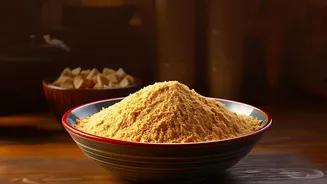
Kuttu, or buckwheat, is often thought of as a grain, but it's actually the seed of a flowering plant related to rhubarb. This non-grain status makes it a perfect substitute for wheat flour during Sawan fasts. Kuttu ka atta (buckwheat flour) is used to make everything from puris and parathas to cheelas. Nutritionally, buckwheat is a winner. It is naturally gluten-free and packed with dietary fibre and protein, which aids in digestion and provides sustained energy. During the monsoon season, when Ayurveda suggests our digestive fire or 'agni' is weaker, these lighter, gluten-free flours are considered much easier on the system than heavy wheat. So, while it functions like a grain in the kitchen, its botanical identity as a seed gives it a pass for the fasting menu.
Rajgira: The Royal Ancient Seed
Rajgira, also known as amaranth, means 'royal grain' or 'God's grain' (Ramdana). Like buckwheat, it is a 'pseudocereal'—a seed that is consumed like a grain but doesn't come from a grass plant. This ancient food, revered by civilizations from the Aztecs to those in the Indus Valley, is a nutritional heavyweight. Rajgira is a complete protein, meaning it contains all essential amino acids, and is exceptionally rich in minerals like iron, calcium, and magnesium. Its high protein and fibre content make it incredibly satiating, providing the stamina needed to get through a day of fasting. The flour is used for rotis and puris, while the popped seeds are used to make chikki and laddoos, providing both nourishment and a touch of sweetness.
Tradition Meets Modern Nutrition
The choice of makhana, kuttu, and rajgira during Sawan is a beautiful example of where ancient wisdom and modern nutritional science intersect. The religious rules classify them as permissible non-grains, while their nutritional makeup makes them ideal for a restricted diet. They provide a balanced mix of complex carbohydrates for energy, protein for strength, and fibre for digestive health, all while being light and easy on the stomach. This ensures that observing a fast is a spiritually fulfilling experience without compromising physical health and vitality. By choosing these ingredients, devotees are following a tradition that is as nourishing for the body as it is for the soul.