



More Than Just A Feeling
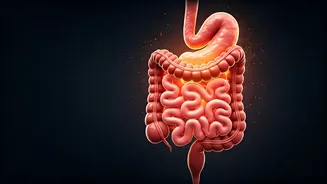
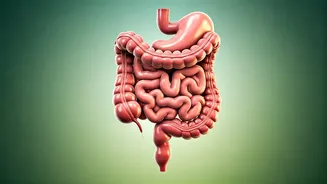
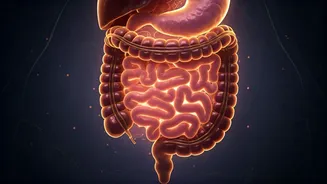
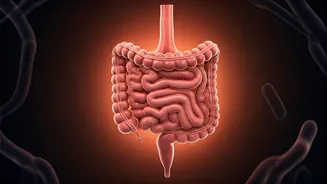
For decades, we’ve treated the gut as a simple, if sometimes troublesome, plumbing system. Its job was to digest food, absorb nutrients, and get rid of waste. Any discussion of gut feelings was purely metaphorical. But that view is now profoundly outdated.
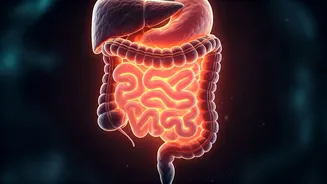
Scientists and doctors are reframing the gut as the body's second brain—a complex and intelligent ecosystem that sits at the very centre of our overall health, influencing everything from our immune system and skin clarity to our mood and mental resilience. This shift in understanding isn't just academic; it’s a revolution in how we approach personal wellness, placing our digestive system at the forefront of a healthy life.
Meet Your Microbiome
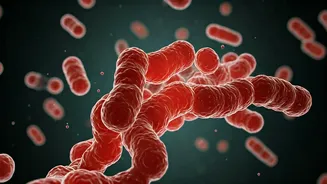
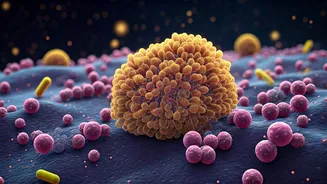
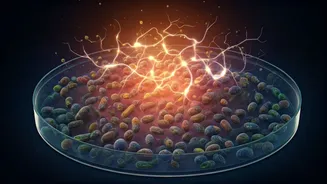
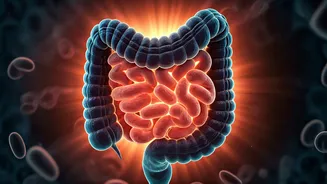
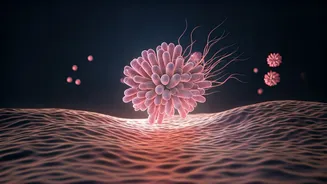
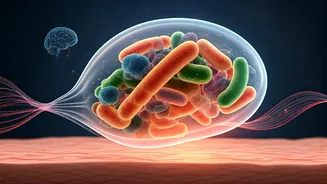
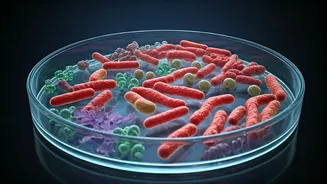
The star of this revolution is the gut microbiome: the vast community of trillions of bacteria, viruses, and fungi living primarily in our large intestine. While the word 'bacteria' might sound alarming, the vast majority of these microorganisms are not only harmless but essential for our survival. Think of it as a bustling internal garden. When it’s flourishing with a diverse range of beneficial species, it helps us break down food, synthesise essential vitamins, train our immune system to fight off pathogens, and even regulate our metabolism. But when this delicate ecosystem is thrown out of balance—a state known as dysbiosis—it can contribute to inflammation and has been linked to a host of chronic health issues.
The Gut-Brain Connection
Perhaps the most fascinating discovery is the gut-brain axis, a constant two-way communication highway. Your gut is lined with millions of nerve cells that send signals directly to your brain, and vice-versa. This is why stress can trigger digestive upset, and it's also why what happens in your gut can profoundly affect your mental state. Over 90% of the body's serotonin, a key neurotransmitter that regulates mood, is produced in the gut. Emerging research suggests that an imbalanced microbiome may play a role in conditions like anxiety and depression. While it's not a simple cause-and-effect relationship, nurturing your gut is increasingly seen as a vital strategy for supporting mental well-being.
How To Feed Your Gut
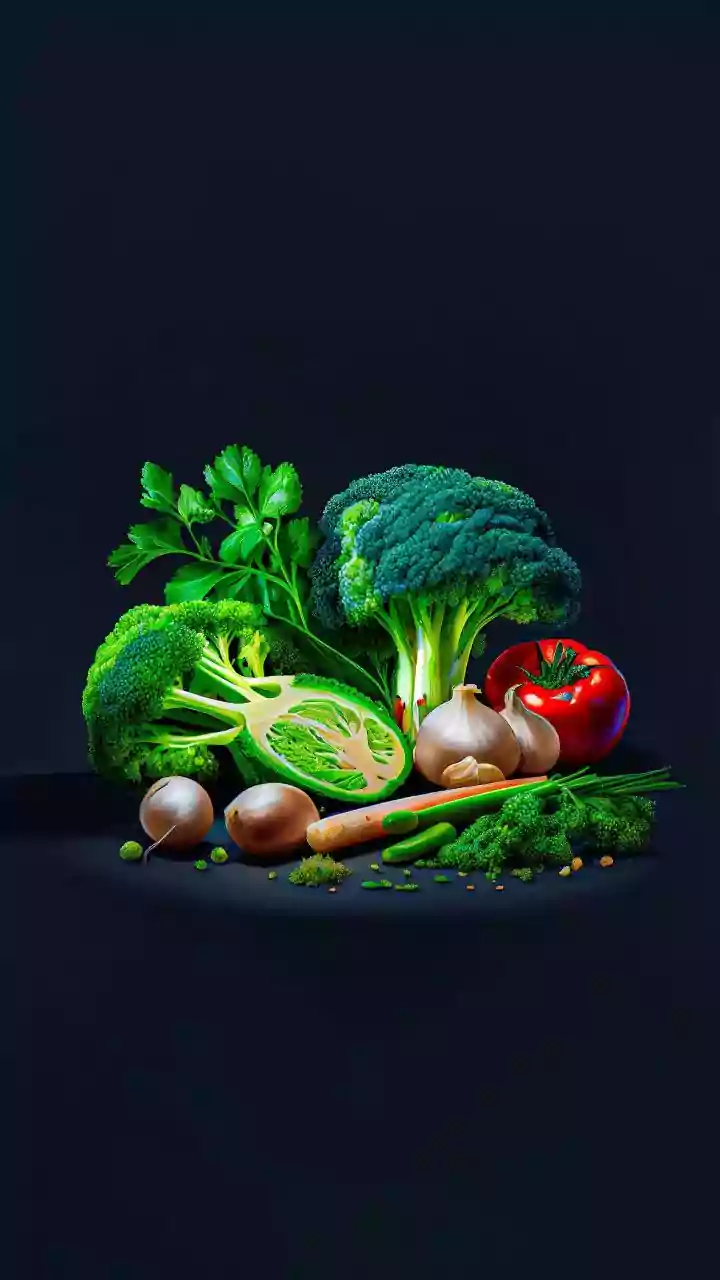
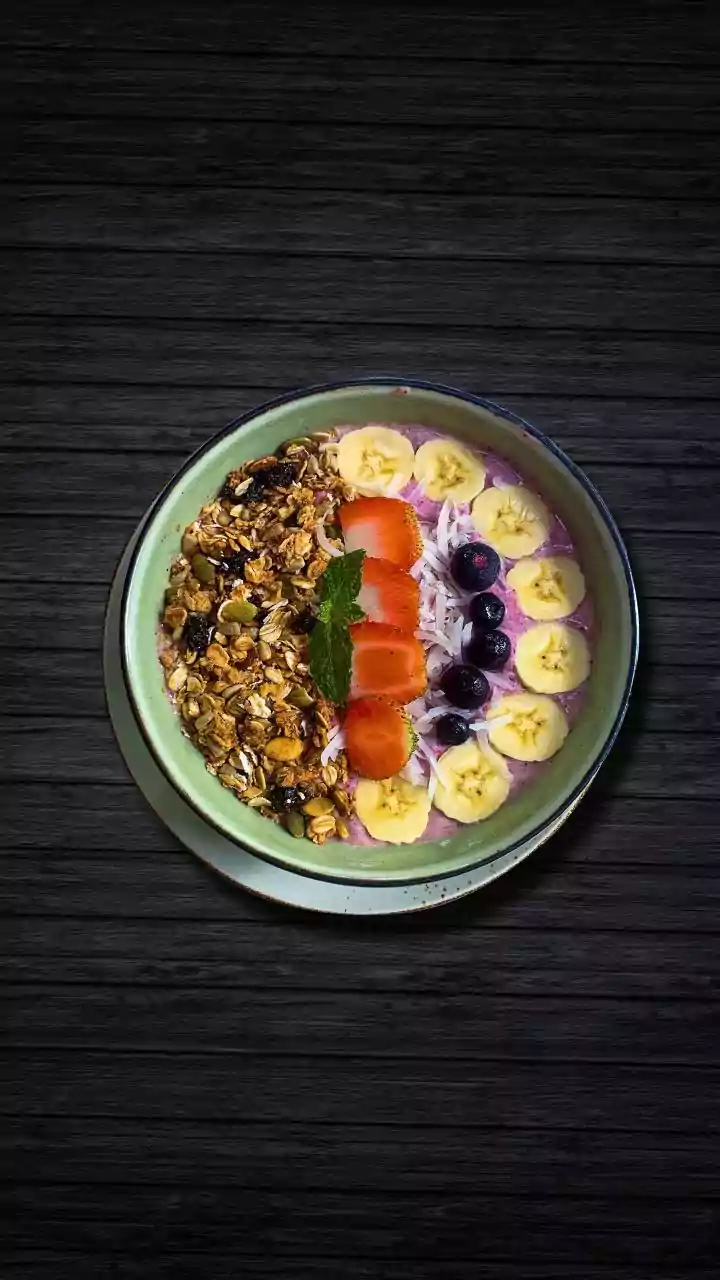
So, how can you support this vital internal ecosystem? The good news is that you have significant control through your diet. The key is variety and fibre. The beneficial microbes in your gut thrive on prebiotics—types of dietary fibre found in foods like onions, garlic, bananas, oats, and legumes. Eating a wide array of plant-based foods helps foster a diverse and resilient microbiome. Then there are probiotics: live beneficial bacteria found in fermented foods. Incorporating things like plain yoghurt, kefir, kimchi, sauerkraut, and kombucha into your diet can help introduce helpful species into your gut garden. It’s less about a restrictive diet and more about adding these nutrient-dense, gut-friendly foods.
Navigating The Probiotic Boom
The gut health revolution has also triggered a massive commercial boom. The market is flooded with probiotic supplements, powders, and fortified snacks, all promising to optimise your gut. While some can be beneficial, it's an area where consumers should be cautious. The supplement industry is not as tightly regulated as pharmaceuticals, and the effectiveness of a probiotic depends on the specific strains of bacteria it contains and whether they can survive the journey to your gut. A food-first approach is almost always the best starting point. If you are considering a supplement, especially for a specific health concern, it's wise to consult a doctor or a registered dietitian who can guide you toward evidence-based products.