



The Damage Beyond the Footprints
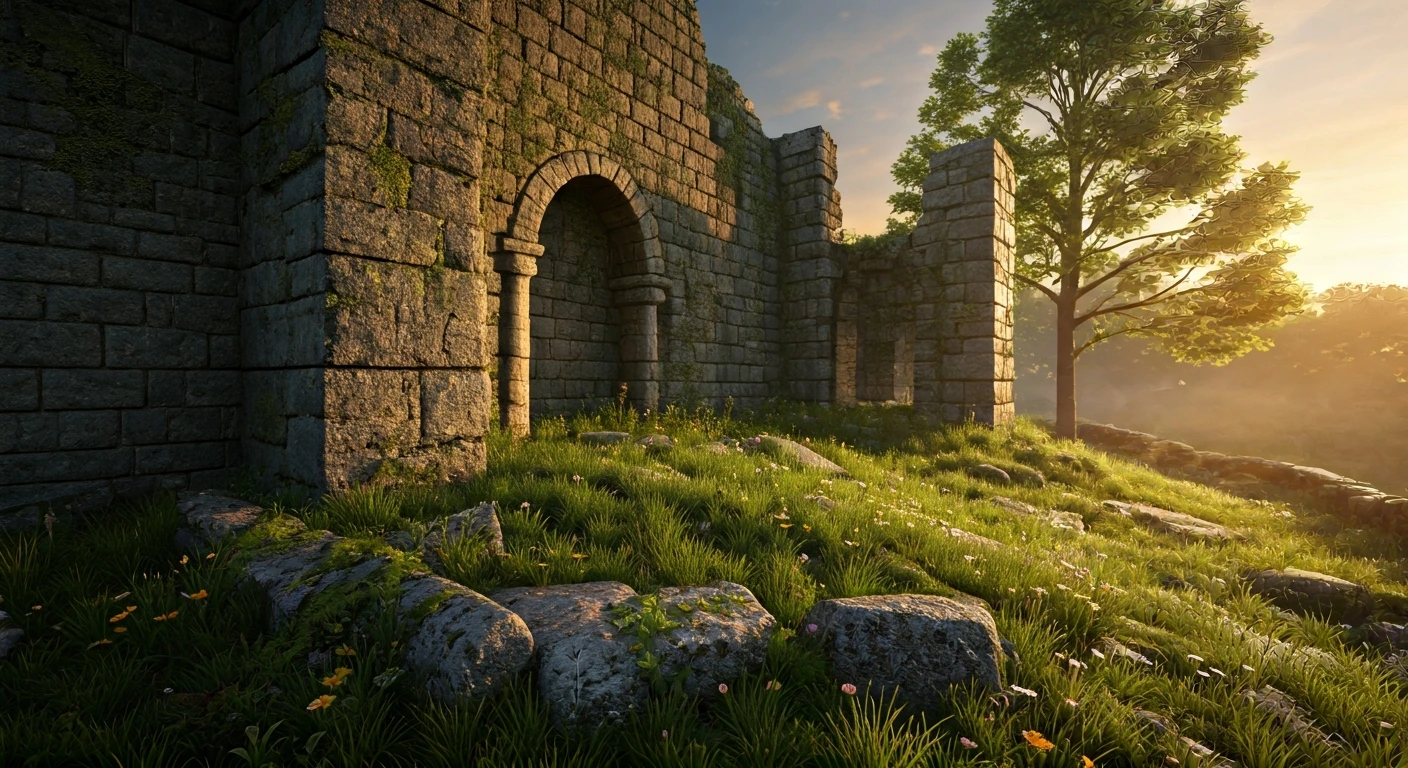
Fragile sites are not just delicate ecosystems but also ancient cities, sacred temples, and historic monuments that are vulnerable to degradation. The impact of mass tourism goes far beyond crowded photos and littered pathways. At sites like Cambodia's
Angkor Wat, the constant touch of millions of hands on ancient sandstone carvings causes irreversible erosion. In the Sistine Chapel, the collective breath and body heat of thousands of daily visitors threaten 500-year-old frescoes. Overtourism isn't just an inconvenience; it is a physical force actively wearing down our shared global heritage. This damage happens when a place's significance is reduced to a backdrop, an item to be checked off a list without any real understanding of its story or sanctity.
Why 'Do Not Touch' Is Not Enough
Most fragile sites have rules: stay on the path, don't use flash photography, do not touch. But a rope barrier and a sign are weak defences against a crowd that doesn’t understand why the rules exist. When a visitor sees a stone structure as just a pile of old rocks, the temptation to climb it for a better photo often outweighs a sterile warning. The problem is a lack of context. Without a compelling narrative that explains the spiritual importance of a temple, the incredible craftsmanship of a carving, or the delicate ecological balance of a landscape, rules feel arbitrary and easy to ignore. This is a failure of communication, not just a failure of tourist behaviour. We are telling people what not to do, but failing to give them a reason to care.
The 'Selfie Tourism' Epidemic
The rise of social media has amplified this disconnect. So-called 'selfie tourism' encourages visitors to see destinations not as places to experience, but as backdrops for personal branding. The goal becomes capturing the perfect, envy-inducing shot for Instagram or TikTok, rather than immersing oneself in the history or culture of the site. This trend drives huge crowds to specific photo spots, often in ecologically or structurally sensitive areas not built to handle the traffic. From tourists in a Venice gondola capsizing because they wouldn't stop taking photos, to the Austrian town of Hallstatt putting up a fence to block a famous selfie view, the quest for the viral image often sidelines respect, safety, and genuine engagement.
What Better Context Looks Like
Providing better context means moving beyond reciting dates and facts. It’s about storytelling. This is the work of 'heritage interpretation', a field dedicated to revealing the deeper meaning of a place to connect with visitors on an emotional and intellectual level. A well-trained guide can do more than point out features; they can weave a narrative that makes the history come alive, helping a tourist see a site not as a ruin, but as a living piece of history. Other tools include immersive audio guides, mobile apps that use augmented reality to show a site in its former glory, and pre-visit educational content that builds anticipation and respect. By providing this deeper layer of understanding, the site transforms from a passive backdrop into an active character in a story the visitor feels part of.
A Shared Responsibility
Blaming tourists alone is too simple. The responsibility to create and provide context is a shared one. Governments and tourism boards need to invest in high-quality guide training and certification programs. Site managers must prioritise interpretive planning, designing visitor flows and exhibits that tell a compelling story rather than just managing queues. Tour operators have a commercial and ethical duty to hire knowledgeable guides and educate their clients before they even arrive. When the entire tourism ecosystem values context over volume, it shifts the focus from simply moving bodies through a space to creating meaningful, respectful, and truly sustainable experiences.