






A Gathering Storm for the Economy
El Niño is a climate pattern characterized by the warming of surface waters in the central and eastern Pacific Ocean. For India, this distant phenomenon has a very direct and often negative correlation with its lifeblood: the southwest monsoon. The World
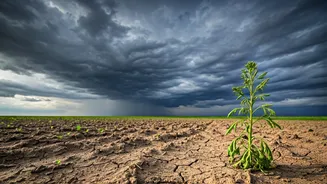
Meteorological Organization (WMO) has warned of a rapid development of El Niño conditions, which historically are associated with weaker monsoons, droughts, and hotter weather in the Indian subcontinent. Forecasts for July 2026 already signal the potential for below-normal rainfall, following a June that saw a significant rainfall deficit, delaying the sowing of key summer crops.
The Double-Edged Sword for FMCG
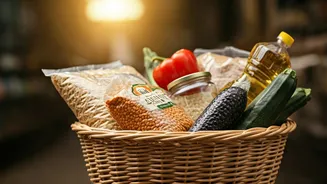
For the Fast-Moving Consumer Goods (FMCG) sector, a weak monsoon is a double-edged sword, hitting both supply-side costs and demand-side consumption. The primary and most immediate impact is on raw material prices. A significant portion of the Indian economy relies on agriculture, and poor rainfall directly affects the output of crops like sugarcane, wheat, oilseeds, and pulses — all key ingredients for a vast range of FMCG products from biscuits and beverages to packaged foods. A shortfall in production can lead to supply shortages and a spike in food inflation, squeezing the profit margins of companies.
The Critical Rural Demand Factor
The second, and arguably more significant, impact is on rural demand. Rural India is a critical growth engine for the FMCG sector, accounting for a substantial portion of sales for everyday items like soaps, detergents, and hair oils. Agricultural success is directly tied to rural income. A failed or weak monsoon reduces farm output, which in turn shrinks the disposable income available in rural households. This forces consumers in these price-sensitive markets to cut back on discretionary spending and even reduce the frequency of purchasing essential goods. Several companies have noted that rural demand, which was just beginning to recover, is now vulnerable to this new shock.
An Uneven and Complex Impact
Experts caution that the impact of El Niño is not uniform across the country or the sector. The effect depends heavily on the regional distribution of rainfall, existing reservoir levels, and government support measures. A drought in one region might coincide with floods in another. Furthermore, consumer behaviour can be contradictory. A hotter, drier summer might boost sales for categories like beverages, ice creams, and deodorants. However, overall inflation could also push urban consumers to tighten their belts, switch to cheaper alternatives, or opt for smaller, low-unit-price packs, a strategy companies use to maintain popular price points like ₹5 and ₹10 by reducing grammage.
Corporate Strategies and Cautious Optimism
FMCG companies are not sitting idle. Many are preparing to navigate the turbulence through a variety of strategies. These include hedging commodity prices, focusing on cost-saving initiatives, and optimising media spending to be more tactical and region-specific. Some firms, like Godrej Consumer Products and Marico, have acknowledged the El Niño risk but have also expressed confidence in their diversified portfolios and supply chains to manage the volatility. While the immediate quarterly reports from major players like Dabur show resilient growth, they all flag the impending weather pattern as a key variable to watch for the remainder of the financial year.