




The Atmosphere’s Dry Layer Isn't So Dry Anymore
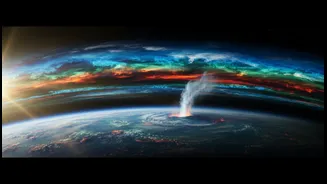
Think of the stratosphere as Earth’s protective sunscreen layer. Situated roughly 10 to 50 kilometres above us, it houses the ozone layer that shields us from harmful ultraviolet radiation. It is naturally very dry, which helps maintain a delicate chemical
and thermal balance. However, scientists have observed that this is changing. Recent studies show that since 2005, there has been a significant increase in stratospheric water vapor. Unlike the lower atmosphere, where water vapor is common, extra moisture in the stratosphere can have powerful and long-lasting effects on the planet's climate system. Water vapor is a potent greenhouse gas, meaning it traps heat. An increase in its concentration in the upper atmosphere can amplify warming, creating a feedback loop that further alters our climate.
When Wildfires Create Their Own Weather
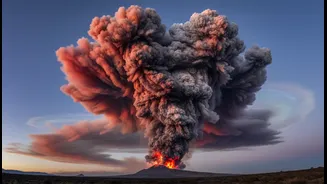
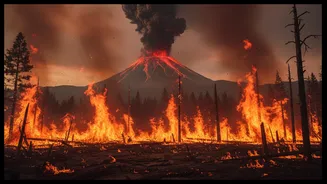
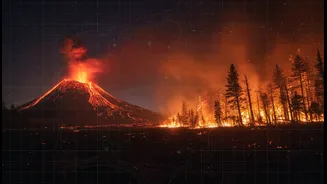
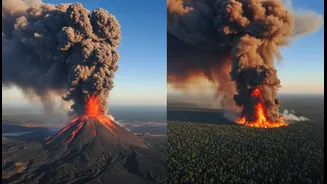
One of the key culprits behind this change is the increasing intensity and frequency of wildfires. The most extreme blazes can generate their own weather systems, including towering, smoke-infused thunderstorms known as pyrocumulonimbus clouds, or pyroCbs. These powerful fire-driven storms act like elevators, forcefully injecting smoke, ash, and vast quantities of water vapor directly into the normally placid stratosphere. Events like the 2019-2020 Australian bushfires and major North American wildfires have been shown to cause stratospheric disturbances comparable to moderate volcanic eruptions. These injections not only add moisture but also dark, heat-absorbing smoke particles, which can warm the stratosphere and alter its chemistry in ways scientists are just beginning to fully understand.
The Volcanic Steam Engine Effect
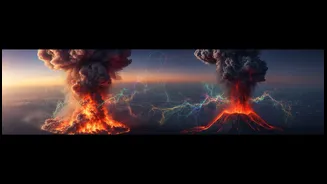
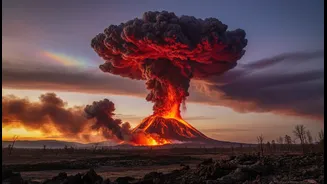
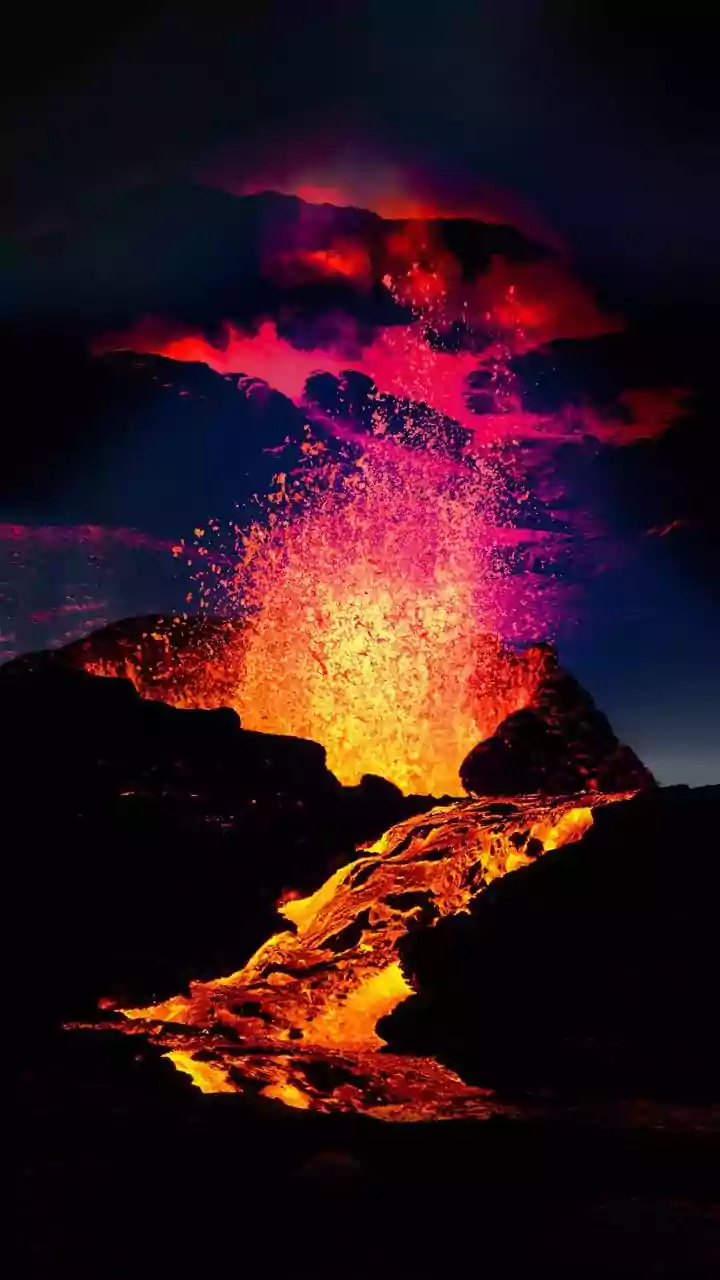
Volcanoes have always been a major force in atmospheric changes, but their impact is typically associated with a cooling effect from sulfur aerosols reflecting sunlight. However, the January 2022 eruption of the Hunga Tonga-Hunga Ha'apai underwater volcano provided a dramatic exception. It blasted an unprecedented amount of water vapor—enough to fill over 58,000 Olympic-sized swimming pools—directly into the stratosphere. This event increased the total water content of the stratosphere by about 10%. Because the eruption was underwater, it ejected far more water than sulfur. This massive influx of water vapor, a heat-trapping gas, has led to intense scientific debate about its net effect, with some studies suggesting a temporary warming potential that could linger for years, while others argue the cooling effect of its aerosols was dominant.
Ripple Effects: Radiation, Chemistry, and Ozone
The introduction of excess water into the stratosphere has three major consequences. First, it affects Earth's radiation balance. As a greenhouse gas, water vapor traps outgoing heat, contributing to surface warming. Second, it alters stratospheric chemistry. More water vapor can lead to the formation of more polar stratospheric clouds, which provide surfaces for chemical reactions that destroy ozone. This could potentially delay the recovery of the Antarctic ozone hole. Studies following the Hunga Tonga eruption showed a rapid decrease in ozone concentrations in areas with the highest water vapor levels. Third, these changes create complex climate feedbacks. For instance, a warmer stratosphere from smoke particles or a cooler one from chemical changes can alter atmospheric circulation patterns, with far-reaching consequences.