
The Minimalist Misconception
At its core, minimalism is about intentionality, not emptiness. The goal is to create a serene environment by removing visual clutter, allowing architecture and a few carefully chosen items to shine. However, when every surface is flat, smooth, and uniform,
a room can lack depth and personality, leading to the clinical feeling many people associate with the style. The true art of minimalism lies in making 'less' feel like 'more' through thoughtful choices. This is where texture comes in, shifting the focus from simply looking at a space to truly experiencing it.
The Psychology of a Tactile Home
Humans are sensory beings, and our sense of touch is deeply connected to our feelings of comfort and safety. When we see or feel varied textures—the softness of wool, the grain of wood, the coolness of stone—it triggers an emotional response. Soft, natural textures can even encourage the brain to release oxytocin, a hormone that promotes calm and connection. In a world of smooth screens and digital noise, incorporating organic and tactile surfaces into our homes helps ground us, making a space feel like a sanctuary. Texture adds a human touch that smooth, manufactured surfaces often lack.
Building a Textured Foundation
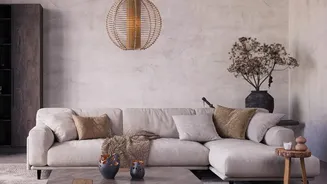
Adding warmth begins with the largest surfaces in a room. Instead of flat white paint, consider finishes like limewash or a subtle textured plaster to give walls a soft, dynamic quality. These treatments catch the light in different ways throughout the day, adding movement and character. Flooring is another key opportunity. A natural wood floor with a visible grain, a large jute or wool rug, or even stone tiles provide an earthy base that immediately warms up a space. These foundational textures create a welcoming canvas before a single piece of furniture is added.
Layering with Soft Textiles
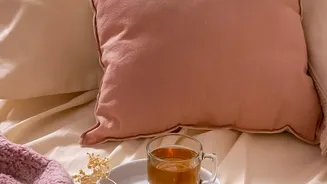
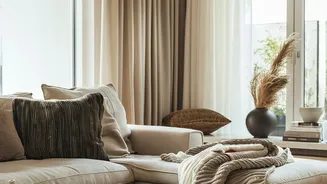
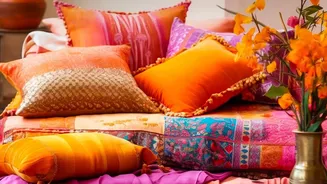
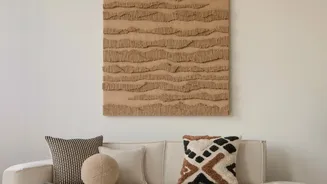
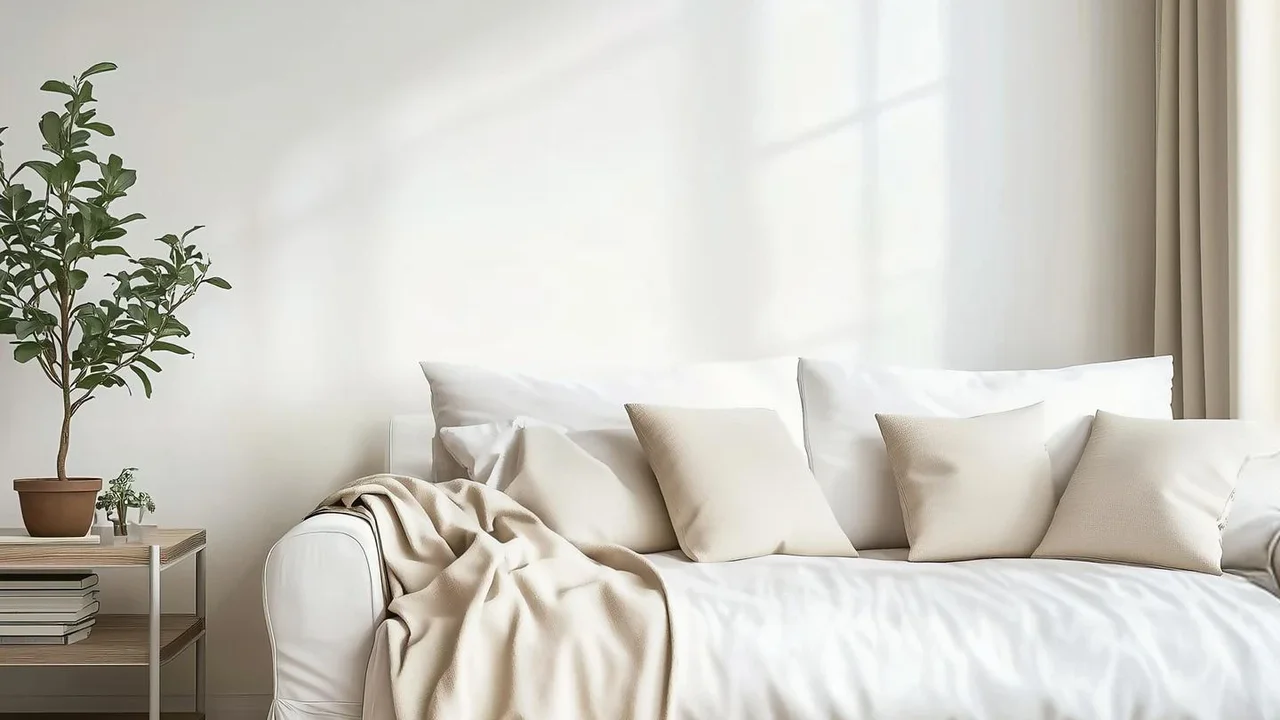
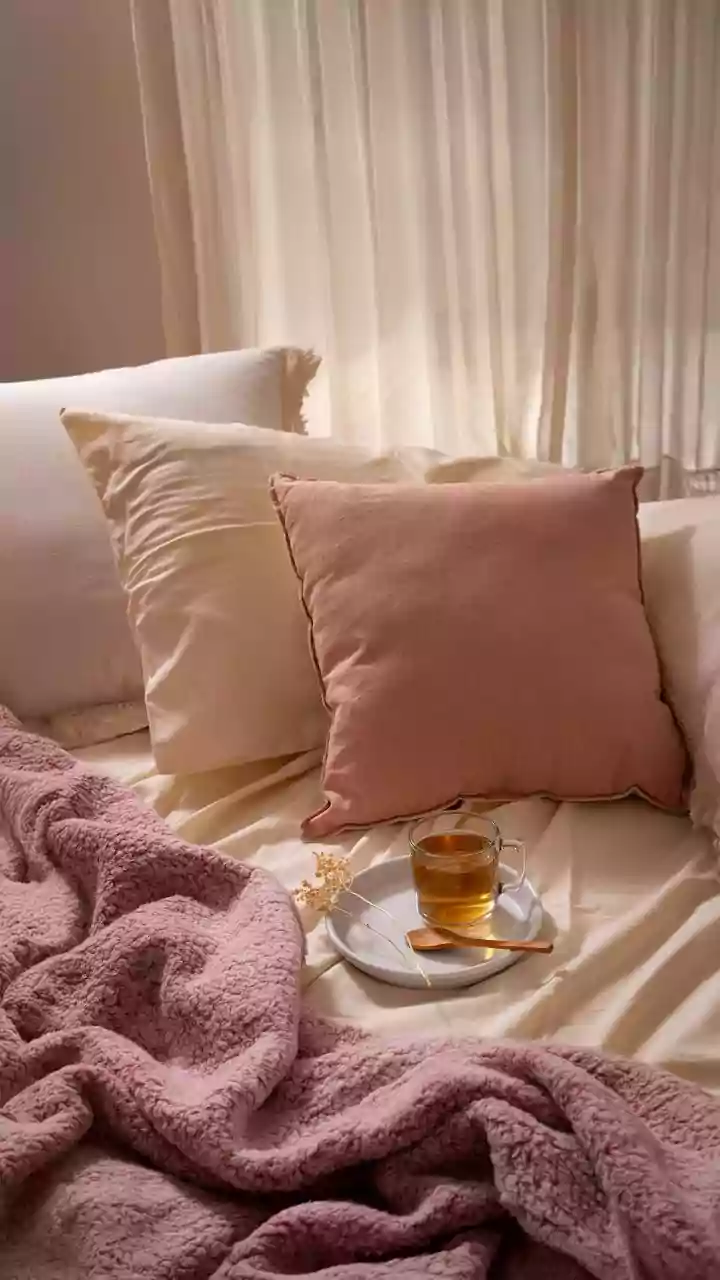
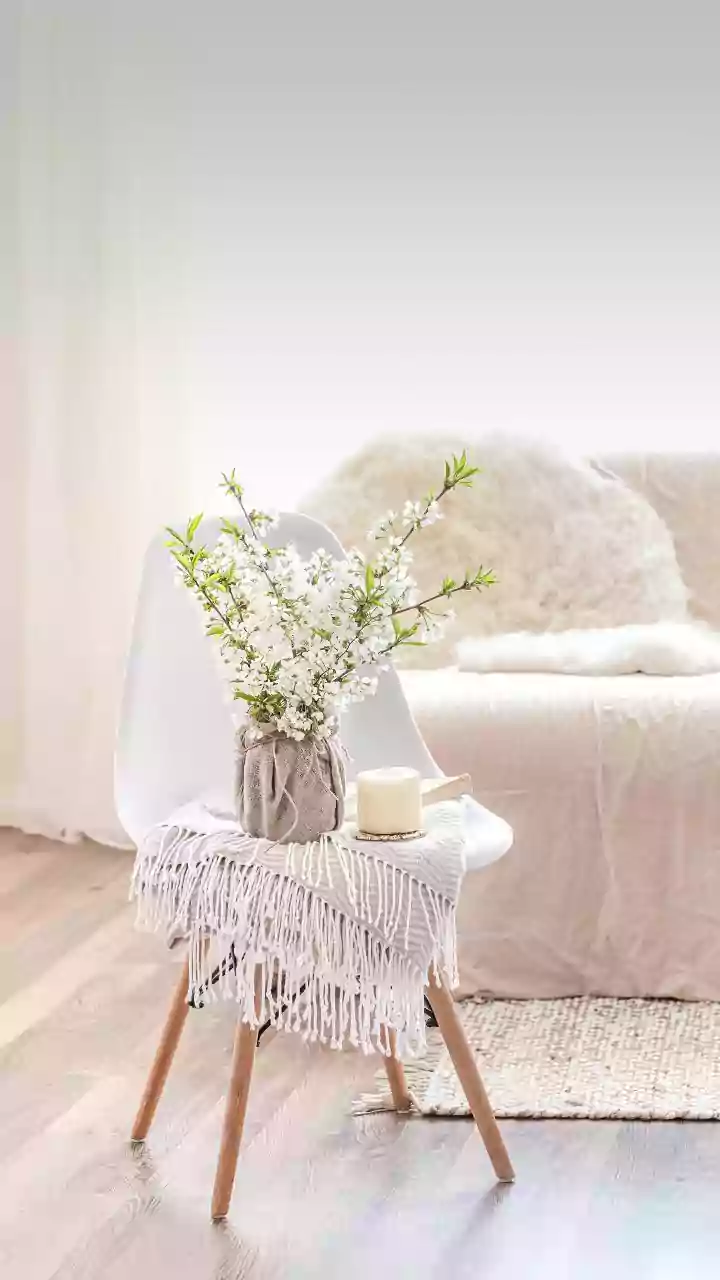
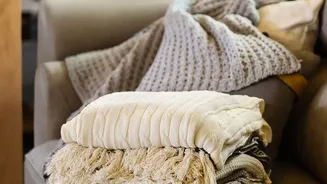
Textiles are the easiest and most effective way to introduce tactile comfort. A chunky knit throw draped over a clean-lined sofa, a set of linen curtains that diffuse light softly, or a mix of cushions in different materials like bouclé, velvet, and cotton can transform a room. The key is to play with contrast. Pair a sleek leather chair with a soft sheepskin throw, or a smooth wooden bench with plush velvet cushions. This interplay between hard and soft surfaces creates a balanced and inviting environment. Sticking to a neutral colour palette allows the different textures to provide visual interest without creating clutter.
Embracing Natural and Organic Elements
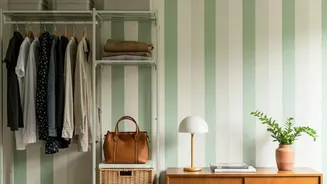
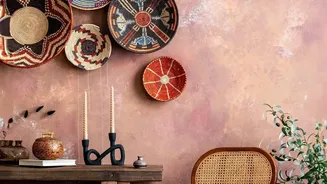
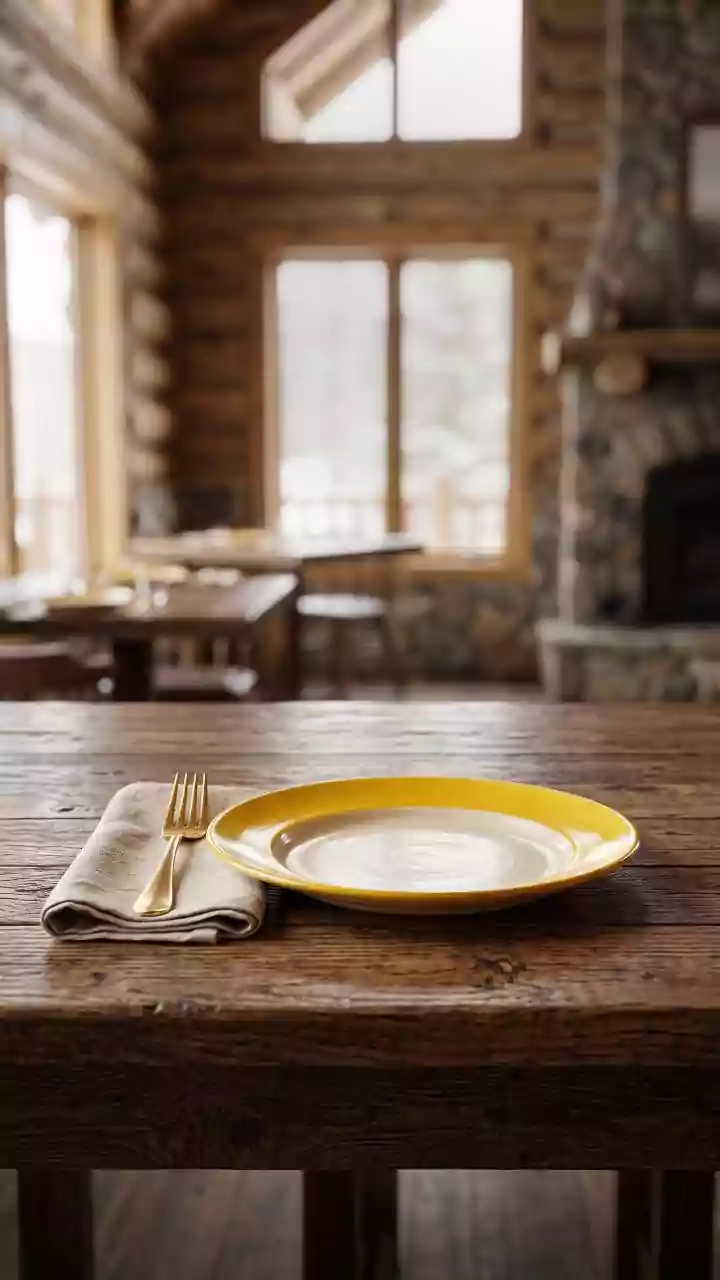
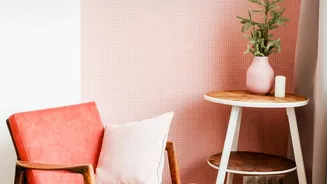
Bringing the outdoors in is a powerful way to add warmth and life. Materials like wood, rattan, stone, and clay introduce an organic quality that counters the rigidity of modern lines. This can be as simple as a woven basket for storage, a ceramic vase with a matte finish, or a wooden coffee table. Even small touches, like a stone countertop or a mirror framed in woven rattan, contribute to the layered feel. Plants are also essential, acting as living sculptures that add organic shapes and a touch of green to soften any room.
Finishing with Light and Detail
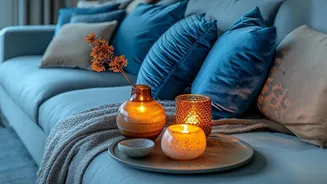
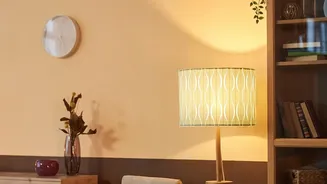
The final layers are often the most personal. Don't overlook the texture of smaller objects. A stack of books, a piece of art with visible brushstrokes, or a hand-thrown ceramic bowl can add subtle but significant character. Lighting also plays a crucial role in highlighting texture. Instead of harsh overhead lights, use layered lighting from lamps and sconces to create a soft glow. This warm light will cast gentle shadows, emphasizing the different surfaces and making the room feel dynamic and intimate.