
The Danger of Different Timelines
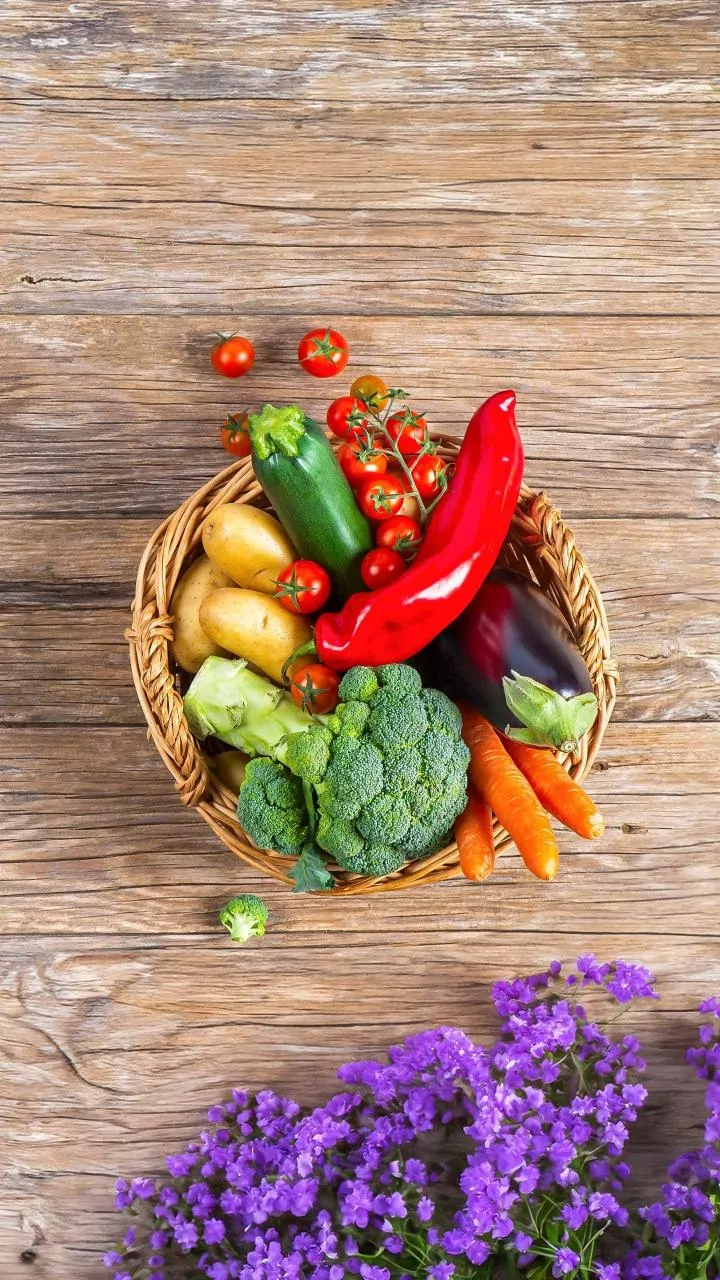
When you mix fresh ingredients with older, cooked leftovers, you’re creating a dish with a misleading shelf life. The entire mixture is only as safe as its oldest component. If your cooked chicken is three days old, adding fresh broccoli doesn't reset
the clock. The new, combined dish is still on its third day, and bacteria that may have been multiplying slowly in the older food now have a fresh source of nutrients to feast on. Any germs present in the older food can easily spread to the new additions, a process known as cross-contamination. This means the entire batch could become unsafe much faster than you think.
Cross-Contamination: Cooked Meets Raw
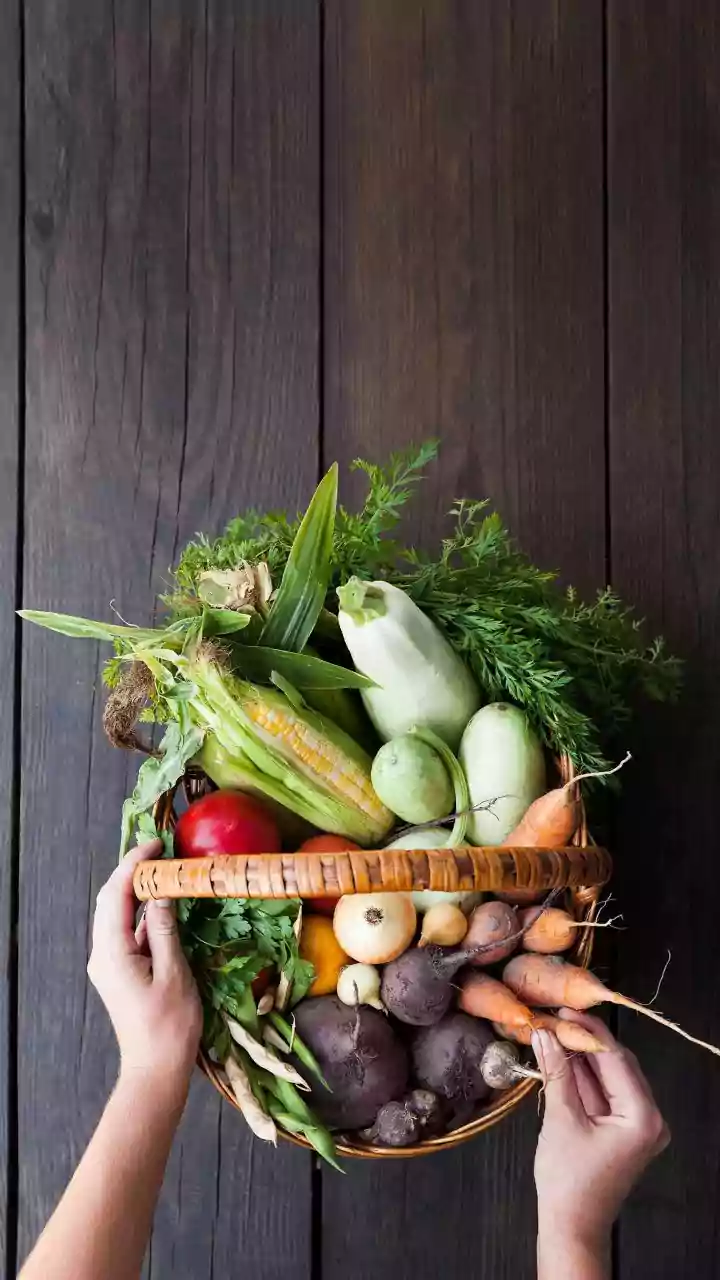
The risk is even greater when you add raw ingredients to cooked food for storage. Raw foods, especially meat, poultry, and even unwashed vegetables, can carry harmful bacteria like Salmonella, E. coli, or Listeria. Cooking kills these bacteria, making the food safe to eat. However, when you introduce raw items into a cooked dish that won't be immediately reheated to a high temperature, you are essentially re-contaminating it. For example, tossing raw chopped onions or fresh herbs into a container of cooked chili introduces moisture and potential bacteria, creating a perfect environment for microbial growth in the refrigerator.
The Temperature Danger Zone
A key principle of food safety is keeping food out of the 'danger zone'—the temperature range between 40°F (4°C) and 140°F (60°C), where bacteria multiply rapidly. When you add fresh, room-temperature or cold ingredients to already chilled leftovers, you can raise the overall temperature of the mixture, potentially bringing it into this danger zone. Even if the container goes right back into the fridge, it will take longer to cool down, giving bacteria more time to grow. The goal is to cool leftovers as quickly as possible to minimize this risk. Adding new ingredients works against this principle.
The Right Way to Handle Leftovers
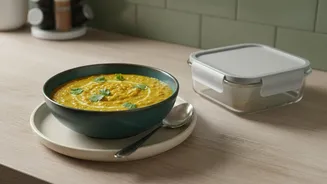
To keep your food safe and still make the most of your leftovers, it’s best to keep components separate until you’re ready to reheat and eat. Store old leftovers and fresh ingredients in different airtight containers. When it’s time for your meal, you can combine them and heat everything thoroughly. The safe internal temperature for reheating leftovers is 165°F (74°C), which is hot enough to kill most harmful bacteria. It’s also wise to use leftovers within three to four days or freeze them for longer storage. Remember that bacteria don't always change the look, smell, or taste of food, so you can't rely on your senses to tell if something is safe.
Combining for Immediate Consumption
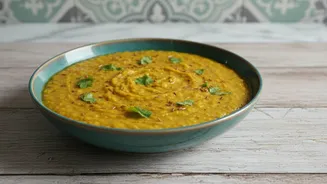
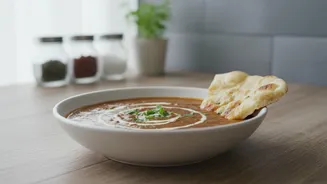
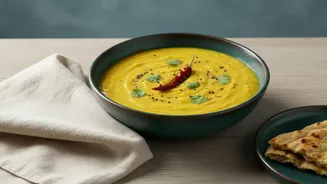
There is one exception to this rule: if you are mixing fresh and leftover ingredients to be eaten immediately. For instance, adding leftover grilled chicken to a fresh salad or stirring fresh herbs into a soup just before serving is perfectly safe. The key distinction is that you are not storing the combined foods. The risk comes from letting the mixed items sit together for hours or days in the refrigerator, which provides the opportunity for bacteria to transfer and multiply. When you combine and eat right away, you bypass this dangerous waiting period.