



The Rise of Sustainable Sanctuaries
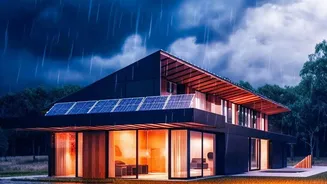
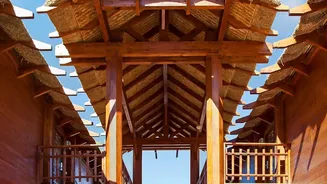
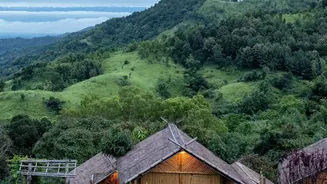
Wayanad's lush rainforests and rich biodiversity make it a prime location for eco-tourism. A growing number of resorts are moving beyond mere aesthetics, embedding sustainability into their very core. This means using natural and locally sourced materials
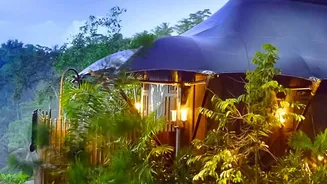
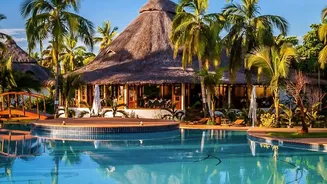
like bamboo for construction, implementing rainwater harvesting, relying on solar power, and practicing responsible waste management. These quiet efforts offer a more genuine connection to the environment than loud promises. Opting for an eco-resort is a choice to support a model that minimizes environmental impact while promoting local culture and offering an immersive stay in nature. Many of these properties are built on sprawling plantations, ensuring that the vast majority of the land remains wild and untouched.
Vythiri Resort: A Rainforest Hideaway
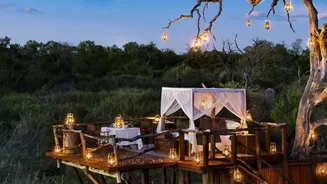
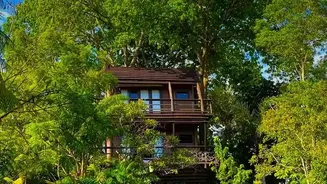
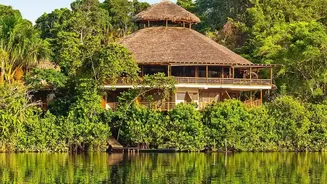
Vythiri Resort is a name often synonymous with the quintessential Wayanad rainforest experience. This eco-friendly hideaway, established in 1994, is set within a 150-acre coffee and pepper plantation adjoining a lush tropical rainforest. Its treehouses are a major attraction, built by indigenous artisans using locally sourced bamboo and other natural materials. Perched high above the canopy, these rustic-themed accommodations offer breathtaking views and an intimate connection with the forest. The resort's commitment to sustainability is evident in its design, which channels natural spring water using gravity, thus avoiding the need for electric pumps. For guests, the experience is about disconnecting from urban life and tuning into the sounds of the jungle, from the gurgling streams to the morning calls of the Malabar Whistling Thrush.
Tranquil Resort: Plantation Living at its Finest
Set on a massive 400-acre coffee and spice plantation, Tranquil Resort offers an award-winning homestay experience that has evolved into a premier eco-resort. With only a tiny fraction of the estate built upon, the focus is squarely on preserving the natural landscape. The resort features luxurious treehouse suites, including the 'Tranquilitree', which is nestled in a majestic Gul Mohar tree 35 feet above the ground. Sustainability here is structural, not just cosmetic. Over 95% of hot water is generated using biomass boilers, cooking is partly fuelled by biogas from kitchen waste, and the drinking water is sourced from natural springs on the estate. This deep integration of eco-friendly practices provides a stay that is both luxurious and genuinely in harmony with its surroundings.
Green Magic Nature Resort: High in the Canopy
For the adventurous traveller, Green Magic Nature Resort offers one of the most unique treehouse experiences in Wayanad. This resort is famous for its treehouses perched at a staggering height of 86 feet, accessible by an indigenous cane lift. Designed and built by local craftsmen using traditional techniques and materials, these eco-lodges offer a true escape into the wild. The resort is nestled within a tropical rainforest, surrounded by pepper and cardamom plantations, offering a rich biodiversity of flora and fauna. The commitment to nature extends to its kitchen, which serves traditional Kerala delicacies made from vegetables and fruits grown on its own organic farm. A stay here is not just about the height; it's about experiencing a way of life that is deeply connected to the forest.
Uravu and Bamboo Grove: Community and Craft
Some Wayanad stays focus on the powerful combination of eco-tourism and community empowerment. Uravu Mountain Grove, located near the Thrikkaipetta Bamboo Village, is a community tourism project where buildings are designed by local artisans using locally sourced materials. The entire experience is centred around involving guests in local life, from trying a hand at yoga to learning cooking from residents. Similarly, Bamboo Grove Resort offers a cozy retreat amidst a cluster of bamboo trees, featuring cottages made by the Kurichiya tribes, who were legendary bowmen in the army of Pazhassi Raja. These resorts demonstrate how sustainable tourism can directly support and preserve local culture and heritage, making a vacation a more meaningful exchange.