






A New National Space Strategy
The change is not one single initiative but a comprehensive national strategy to democratise space. At its core is the Indian National Space Promotion and Authorisation Centre (IN-SPACe), established in 2020. This body acts as a single-window agency to facilitate
and authorise the activities of the private sector in space. The landmark Indian Space Policy of 2023 further cemented this shift. It clearly defines roles, encouraging private companies to take over routine operations like satellite manufacturing and launches. This frees up the Indian Space Research Organisation (ISRO) to focus on what it does best: advanced research and development, deep space exploration, and national security missions. The goal is to move from a model where ISRO does everything, to one where ISRO enables everyone.
Beyond Bengaluru and Sriharikota
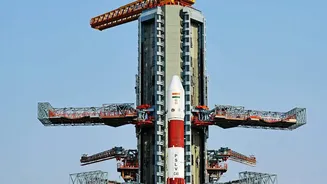
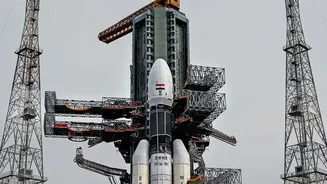
Historically, India’s space efforts were concentrated in a handful of cities: Bengaluru for satellite design, Thiruvananthapuram for launch vehicle development, and Sriharikota for launches. While these centres built a world-class programme, they also created a geographic concentration of talent and resources. The new policy aims to dismantle this centralisation. One of the most tangible examples is the development of a second spaceport in Kulasekarapattinam, Tamil Nadu. This new facility is specifically designed to cater to the burgeoning market for small satellite launches, an area where private players and startups are expected to dominate. By creating new infrastructure, the government is signalling that the future of Indian space is not confined to its legacy locations but is open to every corner of the nation.
Empowering the Next Generation
A crucial part of widening participation is nurturing talent from the ground up. ISRO, in collaboration with IN-SPACe, has rolled out several programmes aimed at students and academic institutions. The Student Satellite Programme encourages universities, including those in tier-2 and tier-3 cities, to design and build their own satellites with mentorship and launch support from ISRO. As of early 2026, 11 such student-built satellites have already been launched. Furthermore, a network of Space Technology Incubation Centres (STICs) is being established across the country to foster direct collaboration between university researchers and ISRO scientists. Initiatives like 'Space on Wheels', a mobile exhibition, bring the excitement of space science to schools in remote areas, inspiring future generations.
The Rise of the Private Ecosystem
The reforms are already bearing fruit. India's space startup ecosystem has grown from just one in 2020 to over 400, with some estimates higher. These companies are not just suppliers to ISRO anymore; they are building their own rockets, satellites, and applications. The successful orbital launch of the Vikram-1 rocket by Skyroot Aerospace, a company founded by former ISRO scientists, was a watershed moment. It proved that private Indian firms have the capability to develop and launch complex space hardware independently. With dedicated venture capital funds and support mechanisms like the Space Enterprise Encouragement & Development (SEED) programme, the government is actively creating an environment where these startups can thrive.
Challenges on the New Frontier
This transition is not without its challenges. Moving from a tightly controlled, state-run model to a distributed, public-private partnership requires a significant cultural shift. Ensuring consistent quality control across a wide network of new suppliers is a major task. There is also a 'brain drain' of a different sort, with experienced ISRO scientists moving to the booming private sector, which creates both a challenge for ISRO's internal projects and a benefit for the overall ecosystem. Managing this talent migration while building a robust regulatory framework that encourages innovation without compromising safety will be key to the long-term success of this ambitious national endeavour.