



What Defines an Earthy Interior?
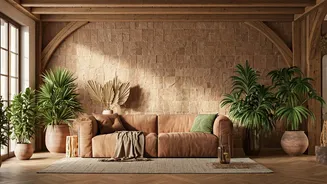
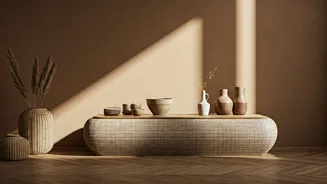
At its core, the earthy interior trend is a celebration of the raw, the imperfect, and the authentic. It steps back from the cold precision of minimalism and the ostentatious glamour of maximalism. Instead, it finds beauty in natural materials and textures.
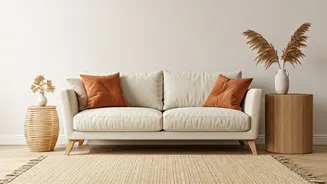
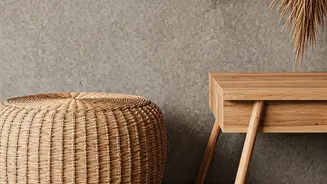
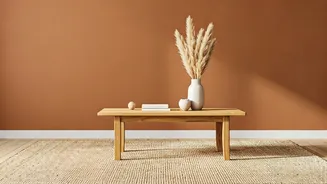
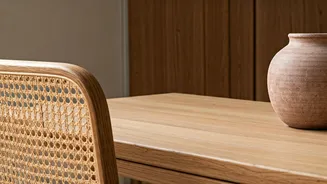
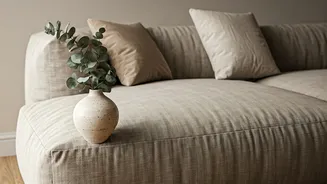
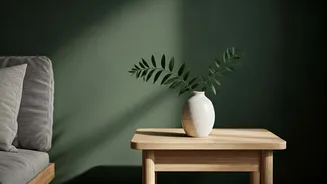
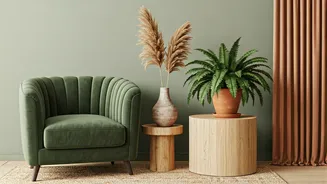
Think furniture made from reclaimed wood with its grain and knots visible, sofas upholstered in breathable linen or cotton, and floors adorned with jute or sisal rugs. The colour palette is drawn directly from nature: warm terracotta, sandy beige, deep forest green, and muted stone greys replace stark whites and loud jewel tones. This aesthetic is less about a perfectly curated, untouchable space and more about creating a home that feels lived-in, breathable, and deeply comforting. It prioritises tactile sensations—the roughness of a clay pot, the softness of a woollen throw, the coolness of a stone countertop—over purely visual perfection.
The Psychology of Grounded Living
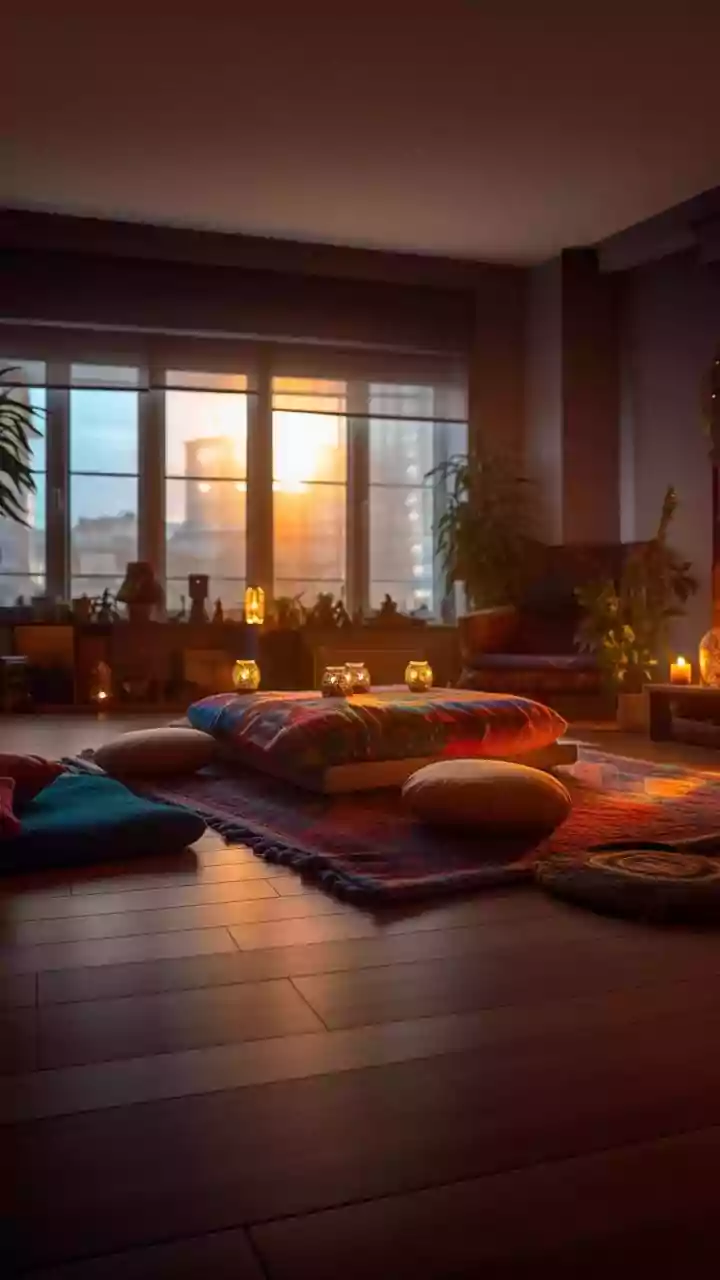
So, why this shift now? The move towards earthy interiors is more than just an aesthetic choice; it’s a response to our increasingly digital and fast-paced lives. After years of staring at sleek, glowing screens, there is a collective yearning for things we can touch and feel. This trend is deeply intertwined with the concept of 'biophilic design'—the idea that humans have an innate need to connect with nature. Incorporating natural elements into our homes has been shown to reduce stress, improve mood, and enhance creativity. In a post-pandemic world, our homes have become our sanctuaries more than ever before. We no longer just want a house that looks good on Instagram; we want a space that nurtures our mental and emotional health. The earthy interior provides a calming antidote to the chaos of the outside world, creating a personal retreat that feels safe and grounding.
A Return to Indian Roots
While 'earthy' may be a global trend, it resonates particularly strongly in India, where its principles are woven into the fabric of traditional architecture and design. This isn't a new concept for us; it’s a homecoming. The use of terracotta (ghadas and diyas), cane and bamboo furniture (moodas and charpoys), handloom textiles like khadi and cotton, and lime-washed walls (chuna) has been a part of Indian homes for centuries. What's new is the reframing of these humble, sustainable materials as 'luxury.' In urban India, this trend represents a conscious choice to embrace a slower, more mindful way of living. It’s about valuing the skill of the local artisan who crafts a wooden bench over a mass-produced factory item. It’s a nod to our heritage, updated for the modern home, proving that true luxury lies in authenticity and craftsmanship, not just in a high price tag.
Simple Ways to Embrace the Trend
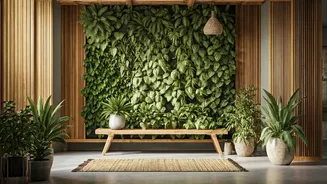
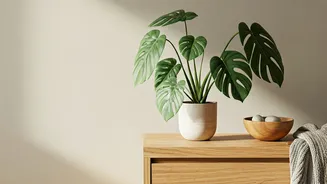
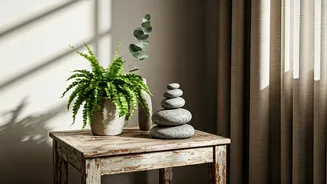
You don't need a complete home overhaul to invite this sense of earthy calm into your life. Small, intentional changes can make a big impact. Start with textiles: swap out synthetic curtains for simple, unbleached cotton or linen ones that allow soft, diffused light to filter through. Introduce natural fibres through rugs, cushions, and throws. Jute, wool, and cotton add immediate warmth and texture. Plants are another non-negotiable element. From a large fiddle-leaf fig in a corner to a collection of succulents on a windowsill, greenery purifies the air and instantly connects your space to the outdoors. Finally, embrace imperfection. Choose handmade ceramics over perfectly uniform dinnerware. Let your wooden furniture show signs of age and use. This philosophy, inspired by the Japanese concept of wabi-sabi, finds beauty in the imperfect and transient nature of things, creating a home that is as unique as you are.