





Prioritise Ventilation
The simplest way to combat humidity is to ensure good airflow. Whenever it’s not raining, open windows and doors to allow for cross-ventilation. This helps push out moist, stale air and brings in fresh, drier air. Even a few minutes of ventilation a day
can make a significant difference in reducing indoor humidity levels and preventing that stuffy, damp feeling. In high-moisture areas like bathrooms and kitchens, always use an exhaust fan to pull steam and moisture outside.
Use Natural Dehumidifiers
You don't always need an electric dehumidifier to absorb excess moisture. Several common household items work wonders. Placing bowls of rock salt or baking soda in corners, cupboards, and other damp-prone areas can effectively absorb moisture from the air. Activated charcoal is another excellent option; not only does it absorb moisture, but it also helps neutralise musty odours. You can place small bags of charcoal powder or a few pieces in closets and cabinets. These natural solutions are affordable and easy to replace when they become saturated.
Protect Your Wardrobes
Wardrobes are a common victim of monsoon dampness, leading to mould on clothes and a persistent musty smell. To combat this, ensure clothes are completely dry before storing them. Place moisture absorbers like silica gel packets, which often come with new shoes and bags, inside your cupboards. Camphor balls or dried neem leaves are traditional Indian solutions that not only absorb moisture but also act as a natural insect repellent. Lining shelves with newspaper is another easy trick, as the paper absorbs excess moisture and can be changed periodically.
Mind the Walls and Furniture
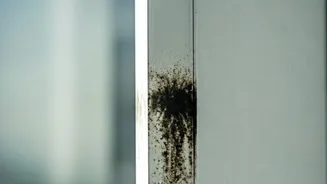
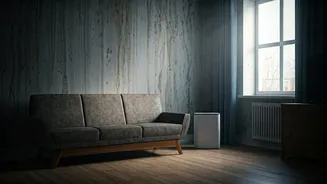
Keep furniture, especially wooden pieces, a few inches away from the walls. This allows air to circulate behind them and prevents moisture from getting trapped, which can damage both the wall and the furniture. During the rainy season, moisture is wood's biggest enemy. Applying a coat of lacquer or varnish can create a protective barrier on your wooden furniture. If you notice any signs of dampness on walls, such as peeling paint or dark patches, address it immediately to prevent mould growth.
Manage Water at the Source
Prevention is key to a dry home. Before the monsoon arrives, inspect your home for any cracks in the walls or roof and get them repaired. Ensure that your gutters and drains are clean and free of debris to prevent water from overflowing and seeping into your home's foundation. Inside, use highly absorbent doormats at entrances to trap mud and water from shoes. Wiping down the bathroom floor and walls after a shower can also significantly reduce the amount of moisture lingering in the air.
Harness the Power of Sunlight
Sunlight is a natural disinfectant and an effective tool against dampness. Whenever the sun makes an appearance, open up your curtains and let the light pour in. It helps to dry out any lingering moisture and can kill mould spores. If you have rugs or carpets, letting them dry in the sun periodically helps to keep them fresh and free from musty smells. Swapping heavy, dark curtains for lighter, sheer ones can also help maximise the amount of sunlight that enters your home.
Consider Strategic Plant Placement
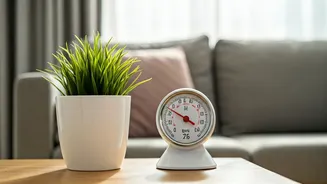
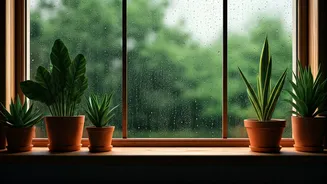
While having too many indoor plants can sometimes increase humidity, certain types of plants are known to absorb moisture from the air. Houseplants like Peace Lilies and Spider Plants can help reduce ambient humidity through their leaves. Placing a few of these in humid areas of your home can be a green and beautiful way to help manage moisture levels. However, be careful not to overwater them, as this can counteract their dehumidifying effect.