







Lesson 1: Profitability Drives Expansion
The initial promise of quick commerce was built on delivering daily essentials like milk, bread, and vegetables. While this captured consumer attention, the low-margin nature of groceries makes it a difficult business to sustain. The move into categories
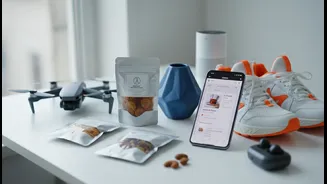
such as electronics, beauty products, fashion, and personal care is a direct response to this challenge. These higher-value items significantly increase the Average Order Value (AOV), a critical metric for profitability. While a grocery order might hover around a few hundred rupees, adding a single electronic gadget or a piece of branded clothing can double or triple that value. This shift shows that for instant delivery to be viable long-term, it must move beyond low-margin essentials and find ways to sell more profitable goods.
Lesson 2: Logistics Must Evolve
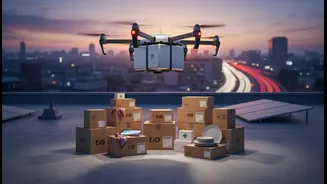
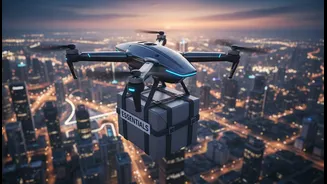
Delivering an ice cream before it melts is one challenge; delivering a smartphone is another. The expansion into new categories is forcing a complete rethink of the 'dark store' model. These micro-warehouses, initially designed for a limited range of fast-moving consumer goods, are transforming into sophisticated, hyperlocal fulfillment centers. Some platforms are now launching larger 'megapods' that can house up to 50,000 different products, a massive increase from the few thousand in a typical dark store. This requires advanced inventory management, as well as new processes for handling high-value, fragile, and variable-sized items. The logistical lesson is that one size does not fit all; the supply chain must become more flexible and specialized to handle a diverse product catalogue.
Lesson 3: Speed Is Not the Only Factor
The initial marketing blitz for quick commerce was all about the '10-minute delivery' promise. However, as the model matures, it's becoming clear that while speed is important, it's not the only thing consumers care about. The real prize is convenience and assortment. By offering a wider range of products, from chargers and headphones to t-shirts and makeup, these platforms are moving from being an emergency service to a comprehensive retail channel. Companies are discovering that customers are willing to wait slightly longer—say, 30 to 60 minutes—for access to a much larger selection of goods. This suggests the future of instant delivery lies in finding the right balance between speed, product availability, and a reliable user experience.
Lesson 4: Consumer Habits Are Being Rewritten
The ability to get almost anything delivered in under an hour is fundamentally changing how people shop. Quick commerce is no longer just for distress purchases, like running out of onions mid-cooking. It's becoming a go-to for planned purchases, impulse buys, and last-minute gifting. This shift is creating new moments of consumption. For example, someone ordering dinner might be prompted to add a dessert or a new snack to their cart. This expansion is creating a new form of retail that blends the instant gratification of a physical store with the convenience of e-commerce, effectively training a generation of consumers to expect everything on-demand.
Lesson 5: New Challenges Will Emerge
Expanding beyond standardized groceries introduces a new set of complex challenges. One of the biggest is managing returns. While returning a bag of chips is rare, returns are a standard part of fashion and electronics retail. Building an efficient reverse logistics system that can handle instant returns is a major hurdle. Furthermore, ensuring the quality and authenticity of high-value products requires stringent checks that are harder to implement in a decentralized dark store network. There are also concerns about the immense pressure on delivery workers to meet tight deadlines while handling more valuable cargo. These operational and ethical challenges must be addressed for the model to be truly sustainable.