





More Than Just a Box
For decades, the primary concerns when choosing a lunchbox were size, durability, and maybe which cartoon character was on the front. But a growing awareness of food safety and material health has shifted the conversation. The central challenge has always
been keeping food safe in the hours between packing it in the morning and eating it at noon. Now, scientists and designers are collaborating to solve this problem, transforming the lunchbox from a passive container into an active tool for food preservation.
The Temperature Danger Zone
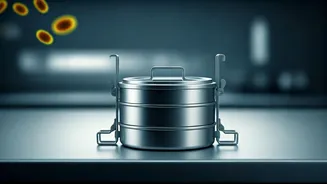
The core issue food science aims to solve is the “temperature danger zone.” According to food safety experts, harmful bacteria can multiply rapidly at temperatures between 4°C and 60°C. A packed lunch, often stored in a locker or cubby, can easily enter this zone. Studies have shown alarming levels of bacteria in school lunches that lack proper temperature control. One study found that lunches with an ice brick had three times lower levels of bacteria than those stored at ambient temperature. The solution lies in better insulation and active temperature management. Modern insulated bags and vacuum-sealed stainless steel containers are designed to keep cold foods cold and hot foods hot, far more effectively than old plastic boxes. Some even recommend preheating a thermos with boiling water before adding hot soup to ensure it stays above the danger zone until lunchtime.
Smarter, Safer Materials
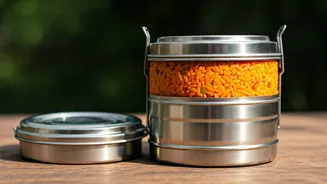
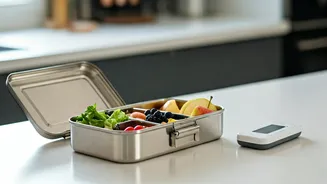
Beyond temperature, the materials a lunchbox is made from have become a major focus. Concerns over chemicals like BPA and phthalates in plastics have led to a surge in demand for non-toxic alternatives. Food-grade stainless steel is now widely considered one of the safest and most durable options, as it is non-leaching, rust-resistant, and doesn't hold onto odors or stains. High-quality food-grade silicone is another popular choice, often used for its flexibility and ability to create leak-proof seals. Some manufacturers are taking material science a step further by embedding antimicrobial technology into their containers. Using agents like silver ions, these surfaces can resist the growth of odor-causing bacteria, keeping the container itself cleaner over its lifetime. It's important to note this technology inhibits bacterial growth on the product's surface, but doesn't protect the user from foodborne bacteria if the food itself is contaminated.
The Rise of the Smart Lunchbox
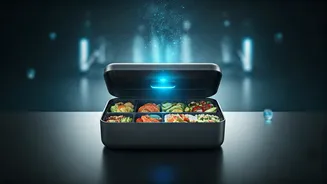
The latest frontier in lunchbox innovation is the integration of technology. The 'smart lunchbox' is no longer science fiction. New products entering the market feature rechargeable batteries and built-in heating elements. These devices can actively heat a meal at a pre-programmed time, ensuring it's perfectly warm when lunchtime arrives, without the need for a microwave. Some connect to smartphone apps via Bluetooth, allowing for remote temperature control and scheduling. It's a fundamental shift from passive insulation to active temperature management, aiming to solve the cold-lunch problem once and for all. While still a premium category, the technology is rapidly evolving, with features like cordless heating, smart timers, and even cooling systems becoming available.