


Opt for a Homestay, Not a Hotel
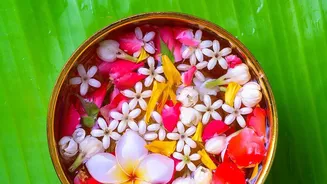
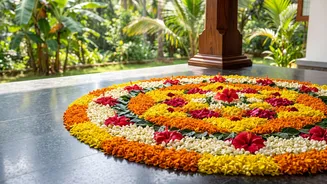
While hotels offer convenience, a traditional homestay offers immersion. Onam is a homecoming season, and staying with a local family allows you to become part of the celebration, not just an observer. You’ll wake up to the sight of a fresh ‘Pookalam’
(floral carpet) being laid in the courtyard and the aroma of a special breakfast. Many homestays invite guests to participate in creating the Pookalam, a beautiful, collaborative tradition that grows more complex each day. Booking a stay in a village or a heritage ‘tharavadu’ (ancestral home) offers an unparalleled glimpse into the daily rituals and rhythms of the festival. These stays often culminate in a lovingly prepared Onam ‘Sadya’ (feast), a culinary experience that is far more authentic than any restaurant version.
Seek Out Village-Level Folk Arts
The famous Pulikali (tiger dance) in Thrissur is a massive spectacle, but smaller, more intimate folk performances happen in villages across the state. Look for ‘Kummattikali,’ a colourful mask-dance where performers clad in grass and wooden masks go from house to house, especially in the Thrissur and Palakkad regions. In North Malabar, you might witness the silent, striking performance of ‘Onapottan,’ a character representing King Mahabali who visits homes to give blessings. Another tradition is ‘Onathallu,’ a mock-combat display of martial arts that’s more about skill than aggression, often seen in Palakkad and Thrissur after the Onam feast. These hyper-local events offer a raw and authentic cultural experience.
Find a Smaller, Community Boat Race
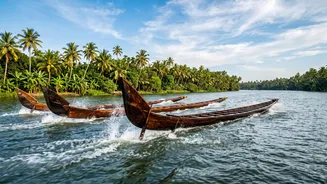
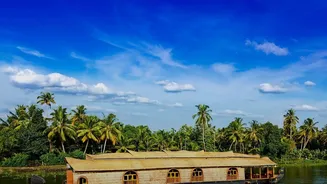
The Nehru Trophy Boat Race is a world-famous event, but it’s also a massive, ticketed affair. For a more local flavour, seek out smaller ‘Vallam Kali’ (boat races) held on quieter rivers and backwaters. Races like the Karuvatta Boat Race in Alappuzha or those on the Meenachil and Pampa rivers are deeply rooted in local pride and temple traditions. The Aranmula Valla Sadya, for instance, is less of a race and more of a ritual, where massive ‘Palliyodam’ boats arrive at the Aranmula Parthasarathy Temple, combining devotion with the spectacle. The atmosphere at these smaller events is less about tourism and more about community spirit, with entire villages lining the banks to cheer on their rowers.
Participate in Onam Games (Onakkalikal)
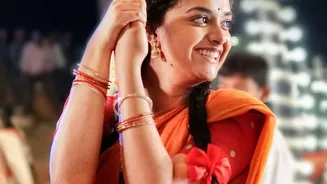
Onam is also a time for play. Beyond the grand cultural programs, communities engage in traditional games known as ‘Onakkalikal’. In village squares and family compounds, you’ll find spirited games of ‘Vadamvali’ (tug-of-war), a classic test of community strength. Other games include ‘Thalapanthukali’ (a game played with a ball), ‘Uriyadi’ (where a pot is broken), and the graceful circular dance of ‘Kaikottikali’ or ‘Thiruvathira Kali,’ performed by women in cream-and-gold sarees. Participating in or even just watching these games is a joyful way to connect with the festive spirit and share a laugh with locals. These simple activities are often the most memorable part of the celebration.
Experience a Home-Cooked Onam Sadya
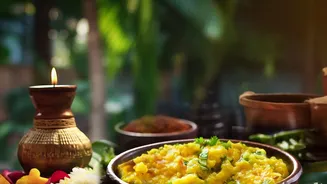
The Onam Sadya is the magnificent vegetarian feast that forms the centrepiece of Thiruvonam, the festival's main day. While many restaurants offer a version of the sadya, nothing compares to one prepared in a home. This elaborate meal, featuring up to 28 dishes served on a banana leaf, is a true labour of love. Key dishes include avial, thoran, sambar, and multiple kinds of payasam (sweet dessert). Staying at a homestay is the easiest way to secure an invitation to an authentic sadya. Alternatively, many local clubs and community centres host feasts. The experience is not just about the food; it's about the specific order of serving, the etiquette of eating, and the act of sharing a meal with the community.