




The Green Myth's Origin Story
The popular belief that houseplants are nature's air purifiers can be traced back to a landmark 1989 study by NASA. Facing the challenge of maintaining clean air in sealed space stations, researchers looked to plants for a solution. They placed common
houseplants in small, sealed chambers and introduced volatile organic compounds (VOCs)—chemicals like benzene and formaldehyde that are common in household products. The results were astonishing: some plants were able to remove a significant portion of these pollutants from the chamber. This 'Clean Air Study' became the foundation for decades of articles, books, and marketing that positioned houseplants as essential tools for a healthy home environment.
Why That Idea Has Wilted
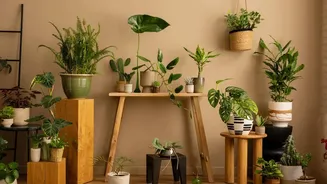
The problem is that our homes and offices are nothing like a sealed laboratory chamber. More recent analyses of this topic have highlighted the crucial context missing from the original NASA study: ventilation. Your home has a natural air exchange rate—air moves in and out through windows, doors, and tiny cracks. This constant circulation dilutes pollutants far more effectively and rapidly than a few plants ever could. A 2019 review of decades of research concluded that to match the air-cleaning effects of a building's standard ventilation, you would need an almost impossible number of plants—somewhere between 10 and 1,000 plants per square metre. That's a jungle, not a living room. In a normal, lived-in space, the impact of a handful of potted plants on VOC levels is considered negligible.
The Real, Proven Benefits of Plants
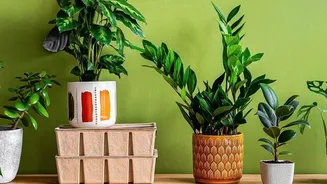
So, should you get rid of your leafy friends? Absolutely not. While they may not be the air-purifying powerhouses we thought, their benefits are real, just different. The strongest evidence for houseplants lies in their psychological impact. Numerous studies have shown that interacting with indoor plants can significantly reduce stress and anxiety. The simple act of caring for a plant—watering it, watching it grow—can lower levels of cortisol, the body's stress hormone. Being around greenery has been linked to improved mood, increased focus, and a greater sense of well-being and comfort. In essence, plants clean the air for our minds more than for our lungs.
How to Actually Get a Breath of Fresh Air
If you are seriously concerned about indoor air quality, there are far more effective strategies than buying a new ficus. The first and most important step is source control: reduce the number of pollutants you bring into your home. This can mean choosing low-VOC paints, furniture, and cleaning products. The second, and simplest, method is ventilation. Opening your windows for even a few minutes a day can dramatically improve air quality by flushing out stale, polluted indoor air and replacing it with fresh outdoor air. Using exhaust fans in your kitchen and bathroom also helps remove pollutants at their source. For those with allergies or specific health concerns, a high-quality air purifier with a HEPA filter is designed to remove particles and pollutants from the air with an efficiency that plants simply cannot match.