







Understanding the Current Weather
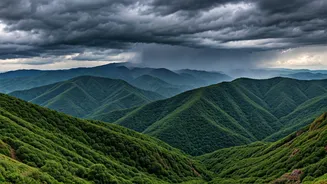
The southwest monsoon is advancing across North India, with the India Meteorological Department (IMD) forecasting widespread and heavy rainfall in key tourist states. States like Uttarakhand and Himachal Pradesh are expected to see intensified rainfall from
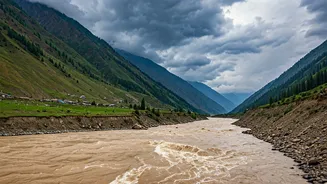
the end of June into early July. The IMD has issued alerts for heavy showers, thunderstorms, and gusty winds, particularly for hilly districts. These conditions elevate the risk of landslides, flash floods, and road blockages, making it crucial for travellers to stay informed about the weather in their specific destination, as conditions can vary dramatically even within the same state.
Pre-Trip Planning Essentials
Before you even pack your bags, responsible planning is your first line of defence. Start by closely monitoring the IMD's daily forecasts and any travel advisories issued by state disaster management authorities. When booking flights, trains, and hotels, opt for flexible or refundable options where possible, as sudden weather changes might force you to alter your plans. Travel insurance that covers trip cancellations or interruptions due to natural calamities is a wise investment. Also, inform a friend or family member of your detailed itinerary and establish regular check-in times. This ensures someone knows your whereabouts and can raise an alarm if you become unreachable.
Choosing Your Destination Wisely
Not all destinations in North India are equally affected by the monsoon. While high-altitude treks and regions known for landslides are best avoided, certain areas can still be enjoyed with caution. Consider destinations in the lower foothills or those with better road connectivity. For example, instead of venturing into remote valleys, a stay in a well-established hill station like Shimla or Mussoorie might be a safer bet, though even these areas require vigilance. Research your intended route thoroughly; some national highways, like the Mandi-Kullu stretch along the Beas river, are notoriously prone to blockages during heavy rain. Always have a backup plan or an alternative destination in mind.
Smart Packing for a Monsoon Trip
Your packing list for a monsoon trip to the mountains is different from a summer one. The priority is to stay dry, warm, and prepared. Essential items include a high-quality waterproof jacket and rain pants, along with sturdy, waterproof footwear with excellent grip. Pack quick-drying clothes made from synthetic fabrics rather than cotton. To protect your electronics and important documents, use waterproof bags or dry sacks. A reliable power bank is a must-have, as power cuts can be frequent during storms. Finally, a comprehensive first-aid kit, including any personal medications, bandages, antiseptic, and medicines for common ailments, should be in your bag.
On-the-Ground Safety Rules
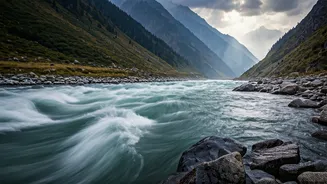
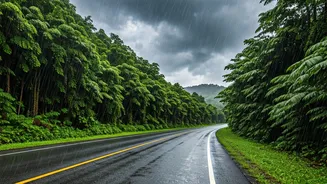
Once you've arrived, situational awareness is key. Avoid travelling at night or during active heavy downpours, when visibility is poor and the risk of landslides is highest. Before starting any road journey, check with local authorities, your hotel staff, or reliable local news sources for the latest road status. Never attempt to cross a road that is flooded or blocked by a landslide. It’s also crucial to avoid camping or lingering near riverbeds, as water levels can rise unexpectedly due to upstream rain or the opening of dam gates. Keep a list of emergency contact numbers, including the local police, district disaster management office, and your hotel.