






The Myth of a Single 'Perfect' Posture
The long-held belief in a single, universally 'correct' posture is increasingly being challenged by experts. The human body isn't designed to be held in one static position for hours, even a supposedly 'good' one. Research suggests there is no strong
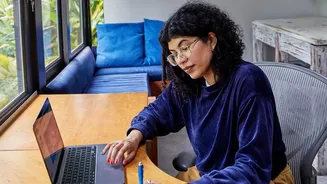
evidence for an optimal posture that prevents pain for everyone, as our bodies and spinal curvatures vary. In fact, trying to maintain a rigid, unmoving posture can lead to muscle fatigue, stiffness, and strain, as certain muscles remain constantly tensed while others are inactive. The idea that you must sit like a soldier at your desk is not only unrealistic but can be counterproductive to your overall well-being.
Your Best Posture Is Your Next Posture
The new consensus among ergonomists and physical therapists is simple: your best posture is your next posture. This philosophy champions dynamic movement over static positions. The body thrives on variety. Shifting your position frequently allows for different muscle groups to engage and relax, improves blood circulation, and prevents the buildup of pressure on your spine and joints. This concept is often called 'active' or 'dynamic' sitting, where small, frequent movements are encouraged. Think of it as providing your body with movement snacks throughout the day, preventing the stiffness that comes from staying still for too long.
How to Create a Movement-Friendly Space
You don't need a complete office overhaul to encourage more movement. Start by making small adjustments to your current setup. An adjustable chair that allows you to change your height and recline is a great starting point. Consider an adjustable standing desk, which allows you to easily switch between sitting and standing. If that’s not an option, find ways to create different levels. You could work from a high kitchen counter for a while, then move to a coffee table to sit on the floor. Use a footrest to change your leg position, or even a simple box. The goal is to create options that invite you to shift how you sit or stand every 20-30 minutes.
Incorporate Micro-Movements at Your Desk
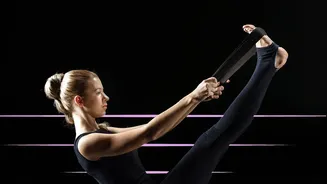
You can integrate a surprising amount of movement without ever leaving your workstation. These 'deskercises' help relieve tension and keep your muscles active. Try simple neck rotations, slowly turning your head from side to side. Do shoulder shrugs, lifting your shoulders to your ears and then relaxing them down. Extend one leg at a time straight out in front of you. Make circles with your ankles. Even simple hand and finger stretches can prevent the strain from constant typing. These small actions, performed consistently, combat the negative effects of a sedentary work style. Hold stretches for 10-30 seconds, and remember to breathe.
Build Active Habits into Your Workday
A movement-friendly mindset extends beyond your desk setup. Structure your day to include active breaks. The Pomodoro Technique—working for 25 minutes, then taking a 5-minute break—is a perfect opportunity to stand up, stretch, or walk around. Make it a habit to stand up or walk around your room during phone calls or virtual meetings where you don't need to be on camera. Set a timer to remind yourself to get up and move every hour. Instead of sending an email to a colleague in the same office, walk over to their desk. These small changes in routine add up, turning a static day into a more dynamic and healthier one.