




What Exactly Is the ‘No PUC, No Fuel’ Rule?
The 'No PUC, No Fuel' mandate is a straightforward but impactful policy being enforced across Delhi and the wider National Capital Region (NCR). Under this rule, fuel stations are prohibited from selling petrol, diesel, or even CNG to any vehicle that
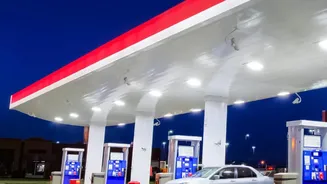
does not have a valid and up-to-date Pollution Under Control (PUC) certificate. First implemented in Delhi, the rule was expanded to cover the entire NCR from October 1, 2026, to create a unified front against vehicular pollution. To ensure compliance, many fuel pumps, especially in Delhi, have been equipped with Automatic Number Plate Recognition (ANPR) cameras. These systems automatically scan a vehicle's registration number and check its PUC status in a central database before authorising the pump to dispense fuel. If your certificate is expired or missing, you will be denied service.
The Push Behind the Policy: Tackling Air Pollution
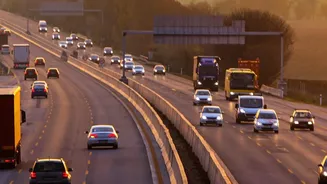
This stringent measure is a key part of the government's strategy to combat the severe air pollution that plagues Delhi-NCR, especially during the winter months. Vehicular emissions are a significant contributor to the region's toxic smog, accounting for an estimated 19-24% of pollutants during winter. As the air quality index (AQI) regularly enters 'severe' and 'hazardous' categories, authorities are forced to take drastic steps. The 'No PUC, No Fuel' rule is a preventative measure designed to ensure that all vehicles on the road are compliant with emission standards year-round, rather than just during periodic checks. By making a valid PUC certificate essential for the basic function of refuelling, the government aims to significantly increase compliance and, in turn, reduce the overall pollution load from traffic. The policy is one part of a larger Graded Response Action Plan (GRAP) that includes progressively stricter curbs on vehicles and construction activities as air quality worsens.
How to Get or Renew Your PUC Certificate
Ensuring you have a valid PUC certificate is a relatively simple offline process. You must take your vehicle to an authorised emission testing centre, which are commonly found at petrol pumps and designated service stations. A technician will insert a probe into your vehicle's exhaust pipe to measure the levels of pollutants like carbon monoxide and hydrocarbons. If the emissions are within the prescribed limits, a certificate is generated and issued immediately. The certificate includes details about your vehicle, the emission readings, and the validity date. For newer BS-IV and BS-VI compliant vehicles, the certificate is typically valid for one year, while older vehicles may require more frequent testing. The cost is nominal, generally ranging from ₹60 for two-wheelers to ₹100 for diesel four-wheelers. While the test is physical, you can later download a digital copy of your certificate from the official Parivahan portal.
The Penalties Go Beyond the Pump
Being denied fuel is the most immediate consequence of not having a valid PUC, but the financial penalties for non-compliance are severe. Under the Motor Vehicles Act, driving a vehicle without a valid PUC certificate can attract a hefty fine of ₹10,000. In addition to the fine, offenders could also face imprisonment for up to six months or a suspension of their driving license for three months. These penalties are enforced through on-road checks by traffic police and transport department officials, which are being intensified as part of the winter action plan. Therefore, the 'No PUC, No Fuel' rule acts as a constant check, but the underlying legal penalty for driving without a valid certificate remains a significant deterrent.
Who is Exempt and What Else to Know
It's important to note that this rule applies to all petrol, diesel, and CNG vehicles. The only vehicles exempt from requiring a PUC certificate are electric vehicles (EVs), as they have zero tailpipe emissions. For owners of conventional vehicles, it is crucial to remember that a PUC is mandatory one year after the vehicle's initial registration. The government has also made it clear that PUC certificates cannot be issued for petrol vehicles older than 15 years and diesel vehicles older than 10 years, as these are considered end-of-life vehicles in Delhi and are not permitted on the roads. This policy reinforces the broader push to phase out older, more polluting vehicles from the NCR.