






The Science of Bad Vibrations
So, how can sound get rid of a stubborn aphid or destructive beetle? The answer lies in vibrations. Many insects perceive the world not just through sight and smell, but through vibrations traveling through the air, soil, and plants themselves. They use
these signals to find mates, detect predators, and locate food. The idea behind acoustic pest control is to disrupt this delicate communication network with targeted frequencies. By broadcasting specific low-frequency sounds or vibrations, scientists can essentially create an environment that is confusing, irritating, or downright scary for insects. It’s not about being loud in the way humans perceive it; it’s about hitting the precise vibrational notes that interfere with an insect's ability to survive and thrive. Think of it like trying to have a serious conversation in a room where someone is constantly playing a distracting, annoying noise—eventually, you’ll just want to leave.
What's on the Playlist?
This isn't a one-size-fits-all approach. Different pests respond to different frequencies. Researchers are essentially creating a sonic library to identify which vibrations work best on specific agricultural nuisances. For example, some studies focus on disrupting the mating calls of certain insects, making it harder for them to reproduce. Other approaches use sound to mimic a predator, triggering a flight response. USDA scientists have explored using accelerometers and microphones to detect and identify underground pests like citrus root weevils and white grubs by the unique sounds they make while moving and feeding. One study even found that female moths avoided laying eggs on plants that were emitting the ultrasonic stress sounds of dehydration, a process that could be replicated artificially. The technology ranges from ultrasonic devices emitting high-frequency sounds to systems that generate substrate vibrations directly through plants.
Is This Ready for the Field?
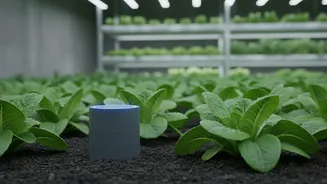
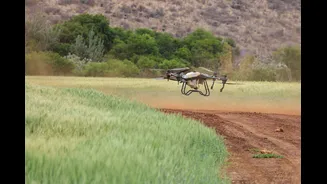
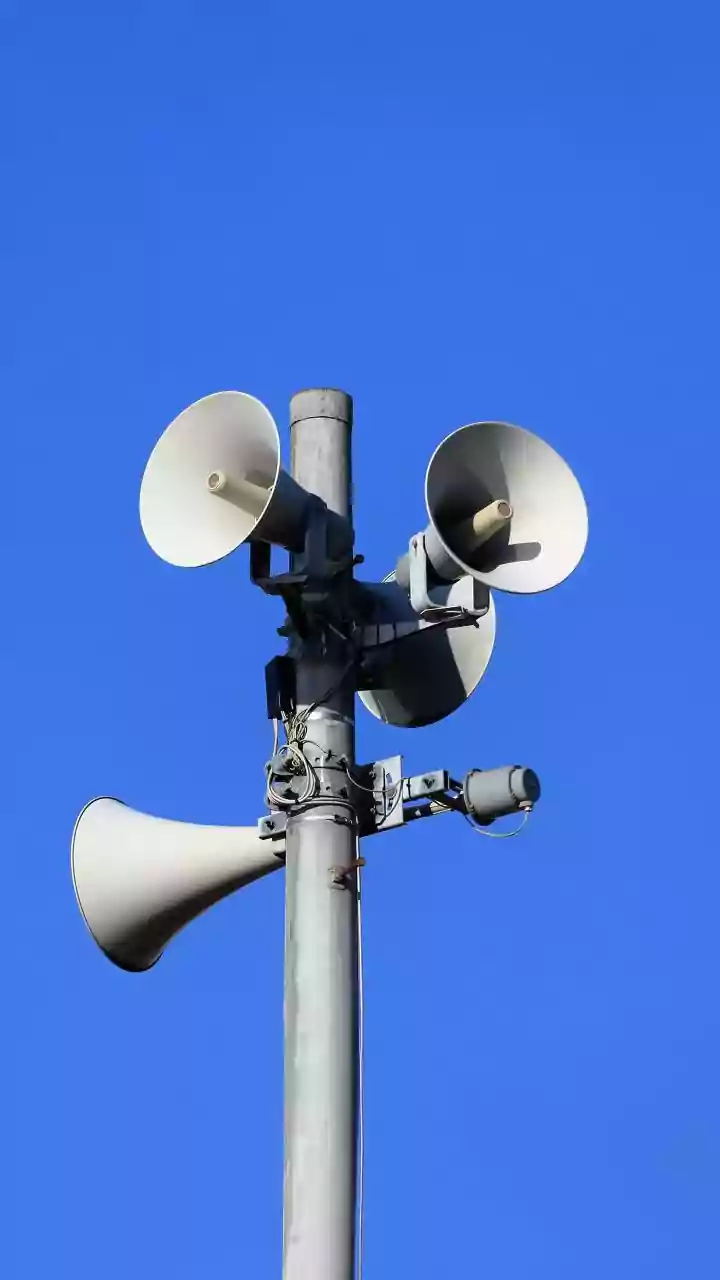
While the promise is enormous, you probably won't see giant speakers flanking cornfields tomorrow. Much of this technology is still in the experimental or early commercial stages. One of the biggest hurdles is scaling the solution from a controlled lab environment to the chaotic, noisy reality of a working farm. Background noise from wind, vehicles, and even internal plant sounds can interfere with the signals. The effectiveness can also be limited by distance; a signal that works up close may weaken just a few feet away. However, progress is being made. Some companies are developing AI-driven systems and even acoustic drones to deliver targeted sound more effectively. In greenhouse settings, where the environment is more controlled, ultrasonic systems have shown high efficacy against certain pests in the 30–50 kHz range. The consensus is that acoustic control is a highly promising component of an Integrated Pest Management (IPM) strategy, designed to reduce reliance on chemicals rather than replace them entirely overnight.
The Bigger Picture for Farming
The drive for chemical-free pest control is about more than just a niche market. Consumers are increasingly demanding produce grown with fewer pesticides, and regulators are tightening restrictions on chemical use. For farmers, this technology represents a potential win-win: a way to meet market demand for sustainable products while also reducing the high recurring cost of pesticides. By using sound, farmers can avoid chemical runoff that can pollute water and degrade soil health. It's a non-toxic method that's safe for farmworkers and doesn't harm beneficial insects, like pollinators, or other non-target species. While the initial investment in acoustic devices might be higher than a single pesticide application, the long-term savings from reduced chemical and labor costs could be substantial. It points toward a future of precision agriculture, where data and technology, rather than brute force, are used to manage farm ecosystems in a smarter, safer way.