


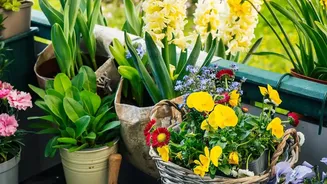

The Rise of the Green Balcony
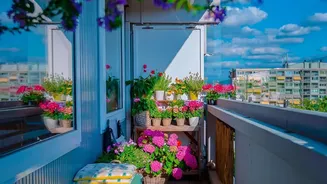
Urban gardening is blossoming across India, as city dwellers look for ways to reconnect with nature amidst the concrete. This trend isn't just about aesthetics; it’s a response to a collective desire for a healthier, more sustainable lifestyle. A small
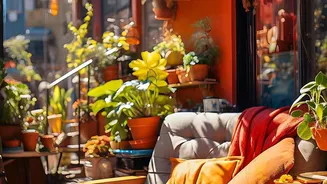
balcony garden offers a powerful antidote to the stresses of urban life. Studies and personal accounts consistently show that even small-scale gardening can reduce stress, improve mood, and provide a gentle form of physical activity. Tending to plants, even for a few minutes a day, fosters a sense of purpose and accomplishment. This daily ritual becomes a mindful practice, helping to interrupt cycles of worry and anxiety by drawing our focus to the present moment. In essence, that small patch of green becomes a personal wellness retreat, offering a slice of tranquility just a few steps away.
Your First Five Herbs: Easy and Essential
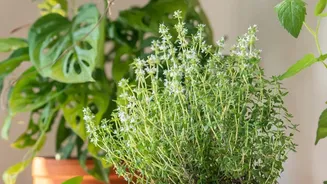
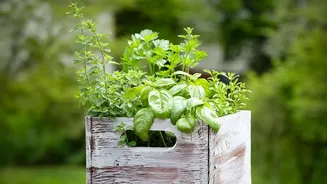
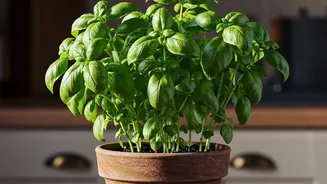
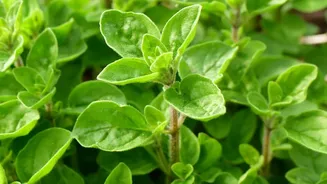
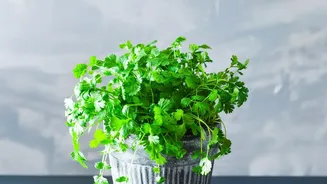
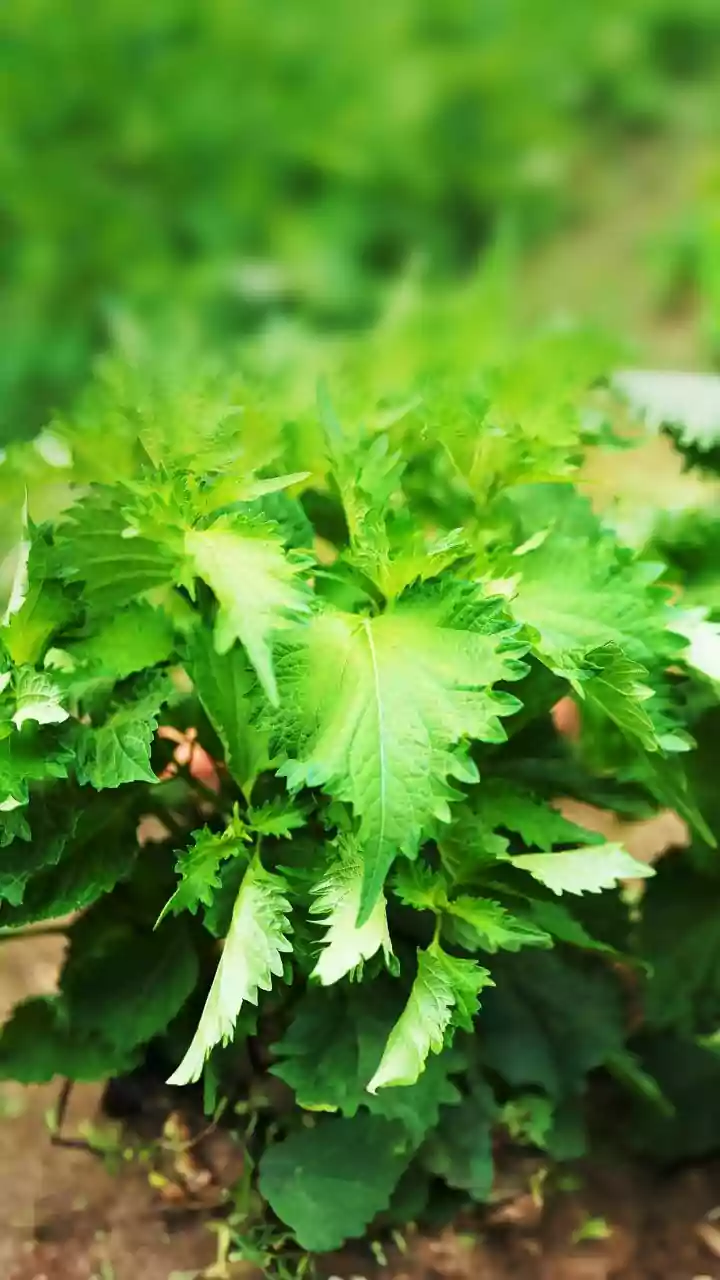
Starting an herb garden doesn't require expert knowledge. The key is to begin with plants that are forgiving and well-suited to Indian climates. Here are five easy-to-grow herbs that thrive in pots and offer immediate rewards. Tulsi (Holy Basil) is a must-have, revered for both its spiritual and medicinal properties; it's resilient and loves sunlight. Pudina (Mint) grows vigorously, providing an endless supply for teas and chutneys—just be sure to keep it in its own pot to prevent it from taking over. Dhaniya (Coriander) is a kitchen staple that can be grown quickly for its leaves. Kadi Patta (Curry Leaves) is a long-term investment that becomes a small, fragrant bush, perfect for balcony corners. Finally, green chillies are incredibly productive in pots, especially on balconies that receive good sunlight.
Setting Up for Success: Soil, Sun, and Water
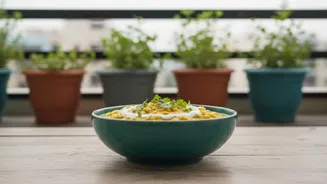
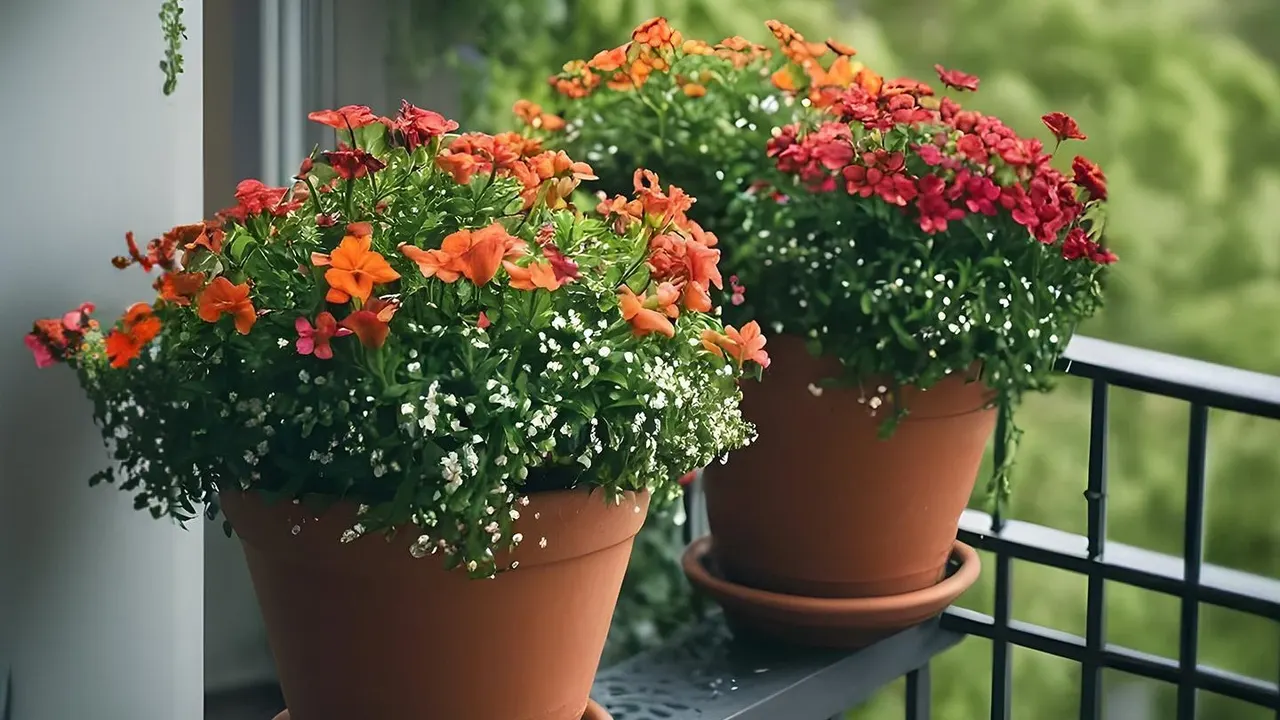
Your success begins with the right foundation. You don't need expensive equipment, just a few basics. First, choose your containers. Terracotta pots are excellent as they are porous and allow soil to breathe, but any container with drainage holes will work. Good drainage is crucial to prevent roots from getting waterlogged. Next, sunlight is your garden’s fuel. Most herbs need at least four to six hours of sunlight daily, so observe your balcony to find the sunniest spot. Don't worry if you have less; herbs like mint can tolerate partial shade. For soil, a standard potting mix available at any local nursery is a great start. You can improve its quality by mixing in some compost. When it comes to watering, the golden rule is to check the soil. Stick a finger about an inch deep; if it feels dry, it's time to water. Overwatering is a common mistake, so it's better to let the soil dry out slightly between waterings.
More Than Just Greenery: A Sustainable Habit
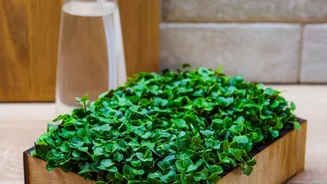
A balcony herb garden is more than a collection of plants; it’s a step towards a more connected and sustainable lifestyle. The joy of snipping fresh, pesticide-free herbs for your morning chai or evening meal is unparalleled. It fosters a deeper connection to the food you eat and reduces household waste. Instead of buying a whole bunch of dhaniya only to see it wilt in the fridge, you harvest only what you need. This small-scale farming, sometimes called 'micro-gardening', also contributes positively to your immediate environment. Plants help purify the air, can create a cooling effect on your balcony, and provide a small habitat for pollinators like bees and butterflies. It’s a simple, powerful way to bring a piece of the natural ecosystem into the urban landscape, making your home and your city a little greener.