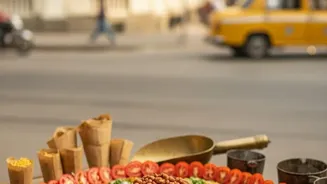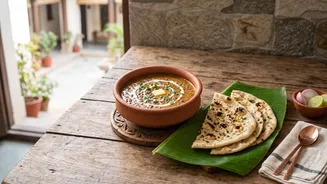

In a surprising culinary shift, young Indian diners are trading globalised fast food for the complex, authentic flavours of their grandparents' generation. This growing appetite for tradition is breathing new life into heritage food outlets.
A Return to Culinary Roots
For years,
the Indian food scene was dominated by a handful of popular dishes and a growing fascination with international chains. Butter chicken, biryani, and pizza were the undisputed kings of the menu. Now, a different kind of food movement is taking hold, driven not by novelty, but by a deep-seated desire for authenticity. Across India's bustling cities, a new generation of diners is seeking out meals that tell a story—dishes that are rooted in a specific region, community, or family history. This trend goes beyond mere nostalgia; it's a conscious choice to connect with and preserve India's vast culinary heritage. Diners are increasingly drawn to restaurants that specialize in a single regional cuisine, whether it's the coastal flavours of Malvan, the subtle spices of Chettinad, or the unique ingredients of Nagaland. This search for authenticity has created a booming market for restaurants that celebrate 'lost recipes' and traditional cooking techniques passed down through generations.
The Young and the Hungry for Authenticity
Perhaps the most surprising aspect of this revival is who's leading the charge: millennials and Gen Z. Raised on a diet of global media and fast-food convenience, this demographic is now actively seeking out experiences that feel more grounded and meaningful. For them, food is not just sustenance; it's an expression of identity. Ordering a hyper-regional dish is a way to explore their own culture, understand its diversity, and share that discovery with their followers online. Social media plays a huge role; an obscure dish from a little-known heritage eatery makes for a far more interesting Instagram post than another generic pizza. This generation is curious, well-researched, and cares about the story behind their food. They want to know about the ingredients, the history of the recipe, and the community it comes from, making dining a form of cultural exploration.
Beyond the Plate: What's Driving the Demand
Several factors are fueling this shift. Firstly, there's a growing awareness around health and wellness. Many traditional Indian cooking methods use fresh, local, and seasonal ingredients, along with ancient grains like millets, which are now seen as healthier alternatives to processed foods. Secondly, the pandemic played a role by sparking a home-chef movement that brought many forgotten family recipes into the mainstream spotlight. This rekindled an interest in domestic culinary traditions that restaurants are now catering to. Finally, there's a sense of pride and a desire to preserve cultural legacies. Entrepreneurs are opening outlets dedicated to the cuisines of their ancestors, such as pre-Partition Punjabi food or royal Nizami dishes, to ensure these traditions aren't lost to time. Restaurants like Karim's in Delhi, with its Mughlai lineage, or Dorabjee & Sons in Pune, serving authentic Parsi food for over a century, are finding a new, younger audience that respects their history.
From Niche to Mainstream
What started as a niche interest is now becoming a significant force in the Indian restaurant industry. Even five star hotels are curating 'lost recipe' menus, and chefs are gaining acclaim for their focus on hyper local ingredients, from Himalayan seeds to specific regional spices. These establishments are proving that luxury isn't just about imported ingredients like truffles and caviar; it can also be found in the rarity, craftsmanship, and history of a traditional dish. Outlets that focus on a specific culinary story are outperforming those with generic, multi cuisine menus in urban markets. This is more than just a passing trend; it signals a maturation of the Indian palate. Diners are moving beyond the introductory dishes that once defined Indian food for the world and are now exploring its incredible depth and diversity.