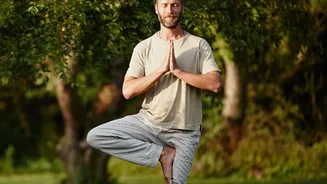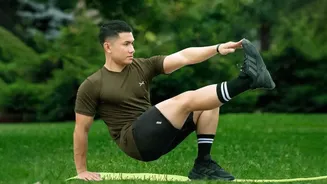

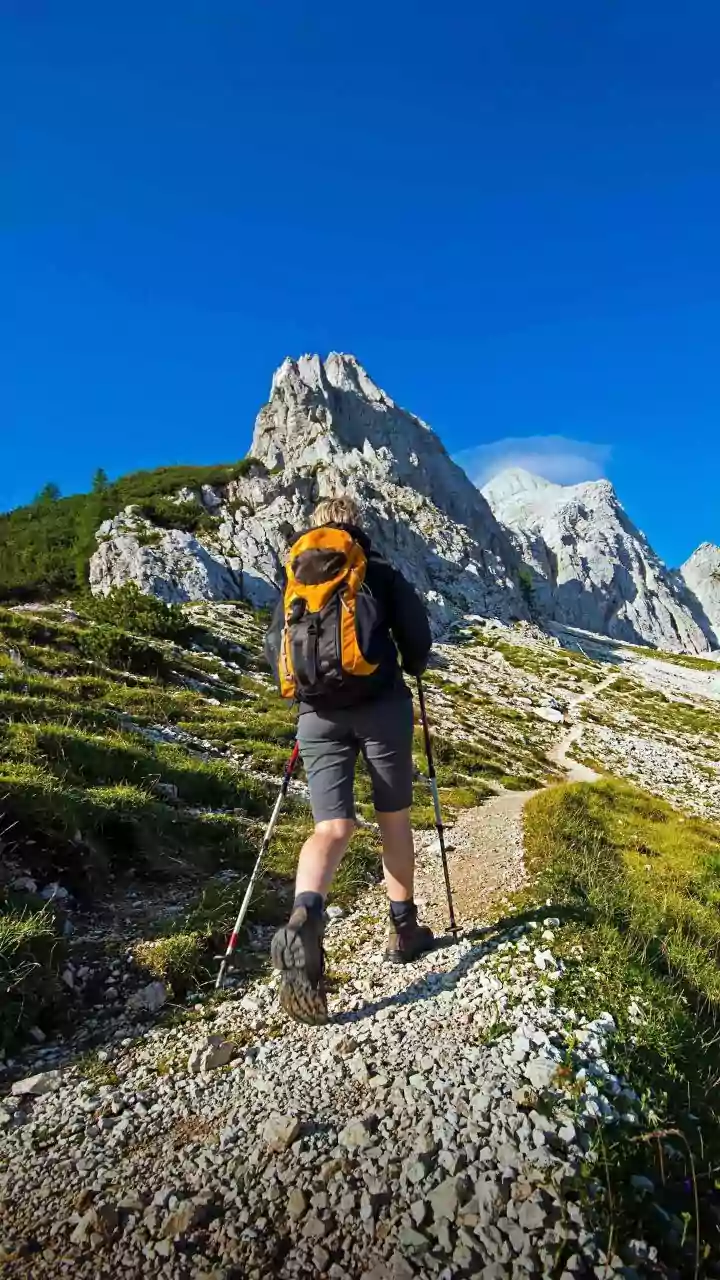

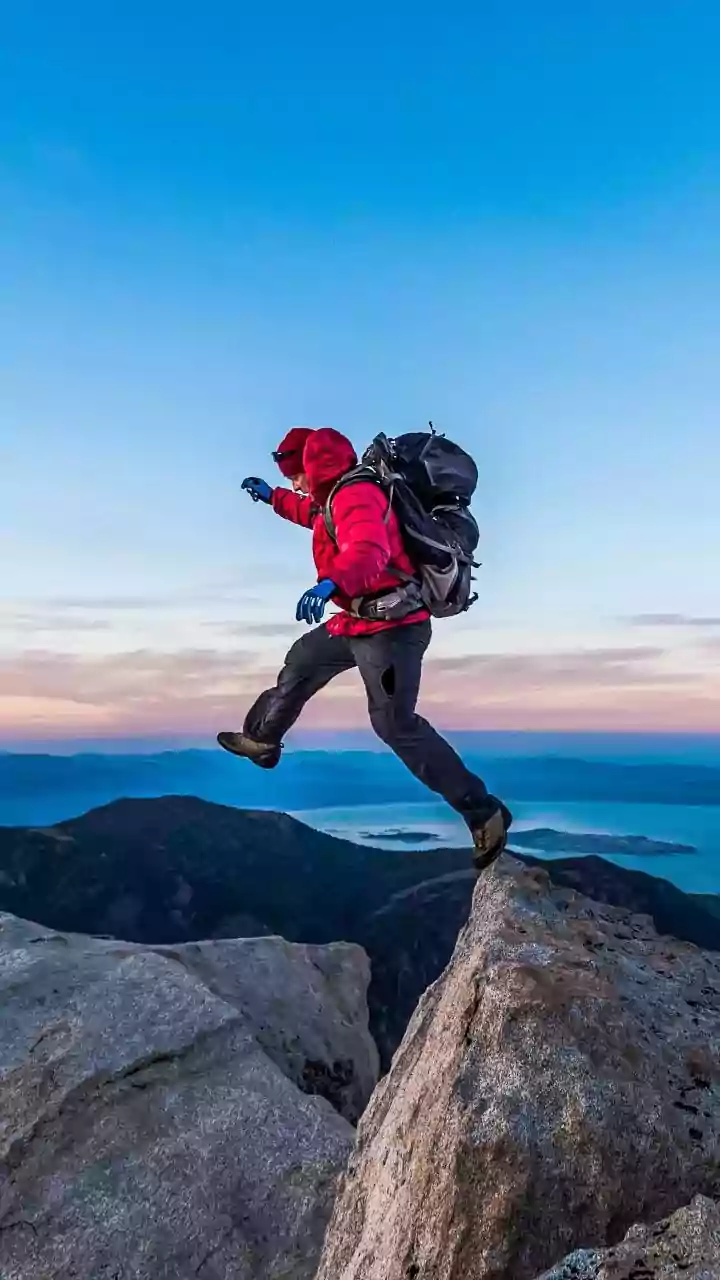

At a glance, hiking and skateboarding seem worlds apart. One is a battle against nature's inclines and obstacles, the other a dance with gravity on urban terrain. Yet, both demand exceptional balance, leg stability, and precise weight shifts.
The Ground Beneath Your Feet
The fundamental
difference between hiking and skateboarding begins with the surface. Hiking involves navigating varied and often unpredictable terrain—dirt paths, rocky scrambles, and uneven slopes. This constantly changing ground forces your body to make continuous micro-adjustments. Your feet, ankles, and legs must react to instability from every angle, engaging a wide range of stabilizer muscles. This enhances proprioception, which is your body's innate sense of its position in space. In contrast, skateboarding mostly happens on smooth, hard surfaces like pavement or concrete. The challenge isn't the unpredictability of the ground itself, but the instability of the board moving across it. The stability required is for managing a consistently unstable platform, not a varied surface.
A Tale of Two Stances
Posture dictates how you control your center of gravity. A hiker generally stands upright, facing forward, with weight shifting from one foot to the other in a linear progression. When carrying a backpack, the goal is to keep the heaviest items centered and close to the spine to maintain a stable, upright posture and avoid strain. A skateboarder, however, adopts a lower, wider, and side-facing stance. Bending the knees lowers the center of gravity, which is crucial for control. This crouched position engages the glutes and hamstrings for flexing and extending the hip and knee joints, allowing the rider to absorb impacts and prepare for movements. The entire body, from the ankles to the shoulders, is aligned to manage balance laterally, or side-to-side.
The Dance of the Weight Shift
In hiking, weight shifts are primarily about forward momentum. Each step is a deliberate transfer of weight from the back leg to the front. On steep inclines or declines, this becomes a more pronounced lunge, requiring significant power from the glutes and quadriceps. The focus is on rhythmic, powerful, and endurance-based movement. Skateboarding involves a far more dynamic and subtle series of weight shifts. To steer, a skater carves by shifting weight between their heels and toes. Pushing involves a single-leg balancing act, similar to a lunge, that works the glutes and hamstrings of the planted leg. This dynamic balancing act requires constant adjustments from the feet, ankles, knees, and hips to control the board.
Muscles on the Job
While both activities provide a full-body workout, they emphasize different muscle groups. Hiking is a powerhouse for the major leg muscles: the quadriceps, hamstrings, and glutes do the heavy lifting, especially on hills. The calf muscles and smaller stabilizers around the ankles and knees work constantly to prevent twists and maintain balance on uneven ground. Skateboarding is a masterclass in core and lower leg strength. The core—abdominals and lower back—is constantly engaged to maintain stability on a moving board. The ankles and calves are in a state of high alert, making tiny, reactive corrections to stay centered. The gluteus medius, a key hip stabilizer, works overtime to keep the pelvis steady during single-leg pushes and lateral movements.
Cross-Training Your Stability
The different demands of hiking and skateboarding mean they can complement each other beautifully as cross-training activities. The endurance and raw leg strength built from hiking can give a skateboarder more power and stamina for longer sessions. A hiker's familiarity with uneven surfaces might translate into better recovery from unexpected bumps or cracks in the pavement. Conversely, the fine tuneded reactive balance a skateboarder develops is a huge asset on a tricky trail. The core strength and ankle stability honed on a skateboard can help prevent falls and injuries when navigating rocky descents or slippery paths. Engaging in both can lead to a more well rounded sense of balance and body awareness strengthening not just the major muscles but the crucial supporting ones as well.