




The Chemistry of Colour
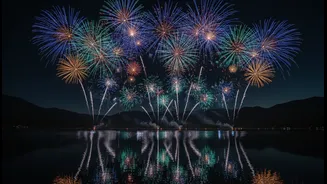
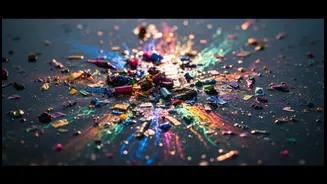
The brilliant hues that paint the sky during a fireworks display are a marvel of chemistry. Each colour is produced by heating specific metal salts to extreme temperatures. It's like a high-stakes science experiment in every shell. The vibrant reds come
from strontium or lithium compounds. Bright greens are created by barium, while the elusive, hard-to-produce blues come from copper compounds. Yellows are the result of sodium, the same element found in table salt, and brilliant white flashes are produced by metals like magnesium, aluminum, or titanium burning at incredibly high temperatures. These metal salts are packed into small pellets called "stars" along with a fuel and an oxidiser, which provides the oxygen needed for combustion. When the firework explodes, the heat excites the electrons in these metals, causing them to release energy in the form of colourful light.
What Goes Up, Must Come Down
The magic in the sky leaves a tangible footprint on the ground and in our air. The same chemical reactions that create the beautiful colours and loud bangs also release a cocktail of pollutants. When fireworks explode, they disperse a cloud of fine particulate matter, often referred to as PM2.5. These are tiny particles, smaller than the width of a human hair, composed of heavy metals, unburnt chemical residues, and other toxic substances. Studies have shown that air pollution levels can spike dramatically during and after firework displays. During festivals like Diwali, particulate matter levels in Indian cities can soar 3 to 10 times above national safety standards. This cloud of pollutants doesn't just disappear; it can linger for hours or even days, posing a significant risk to public health.
A Breath of Not-So-Fresh Air
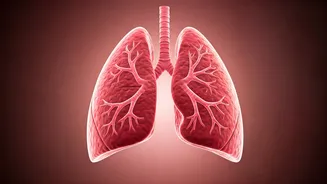
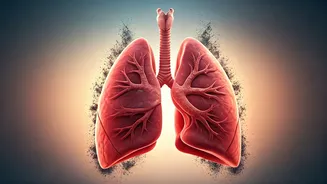
Inhaling the smoke from fireworks is far from harmless. The tiny PM2.5 particles can bypass the body's natural defences and penetrate deep into the lungs and even enter the bloodstream. This can irritate the lungs, trigger coughing, and cause breathing difficulties. For individuals with pre-existing respiratory conditions like asthma or Chronic Obstructive Pulmonary Disease (COPD), exposure to this pollution can trigger severe attacks. But the risk isn't limited to vulnerable groups. Even healthy individuals can experience adverse effects. The pollutants released, including gases like sulfur dioxide and nitrogen dioxide, can cause lung irritation, while the heavy metals used for colour, such as barium, copper, and strontium, are also released into the air we breathe.
More Than Just Smoke and Mirrors
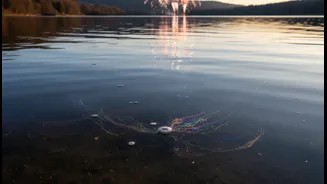
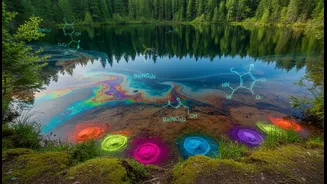
The environmental impact of fireworks extends beyond air quality. The thunderous booms and crackles are a form of noise pollution that can reach levels capable of causing hearing damage in humans and inducing severe stress and panic in pets and wildlife. Furthermore, the chemical fallout doesn't just stay in the air. Heavy metals and other compounds settle on land and can be washed into rivers, lakes, and soil. Perchlorates, compounds used as oxidisers in many fireworks, are highly soluble in water and can contaminate drinking water sources, posing a long-term risk to both wildlife and human health. The plastic casings and other debris from the fireworks also contribute to waste and microplastic pollution.
The Search for a Greener Bang
In response to growing environmental concerns, scientists and manufacturers are exploring so-called "green" fireworks. The goal is to create displays that reduce the toxic fallout. These alternatives aim to use nitrogen-rich compounds as fuel, which produce more nitrogen gas and water instead of a thick cloud of smoke. They also seek to replace toxic heavy metals and perchlorate oxidisers with less harmful substances. However, the development of these greener options faces challenges. Creating stable, vibrant colours, especially blue, without traditional metal compounds is difficult. Furthermore, these eco-friendly alternatives are often more expensive to produce, limiting their widespread adoption for large-scale displays. As awareness grows, the hope is that demand will drive innovation and make cleaner celebrations a more viable reality.