


The Unbeatable Economics of Mobility
For millions of Indians, the choice to ride a two-wheeler begins with simple mathematics. The upfront cost of a motorcycle or scooter is a fraction of a car's price, making personal mobility accessible to a much wider population. An entry-level car can
cost five to six times more than a budget-friendly commuter bike. This affordability extends to daily operations. With fuel prices being a constant concern, the superior mileage of two-wheelers, often delivering 40-80 km per litre, offers significant savings over cars, which typically provide 12-25 km per litre. Furthermore, maintenance costs are substantially lower. Annual servicing for a bike can be as little as ₹2,000, and spare parts are both cheaper and more widely available, making repairs quick and affordable. It’s a package of financial prudence that makes two-wheelers the default choice for the cost-conscious urban commuter.
Mastering the Maze of Urban Congestion
Indian cities are notorious for traffic congestion, with commuters in places like Bengaluru, Delhi, and Mumbai losing hundreds of hours a year just sitting in gridlock. The average travel time for a mere 10 kilometres can stretch to over 30 minutes during peak hours. This is where the two-wheeler's greatest advantage comes into play: its agility. A motorcycle or scooter can navigate narrow lanes and filter through gaps in slow-moving or stationary traffic, turning a 45-minute crawl into a 15-minute ride. This time-saving capability is not a luxury but a necessity for office-goers, students, and anyone on a tight schedule. While cars are stuck in bottlenecks, two-wheeler riders are already at their destination. This ability to conquer the chaos of city traffic makes them an incredibly dependable tool for daily transit.
Fuelling the Gig Economy Engine
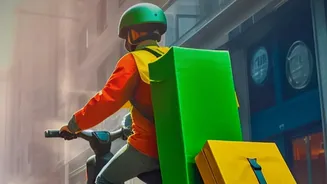
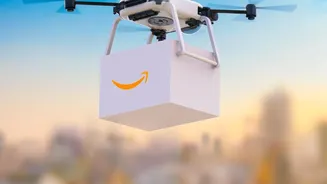
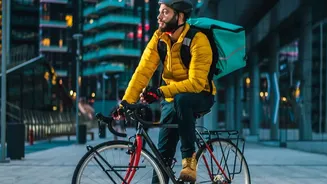
The rapid expansion of India’s gig economy is intrinsically linked to the two-wheeler. Services like food delivery from Zomato and Swiggy, quick commerce from Blinkit and Zepto, and last-mile e-commerce deliveries from Amazon would be impossible without a massive fleet of riders on bikes. For millions of gig workers, a motorcycle is their primary tool of employment, offering a low-barrier entry to earning a livelihood. The two-wheeler provides the speed and flexibility needed to meet tight delivery windows, which are the backbone of the '10-minute delivery' model. The market for last-mile delivery is projected to grow exponentially, further cementing the two-wheeler's role as the workhorse of urban commerce. Recognizing this, some government guidelines have even paved the way for using personal motorcycles as bike taxis, further integrating them into the commercial fabric of cities.
A Symbol of Freedom and Aspiration
Beyond the practicalities of cost and convenience, owning a two-wheeler in India is often a significant personal milestone. For many, it's the first major asset purchase, representing economic independence and upward mobility. It provides a level of freedom that unreliable and overcrowded public transport often cannot. Whether it’s for running family errands, dropping children at school, or simply the ability to travel without being bound by bus routes and train schedules, the two-wheeler empowers its owner. It’s a key that unlocks access to better job opportunities, education, and social connections across the city. This sense of autonomy and aspiration has been a cultural driver of two-wheeler adoption since the 1980s and continues to make it more than just a vehicle.
The Road Ahead: Cleaner and Greener
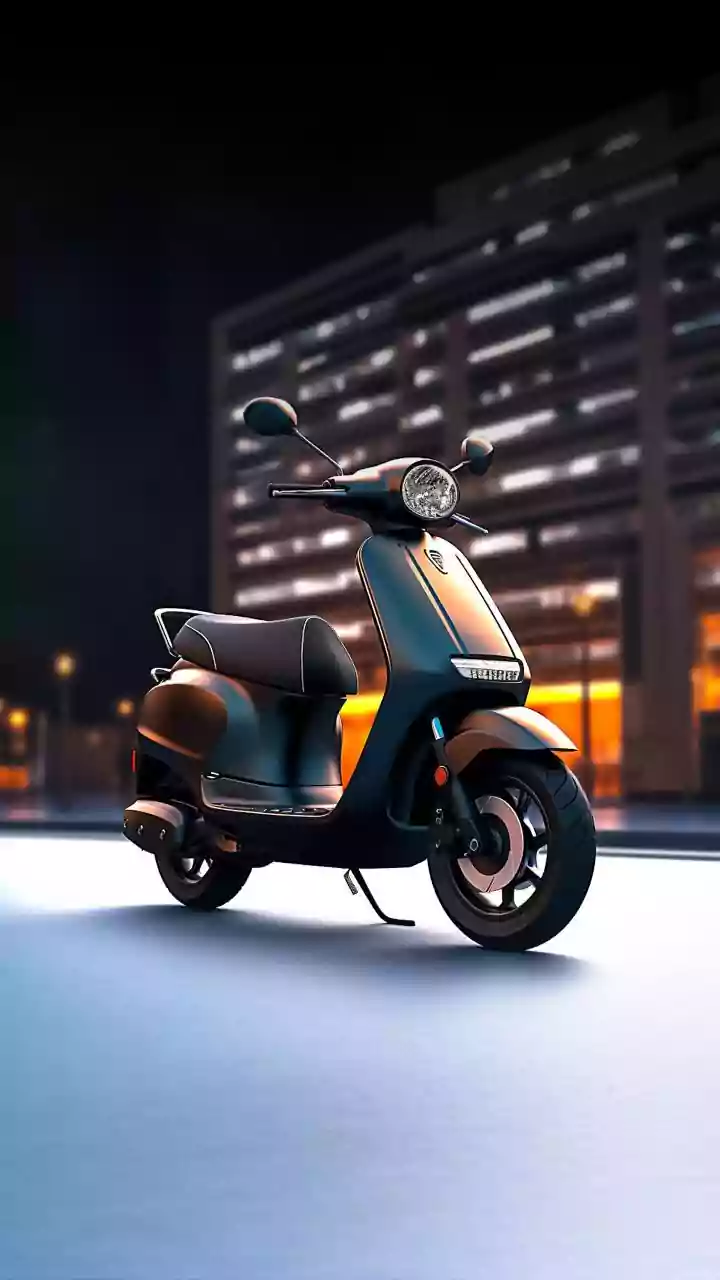
While traditional petrol-powered two-wheelers dominate the roads, the future is rapidly turning electric. Growing concerns over air pollution and the rising cost of petrol have accelerated the adoption of electric scooters and motorcycles. The government's FAME-II scheme and other incentives have made electric vehicles (EVs) more affordable. For the rider, the benefits are clear: zero tailpipe emissions, silent operation, and significantly lower running costs, as charging an EV is much cheaper than buying petrol. Though challenges like limited range and underdeveloped charging infrastructure remain, the push towards electrification is undeniable. This evolution ensures that the two-wheeler, in its new electric form, will continue to be the most relevant and dependable solution for urban Indian commuters for years to come.