
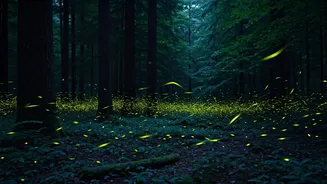



A Forest Dressed in Stars
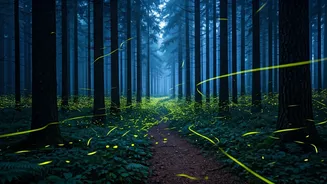
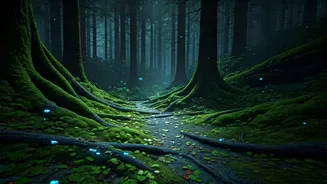
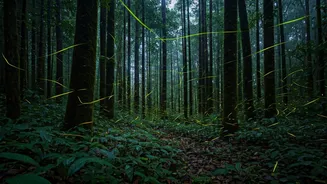
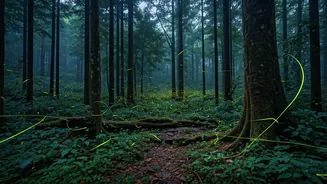
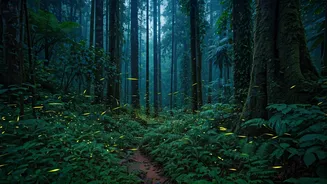
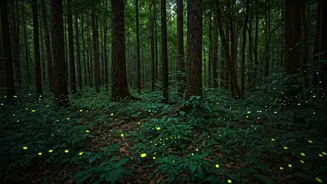
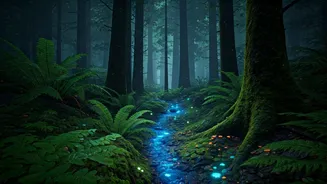
Imagine standing in complete darkness, the air thick with the smell of damp earth and blooming flowers. Suddenly, a single point of light blinks nearby. Another answers from a distant branch. Within minutes, the entire forest is alive, with thousands
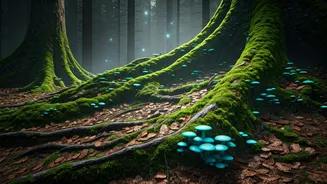
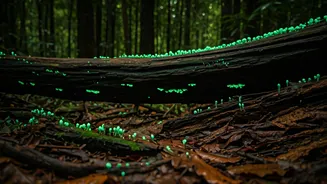
upon thousands of tiny insects flashing in unison. Trees, bushes, and even the forest floor become canvases for a silent, pulsating light show. This is not a scene from a fantasy film; it is a real, natural phenomenon that unfolds every year in the dense forests of the Western Ghats, just before the monsoon rains arrive to wash the landscape clean. For a few precious weeks in May and June, entire ecosystems are transformed into ethereal wonderlands by the collective glow of fireflies engaged in their annual mating ritual.
The Science of the Spectacle
What we witness as pure magic is, at its core, a beautiful biological imperative. The light produced by fireflies is a form of bioluminescence, a chemical reaction inside their bodies involving a compound called luciferin, an enzyme called luciferase, and oxygen. This cold light, which emits almost no heat, is the firefly's language of love. The males fly around, flashing a specific pattern to announce their species and availability. Females, often perched on leaves or branches, respond with their own flashes if they are interested. In some species, this courtship escalates into a mesmerising display of synchronicity, where thousands of males coordinate their flashes. Scientists believe this synchronised blinking helps the males stand out from the visual noise, making it easier for females to spot a suitable partner. It’s a stunning example of collective behaviour in nature, a coordinated effort to ensure the next generation.
When and Where to Go
The firefly season is fleeting, typically lasting from mid-May to mid-June, ending abruptly with the onset of the first heavy monsoon showers. The best viewing experiences occur on moonless nights when the darkness is absolute, allowing the insects' glow to appear even brighter. Several locations across the Western Ghats have become hotspots for firefly tourism. In Maharashtra, villages like Purushwadi, known for its community-run firefly festival, offer an immersive experience. The Bhandardara region and the Bhimashankar Wildlife Sanctuary are also famous for their dense firefly populations. Further south, pockets in Goa’s Bhagwan Mahavir Wildlife Sanctuary and parts of Coorg in Karnataka also host these incredible light shows, though they may be less advertised. The key is to find areas with minimal light pollution and dense, healthy forests, as fireflies are sensitive indicators of environmental health.
Witnessing With Respect
The growing popularity of firefly watching brings a critical responsibility: to witness this spectacle without harming it. Fireflies are extremely sensitive to artificial light, which can disrupt their mating signals and threaten their populations. If you plan a trip, follow a simple code of conduct. First and foremost, do not use flashlights or mobile phone screens; allow your eyes to adjust to the natural darkness. If a light is absolutely necessary, cover it with a red filter, as fireflies are less sensitive to red light. Stick to designated trails to avoid trampling on females or larvae on the ground. Keep noise to a minimum. Never try to catch the fireflies. The goal is to be a silent, invisible observer, a guest in their luminous world. Choosing eco-conscious tour operators who prioritise conservation over crowds is also a great way to ensure your visit has a positive impact.