






Beyond the Weighing Scale
There’s a quiet but powerful shift happening in Indian kitchens and on dining tables across the country. The frantic energy of crash diets, imported superfoods, and guilt-ridden eating is giving way to a more grounded approach. This new conversation isn’t
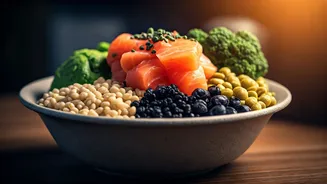
about what to cut out, but what to add in to achieve a sense of satisfying fullness. The focus is moving away from the number on a weighing scale to the feeling of well-being. Satiety—the feeling of being full and satisfied after a meal—is becoming the new benchmark for healthy eating. This isn't about eating more, but eating smarter, choosing foods that provide sustained energy and curb the unhealthy cravings that often follow restrictive diets.
The Science of Satiety, Desi-Style
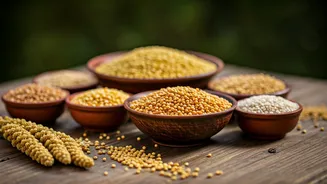
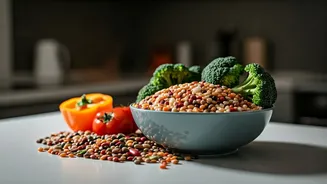
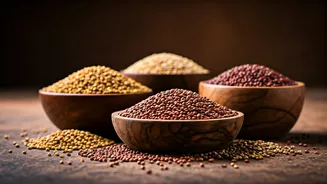
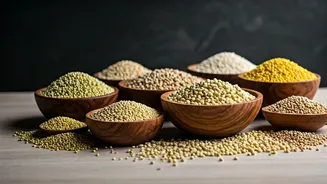
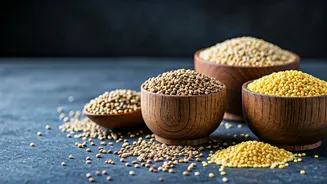
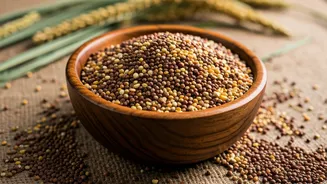
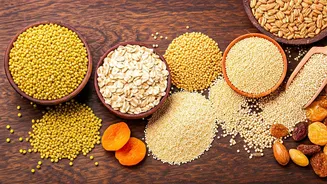
This emerging wisdom is backed by science. Nutritionists explain that modern Indian eating patterns have often leaned on refined carbohydrates that digest quickly, leading to blood sugar spikes and constant hunger. The antidote, it turns out, has been in our pantries all along. Foods rich in protein and fibre, like dals, legumes, paneer, and whole grains, are highly effective at promoting satiety. Millets such as ragi, jowar, and bajra are making a major comeback because they contain fibre and digest slower than refined flours, helping to stabilise energy and improve the feeling of fullness. This shift is also supported by a growing consumer trend where a vast majority of Indians are actively seeking healthier food choices and reading nutritional labels more carefully.
A Return to Traditional Wisdom
Much of this new conversation is actually a return to old-world knowledge. Traditional Indian meals, with their emphasis on balance, seasonal produce, and gut-friendly fermentation, are being rediscovered for their health benefits. Practices that were once commonplace, like making curd at home, fermenting dosa batter, or preparing khichdi, are now being celebrated as pillars of gut health and mindful eating. Spices like turmeric, cumin, and ginger, long used in everyday cooking, are being recognised for their anti-inflammatory and digestive properties. This rediscovery is not just about nostalgia; it’s a conscious choice to embrace a sustainable and holistic form of wellness that feels more authentic and achievable than fleeting Western trends.
The New Gurus of Gastronomy
Chefs and nutritionists are leading the charge in this new movement. A new generation of Indian chefs is redefining restaurant menus, moving away from heavy, stereotyped dishes to lighter, ingredient-forward creations that celebrate regional flavours. They are engaging with growers, exploring heritage ingredients, and building narratives around sustainable food systems. Similarly, wellness coaches and nutrition experts are amplifying the message that satisfaction is key to long-term health. They are teaching a new generation that a meal of dal and roti or a bowl of vegetable pulao with rajma can be a perfectly balanced and deeply satisfying choice. Even celebrities are championing simple, traditional meals, highlighting their nutritional benefits and ease of digestion.
Eating with Intention
Ultimately, the shift towards fullness is part of a larger trend of mindful living. The idea is that *how* we eat is just as important as *what* we eat. Mindful eating encourages being present during meals, engaging the senses, and listening to the body’s natural hunger and satiety cues. It’s a move away from mindless consumption and emotional eating towards a more intentional and joyful relationship with food. People are realising that meals built around whole, nourishing ingredients not only support physical health but also provide a deeper sense of comfort and emotional satisfaction that no fad diet can offer.