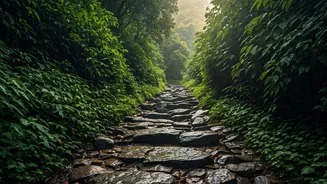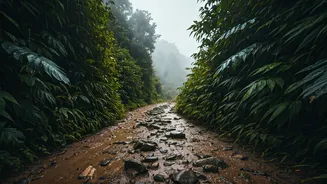



Pre-Trek Planning: Your First Line of Defence
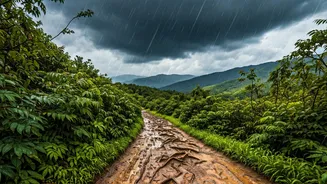
A safe trek begins long before you hit the trail. Thorough planning is non-negotiable. Start by researching your destination, choosing trails that are known to be safe during the monsoon and are less prone to landslides. Many popular treks can become
overcrowded, so consider exploring less-traveled but equally beautiful offbeat trails. Always check the weather forecast from a reliable source like the Indian Meteorological Department (IMD) right up until you leave. It's also wise to add a buffer day to your itinerary to account for unexpected delays caused by landslides or heavy rain. Finally, never trek alone in the monsoon. Go with a group and inform a friend or family member of your detailed itinerary and expected return time. This ensures someone knows your whereabouts in case of an emergency.
The Right Gear: Your Monsoon Armour
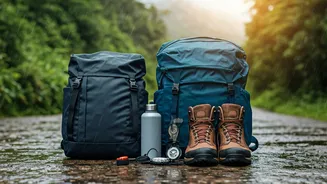
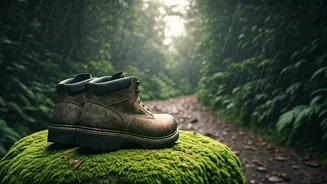
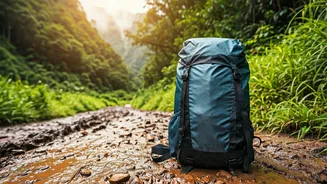
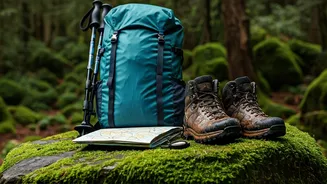
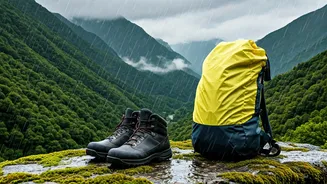
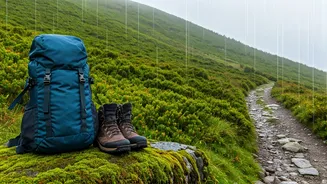
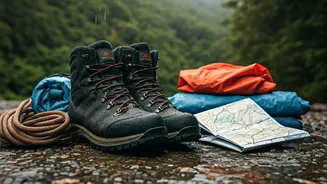
Your gear is your protection against the elements. The right footwear is paramount; invest in high-quality waterproof trekking shoes with deep treads and excellent grip to handle slippery rocks and mud. Regular sports shoes are not suitable. For clothing, avoid cotton as it absorbs moisture and takes a long time to dry, which can lead to hypothermia. Instead, opt for quick-drying synthetic or nylon fabrics. A reliable, lightweight poncho is often recommended over a standard raincoat because it provides better ventilation and can cover both you and your backpack. Keep all your belongings, especially electronics, clothes, and your wallet, inside dry bags or ziplock bags to protect them from water damage. A sturdy trekking pole is another essential, providing crucial stability on slippery descents and stream crossings.
On the Trail: Navigating a Wet World
Once on the trek, situational awareness is key. Always stick to marked trails and avoid taking shortcuts, which can be overgrown and treacherous. Monsoon rains in the mountains often intensify in the afternoon, so start your trek early in the morning to cover most of the distance in better light and weather. Be extremely cautious when crossing streams or rivers, as water levels can rise unexpectedly. If it's raining heavily, avoid crossings altogether. Leeches are a common nuisance on monsoon trails. To deter them, you can apply salt or tobacco on your socks and shoes. Wearing leech socks or tucking your pants into your socks can also provide a barrier. Remember to walk slowly and carefully, testing your footing before putting your full weight down.
First-Aid Fundamentals: Prepare for the Unexpected
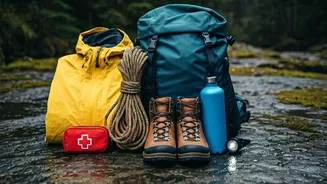
A well-stocked first-aid kit is essential for any trek, but it needs a few monsoon-specific additions. Your kit should include standard items like bandages, antiseptic wipes, pain relievers, and blister patches. For the monsoon, add anti-fungal powder to prevent skin infections in damp conditions and oral rehydration salts (ORS) to combat dehydration and fatigue. It's also a good idea to carry water purification tablets or a portable filter, as streams and natural water sources may be contaminated. Make sure you have supplies to handle leech bites, including salt to remove them and antiseptic to clean the wound afterwards to prevent infection.
Emergency Protocol: When Things Go Wrong
Even with perfect planning, emergencies can happen. Low visibility due to fog and rain is a common hazard that can lead to getting lost. Carry a reliable navigation tool, like a GPS device or offline maps on your phone, and a power bank to keep it charged. A whistle and a headlamp or flashlight are also critical for signalling for help, especially after dark. In case of an injury, the first step is to find a safe spot and assess the situation. Use your first-aid kit to provide immediate care. If the situation is serious or if someone gets separated from the group, having a pre-planned emergency contact is vital. Some regions may have dedicated rescue coordination centers, like the MMRCC in Maharashtra, that can be contacted for help.