





Start with a Conversation, Not Accusations
Before you can agree on rules, you need to agree on the principle. The goal isn't to police each other, but to create a fair and functional system for everyone. Find a calm moment to talk with your roommates or colleagues. Frame the conversation around
making life easier for everyone, not about past grievances. Acknowledge that different people have different habits and budgets. The aim is to find a compromise that works. This isn't about winning an argument; it's about establishing a foundation of mutual respect. Set a collaborative tone from the start, and the rules that follow will feel like a team effort rather than a list of demands.
Divide and Conquer with Designated Zones
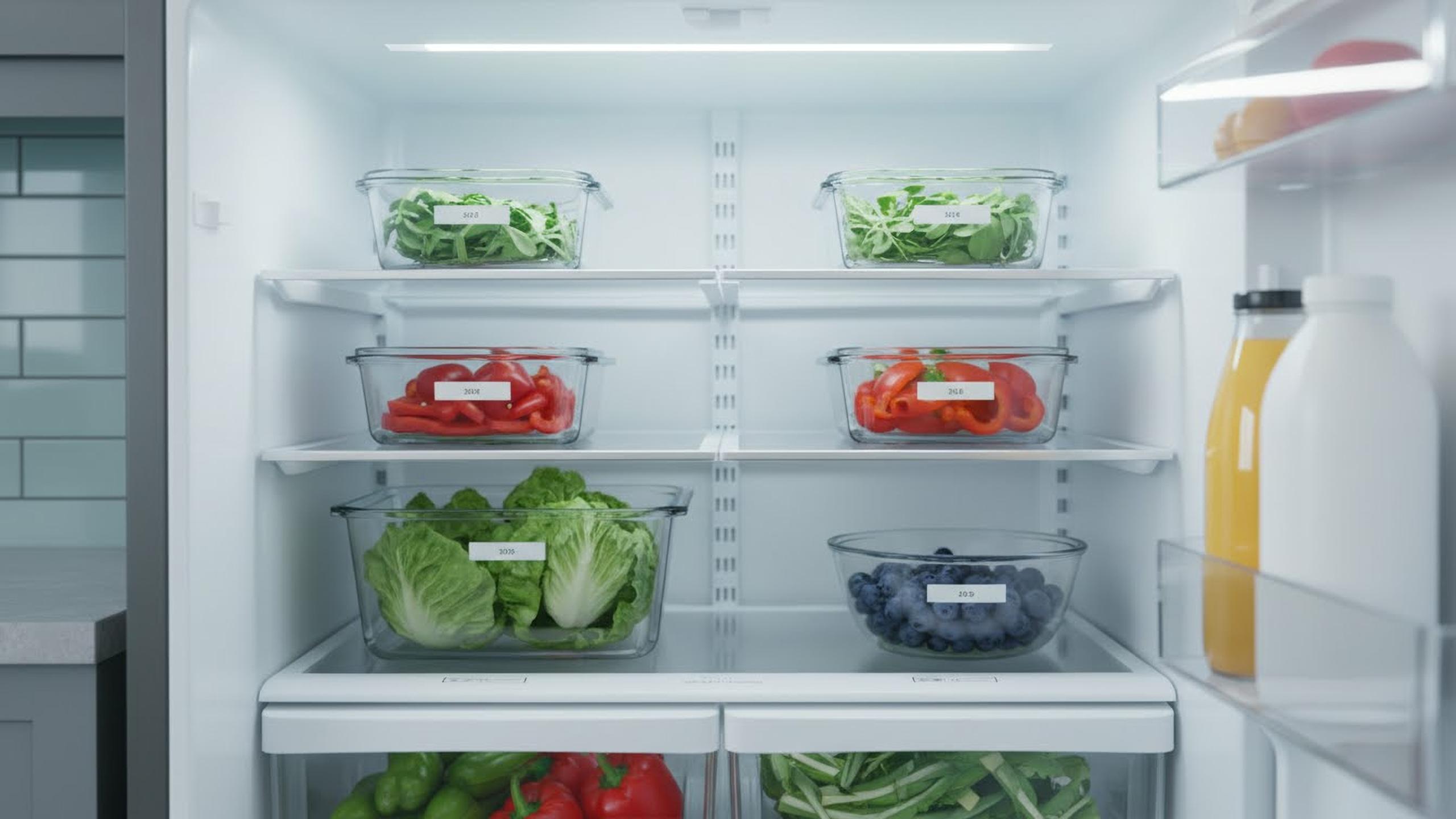
The single most effective strategy for fridge harmony is assigning territory. Make the fridge as symmetrical as possible, giving each person their own dedicated shelf, drawer, or clearly defined section. This immediately eliminates confusion over whose food is whose and prevents one person from slowly taking over the entire space. Use masking tape or removable labels to mark out these zones. The door shelves are often best designated as a communal space for shared items like milk, butter, or condiments that everyone has agreed to chip in for. This simple act of creating boundaries is the easiest fix for most storage issues.
The Power of a Good Labelling System
Even with designated zones, labelling is crucial. Keep a marker and some tape or sticky notes near the fridge. Every new item should be marked with a name and the date it was placed inside. This serves two purposes: it prevents accidental 'theft' of someone's lunch, and it makes it easy to identify food that is past its prime. You can also create a 'communal' or 'up for grabs' label for leftovers from group meals or items you're willing to share. A clear label takes only a second and removes all ambiguity, preventing food from becoming a science experiment in the back of the fridge.
Establish the Rules of Engagement
Beyond shelf space, a good agreement covers basic etiquette. The most important rule? If you make a mess, clean it up immediately. Spills should be wiped up right away, not left for someone else to discover. Other key rules to discuss include transferring food from bulky takeaway containers into sealed, space-saving ones and avoiding foods with overpowering odours unless they are in an airtight container. Also, decide how to handle shared staples. Will you rotate who buys them, or will you create a shared fund? Having these conversations upfront prevents resentment from building over time.
Schedule a Regular 'Fridge Reset'
Even the best systems need maintenance. To prevent the slow creep of clutter and expired food, schedule a weekly or bi-weekly fridge clean-out. Announce that every Friday afternoon, for instance, is the time to remove any old, unlabelled, or expired items. This policy, when enforced consistently, encourages everyone to stay on top of their own food. It's not about punishing forgetfulness; it's a routine reset that keeps the space clean, safe, and functional. You can make it a quick team effort, with one person taking the lead each week to ensure fairness.