

Mawlynnong, Meghalaya
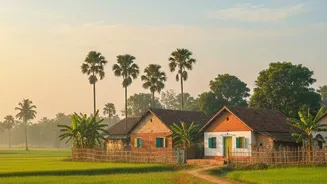
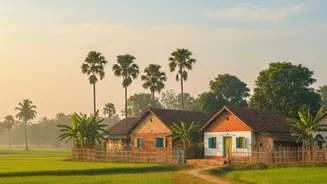
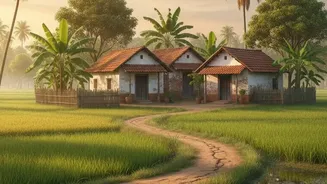
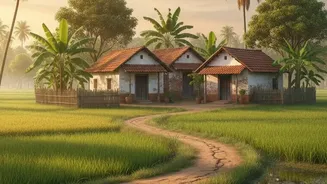
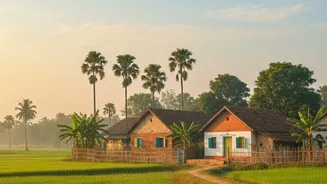
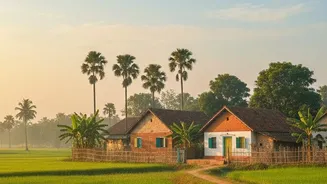
Known as 'Asia's Cleanest Village', Mawlynnong is a testament to community-led eco-tourism. Life here is simple and deeply connected to nature. You won't find bustling markets, but you will discover immaculate pathways, bamboo dustbins, houses with blooming
orchids, and the remarkable living root bridges nearby. It’s a place to walk, breathe clean air, and appreciate a sustainable way of life. The charm lies in its quiet order and the community's collective pride. The best time to visit is during the monsoon (May to July) when the landscape is lush and waterfalls are at their peak.
Ziro Valley, Arunachal Pradesh
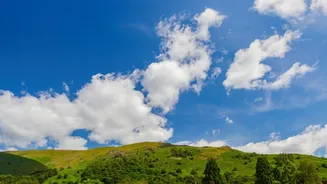
A UNESCO World Heritage tentative site, Ziro Valley is a lush expanse of rice fields and pine-clad hills, home to the Apatani community. While it hosts a famous music festival, visiting outside of that period reveals its true, tranquil nature. The holiday here is about slow exploration: walking through traditional Apatani villages like Hong, learning about their unique paddy-cum-pisciculture farming, and trekking to viewpoints like Kile Pakho for panoramic vistas. It’s an immersive cultural escape, far from the commercial tourist trail. The months from March to May and September to November offer the most pleasant weather.
Landour, Uttarakhand
Just a few kilometres above the bustling hill station of Mussoorie, Landour feels like a different world. As a cantonment town, it has escaped chaotic construction, retaining its colonial-era charm, quiet winding roads, and dense deodar forests. There are no loud markets here, only cosy cafes, old churches, and serene walking trails like the one to Lal Tibba. It’s the perfect antidote to a crowded city holiday, a place to read, walk, and do very little. The best times to visit are from April to June for pleasant summer weather or the quieter winter months for a colder, more solitary experience.
Mararikulam, Kerala
If you're dreaming of a beach holiday without the party crowds of Goa, Mararikulam is your answer. Located near Alleppey, this fishing village offers the serene Marari Beach, a long stretch of clean sand fringed with coconut palms. The vibe is relaxed and uncommercialised; you won't find rows of shacks or noisy water sports. Instead, you can watch fishermen bring in their daily catch, indulge in Ayurvedic treatments, or simply relax on the quiet shore. It’s a place for rejuvenation and experiencing the slow pace of coastal Keralan life. The peak season, with clear skies, runs from November to February.
Majuli, Assam
The world's largest inhabited river island, Majuli, floats on the mighty Brahmaputra River and offers a unique cultural and natural experience. Life here is dictated by the river's rhythm. The island is a hub of neo-Vaishnavite culture, home to ancient 'Satras' (monasteries) where you can witness traditional mask-making and dance forms. Exploring the island by bicycle, visiting Mishing tribal villages with their stilt houses, and watching the spectacular sunsets over the Brahmaputra are the main draws. It’s an offbeat destination that combines spirituality with serene landscapes.
Kibber, Himachal Pradesh
Located high in the Spiti Valley at an altitude of over 14,000 feet, Kibber is one of the highest inhabited villages in the world. With its whitewashed stone houses, a monastery, and surrounding barren landscapes, it’s a destination for those seeking solitude and raw, high-altitude beauty. Kibber is the gateway to the Kibber Wildlife Sanctuary, home to the elusive snow leopard. Life is simple, and the main activities involve acclimatising to the altitude, visiting the nearby Key Monastery, and taking in the profound silence. The summer months from June to September are the best time to visit when the roads are accessible.
Khimsar, Rajasthan
On the edge of the Thar Desert, Khimsar offers a royal and rustic experience away from the crowded cities of Rajasthan. The centerpiece is the 16th-century Khimsar Fort, now a heritage hotel, which provides a taste of regal history. The real low-key experience is found at the Khimsar Dunes Village, a cluster of eco-friendly huts nestled amidst vast sand dunes, accessible only by jeep or camel. Here, you can enjoy desert safaris, watch stunning sunsets, and spend quiet evenings under a blanket of stars. The ideal time to visit is during the cooler months from October to March.
Diskit, Ladakh
As the main village in the beautiful Nubra Valley, Diskit offers a more peaceful base than bustling Leh. Surrounded by apricot orchards and overlooked by the 14th-century Diskit Monastery, the village is a blend of natural beauty and spiritual calm. Its main attractions are the impressive 32-meter statue of Maitreya Buddha and the panoramic views of the Shyok River and valley below. From here, you can easily explore the famous Hunder sand dunes and see the double-humped Bactrian camels. While a popular region, the village itself maintains a slow pace, especially in the mornings and evenings. Summer (June to August) is the peak and best time to visit.