






Embrace Immunity-Boosting Spices
The monsoon brings a welcome drop in temperature but also a rise in humidity, creating a breeding ground for bacteria and viruses that can weaken our immunity. [6, 7] This is where your spice box comes to the rescue. Spices like turmeric, ginger, garlic,
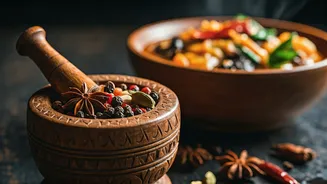
and black pepper are packed with anti-inflammatory, antiviral, and antibacterial properties. [13] Turmeric, with its active compound curcumin, is a natural antibiotic. [4, 16] Ginger and garlic are effective in preventing colds and coughs, which are common during this season. [5, 16] A simple way to incorporate these is by starting your day with warm herbal teas, adding them generously to your curries and soups, or making a traditional 'kadha'—a concoction of boiled water with tulsi, ginger, cloves, and pepper. [6, 7]
Choose Your Fruits and Vegetables Wisely
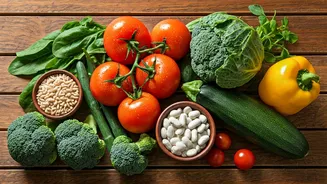
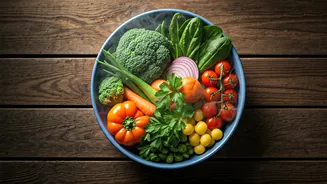
While fruits and vegetables are essential, the monsoon calls for careful selection. Opt for seasonal fruits like jamun, pears, plums, cherries, peaches, and pomegranates. [3, 10] These are rich in antioxidants and vitamins that strengthen the immune system. When it comes to vegetables, it's best to be cautious with leafy greens like spinach and cabbage. The dampness and grime can make them a host for germs. [16, 21] If you do consume them, ensure they are washed thoroughly and cooked well. A safer bet is to favour gourds like bottle gourd (lauki), bitter gourd (karela), and ridge gourd (tori), which are in season and excellent for gut health. [3, 13] Steaming or cooking vegetables is highly recommended over eating them raw in salads. [14]
Go Light on Grains and Proteins
According to Ayurveda, our digestive fire, or 'agni', is weaker during the monsoon. [6] Heavy meals can lead to bloating, indigestion, and other stomach issues. It’s a good time to switch to lighter, easily digestible foods. [20] Opt for grains like oats, barley, and moong dal, which are gentle on the stomach. A warm bowl of khichdi made with rice and moong dal is a perfect comfort meal for a rainy day. [15] While protein is important, it's advisable to limit heavy meat consumption. [10, 17] If you do eat non-vegetarian food, ensure it is fresh and cooked thoroughly. [21] Probiotic-rich foods like yogurt and buttermilk can be beneficial as they support gut health, which is closely linked to immunity. [4, 8]
Hydrate with Warmth
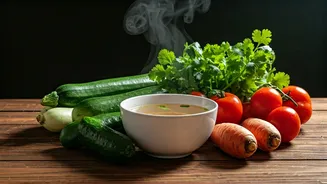
Staying hydrated is crucial, but it's not just about drinking water. During the monsoon, the risk of water contamination is high, so it's vital to drink boiled or filtered water. [10, 14] Beyond plain water, warm beverages are your best friend. Warm soups, broths, and herbal teas not only keep you hydrated but also provide comfort and can help fight off infections. [14, 18] A warm vegetable soup can be a light yet nutritious dinner. [10] Avoid carbonated and chilled drinks as they can weaken the digestive system and increase susceptibility to throat infections. [16, 20]
Navigating Cravings and Street Food
The craving for hot, fried snacks like pakoras and samosas is almost universal when it rains. While it’s okay to indulge occasionally in moderation, it's best to prepare them at home where you can ensure hygiene and control the amount of oil used. [11, 13] Street food, especially items like chaat and pani puri, should be largely avoided. [16, 21] The use of unpurified water in these preparations poses a significant risk of waterborne diseases like typhoid and diarrhoea. The joy of a rainy day snack shouldn't come at the cost of your health. [21]