

Two Worlds, One Fair
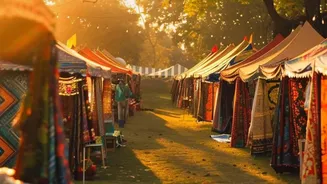
The Pushkar Mela is more than just the world's largest camel fair; it is a unique fusion of two distinct events. At its heart, it remains a centuries-old livestock market where thousands of herders bring their camels, horses, and cattle to trade on the dusty
fairgrounds. This bustling commerce unfolds alongside a deeply spiritual pilgrimage. The fair is timed to coincide with Kartik Purnima, the auspicious full moon night in the Hindu calendar. On this day, devotees flock to the sacred Pushkar Lake to take a holy dip, believing the waters cleanse them of their sins and bring salvation. This blend of the commercial and the spiritual gives the fair its unique, unforgettable character.
The Stars of the Show: Camels and More
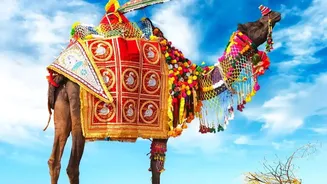
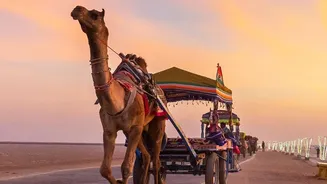
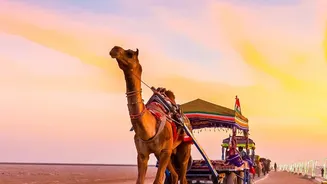
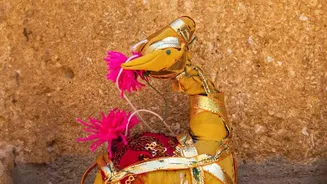
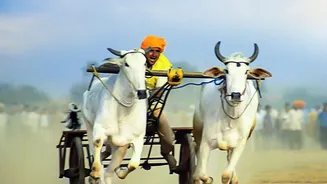
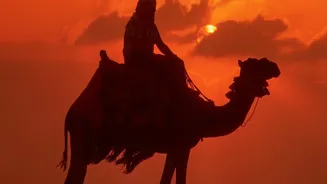
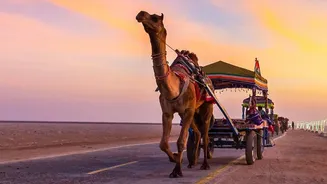
The main attraction for many is the livestock, particularly the camels. In the early days of the fair, from November 17 to 20, the grounds are thick with animals. Herders spend days grooming and decorating their prized camels with colourful fabrics, tassels, and bells, turning the dunes into a living spectacle. Beyond the serious business of trading, the fair hosts a variety of lively competitions. You can witness thrilling camel races, a 'best decorated camel' contest, and even a camel dance competition. While camels are the highlight, a significant number of Marwari horses and other cattle are also traded, making it a comprehensive livestock event.
A Carnival of Culture and Competition
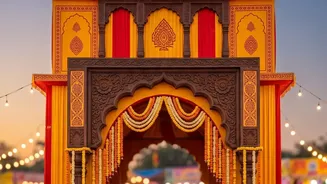
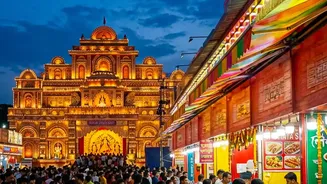
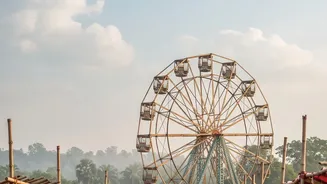
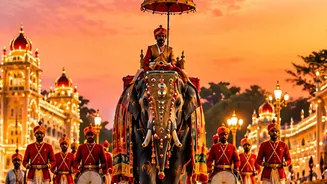
As the fair progresses, the focus shifts from trade to a vibrant cultural extravaganza organised by Rajasthan Tourism. The air fills with the sounds of folk music and the sight of traditional dancers performing routines like the Ghoomar and Kalbelia. The Mela ground becomes a stage for a series of quirky and entertaining competitions that draw huge crowds. Events like the 'longest moustache' contest, turban-tying competitions, a 'bridal competition', and the energetic 'matka phod' (pot breaking) provide endless entertainment and a glimpse into local traditions. In recent years, a friendly cricket match between local club members and international tourists has become a popular fixture.
The Spiritual Heartbeat of Pushkar
The fair culminates on Kartik Purnima, which falls on November 24, 2026. On this day, the spiritual energy of Pushkar is at its peak. Pilgrims gather at the 52 bathing ghats surrounding the sacred lake for the 'Kartik snan' or holy bath. The evening brings the magical sight of the Maha Aarti, where chants echo across the water and thousands of floating oil lamps (deepdaan) illuminate the lake. A visit to the Jagatpita Brahma Temple, one of the few temples in the world dedicated to Lord Brahma, is also a key part of the pilgrimage. According to legend, Brahma himself performed a great ritual at the lake, consecrating it forever.
Planning Your Visit for 2026
To make the most of your trip, it's wise to plan ahead. Accommodation, ranging from luxury desert tents to budget-friendly guesthouses, gets booked out weeks in advance. Pushkar is about 14 km from Ajmer, the nearest major railway station, and about 145 km from Jaipur, which has the main airport gateway. If you want to see the livestock trading at its most authentic, arrive in the first few days. For cultural events and the pilgrimage atmosphere, the days leading up to the full moon (around November 21-23) are ideal. Remember that Pushkar is a holy town, so alcohol and non-vegetarian food are prohibited. Dressing modestly, especially around temples and the lake, is advised.