


Why Your Balcony Matters
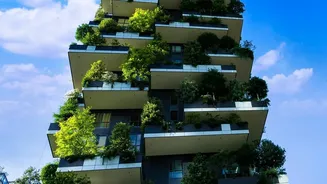
In the concrete landscape of our cities, patches of green act as crucial stepping stones for wildlife. For birds like sparrows and sunbirds, and pollinators such as bees and butterflies, a well-planted balcony is a service station. It provides nectar-rich
food, seeds, and safe places to rest and shelter from predators. By cultivating a few specific plants, you are not just decorating your home; you are actively supporting local biodiversity and weaving a richer natural fabric into your urban environment. This small effort helps sustain the creatures that are essential for a healthy ecosystem, even in the heart of the city.
The Welcoming Power of Marigolds
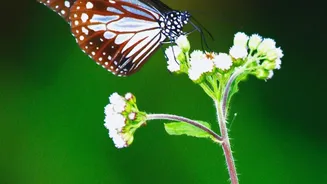
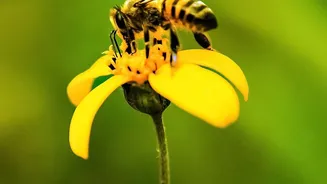
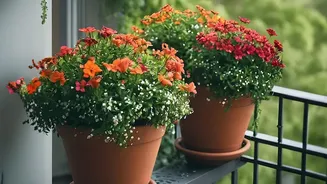
The cheerful Marigold, or 'Genda', is one of the easiest and most rewarding plants for an Indian balcony. Hardy and tolerant of the sun, these bright yellow and orange flowers are a magnet for bees and butterflies seeking nectar. But their service doesn't end there. Once the flowers fade, their seed heads provide a valuable food source for small, seed-eating birds. Marigolds are beginner-friendly, grow well in pots, and bloom for long periods, ensuring your balcony is a reliable food stop for visiting wildlife.
Hibiscus for the Nectar-Seekers
A classic in Indian gardens, the Hibiscus, or 'Gudhal', is a powerhouse for attracting nectar-feeding birds. Its large, trumpet-shaped flowers are perfectly designed for sunbirds to dip their beaks into. Butterflies are also frequent visitors to these vibrant blooms. While ornamental hybrids are beautiful, native hibiscus varieties are often even more beneficial for local wildlife. With its dense foliage, a hibiscus plant can also offer small birds a safe place to perch and take cover. It blooms frequently in warm climates, providing a consistent food source throughout the year.
Sunflowers: A Feast of Seeds
Sunflowers are not just for large fields; they can be grown in balcony pots and are incredibly welcoming to birds. While in bloom, they provide nectar for pollinators like bees. Their main attraction, however, comes later. The large flower heads produce a bounty of seeds, a high-energy feast for birds like sparrows, finches, and even parakeets. Growing a sunflower offers a complete cycle of giving: beauty and nectar first, followed by a nutritious meal that helps birds thrive.
Basil (Tulsi) for Pollinators and Shelter
A fixture in many Indian homes, Tulsi is valued for more than its sacred properties. When allowed to flower, its small blossoms attract a surprising number of bees, butterflies, and other beneficial insects. These insects, in turn, can become a food source for insect-eating birds. After flowering, the plant produces seeds that some birds will also consume. Its dense, bushy growth provides a warm and sheltered resting place, making it a multi-purpose addition to any balcony haven.
Beyond Plants: Complete the Habitat
While plants are the foundation, a few extra touches can make your balcony even more inviting. A shallow bowl of fresh water is one of the most effective ways to attract birds, who need it for drinking and bathing, especially during hot weather. You can also install a bird feeder with grains like millet (bajra) or broken rice to supplement the natural food sources. Finally, ensure the space is safe. Avoid using chemical pesticides, which can harm birds and the insects they feed on. Providing small twigs or natural fibres can also encourage birds to see your balcony as a potential nesting site.