



The Post-Monsoon Revival
Most of India's premier national parks, particularly in the central and northern regions, reopen in October or November after being closed for the monsoon season. This annual closure allows the ecosystem to rejuvenate and provides privacy for animals
during their crucial breeding periods. When the gates reopen, visitors are greeted by a landscape transformed. The forests are incredibly lush and green, the air is crisp and free of summer's dust, and water bodies are full. This period offers a unique combination of pleasant, cool weather and vibrant scenery, making for comfortable and picturesque safari drives. Unlike the sparse, dry conditions of late summer, this post-monsoon environment is brimming with life, creating a feast for the senses even before the first major sighting.
Territorial Tigers on the Move
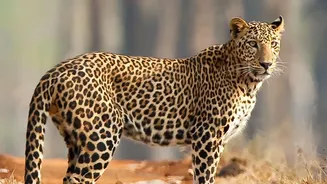
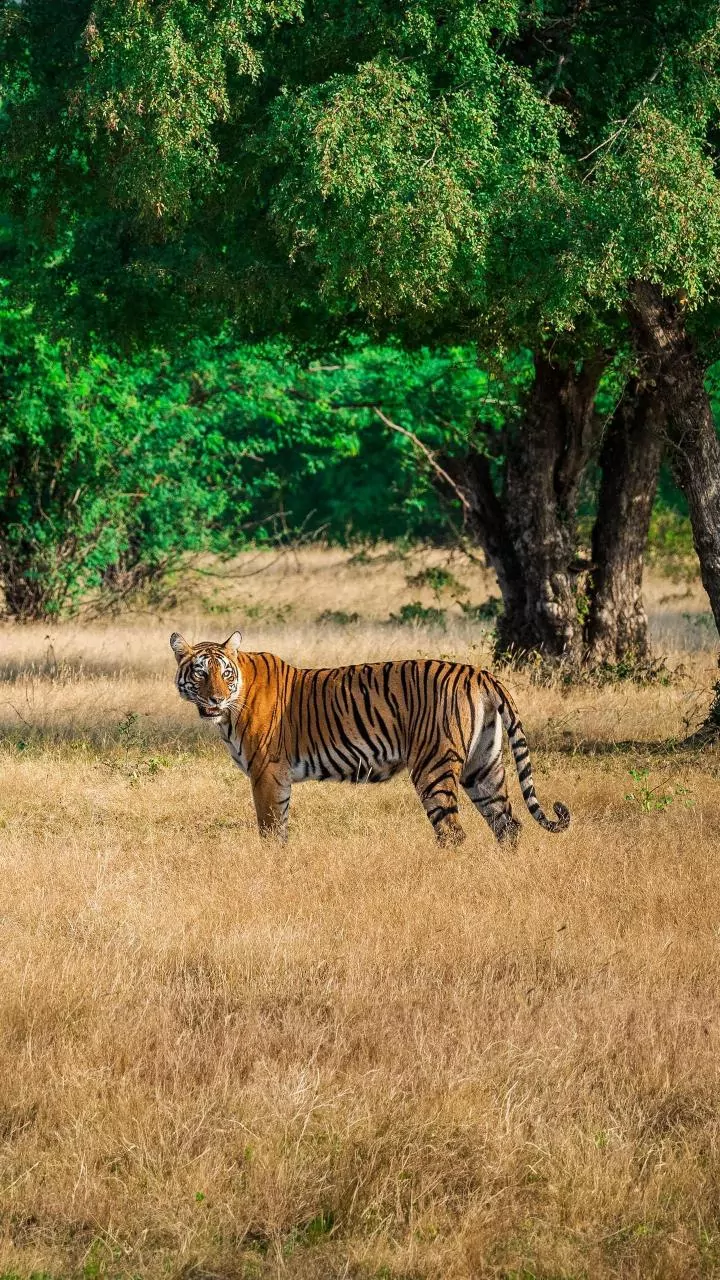
For many, the ultimate prize of an Indian safari is the majestic Bengal tiger. Early November can be an excellent time for sightings due to key behavioural shifts. After the rains, the moist earth holds scents more effectively. Tigers, being highly territorial, take advantage of this to re-establish their domains. They become more active, patrolling their boundaries, leaving scratch marks on trees, and scent-marking their territory to warn off rivals and attract mates. This increased movement heightens the chances of a safari group crossing paths with one. Furthermore, while the vegetation is lush after the monsoon, it begins to thin out by November, offering clearer lines of sight than in the preceding weeks. Tigers are often seen basking in the mild winter sun, a behaviour less common during the intense heat of summer, providing incredible photographic opportunities.
Herbivores Grazing in the Open
The abundance of fresh, green grass and foliage following the monsoon means that herbivores are in their element. Vast herds of spotted deer (chital), sambar deer, and other prey animals can be seen grazing contentedly in meadows and grasslands. With plentiful food and water, they spend more time in open areas rather than congregating solely around the few remaining waterholes, as they do in the peak of summer. This dispersal across the landscape increases general wildlife activity throughout the parks. The presence of large, healthy herds also means that predators are never far behind. An alert herd of deer, with ears pricked and tails raised, is often the first sign that a tiger or leopard is nearby, adding to the thrill of the chase.
A Paradise for Birdwatchers
November is a phenomenal month for birdwatching in India. It marks the beginning of the migratory season, when millions of birds fly from the cold northern regions of Europe and Siberia to winter in India's warmer wetlands and forests. Famous bird sanctuaries like Keoladeo National Park in Rajasthan become hubs of activity, but even the mainstream national parks see a dramatic increase in avian population. Species like the Siberian Crane, Greater Flamingo, and various ducks and geese begin to arrive, joining India's diverse resident bird population. The post-monsoon water bodies are ideal habitats for these visitors, and the air is filled with their calls. Whether you are a dedicated 'twitcher' or simply enjoy the ambient sounds of the jungle, the sheer volume and variety of birds add another rich layer to the safari experience.
Reptiles and Other Active Creatures
The larger mammals may be the main draw, but the jungle's smaller inhabitants also put on a show in November. The weather is cool but not yet cold, creating perfect conditions for reptiles. Crocodiles and gharials can be seen basking on riverbanks to regulate their body temperature. Snakes and monitor lizards are also more active, often spotted sunning themselves on rocks or safari tracks during the day. Furthermore, the period after the monsoon can be a time of emergence for unique and rarer species. The elusive Indian purple frog, for instance, surfaces primarily during and immediately after the monsoon for a few short weeks to breed before disappearing underground again. Paying attention to these smaller wonders provides a more holistic and rewarding appreciation of the intricate forest ecosystem.