



Getting There for Less
The dream of an Omani adventure is now far more accessible, primarily due to the increased connectivity offered by budget carriers. Airlines like IndiGo, Air India Express, and Oman's own SalamAir now operate frequent direct flights from major Indian
cities including Mumbai, Delhi, Kochi, and Bengaluru to Muscat. Flight times are typically short, around three to four hours, making it a convenient getaway. By planning in advance, backpackers can secure round-trip fares that are surprisingly affordable, often falling in the ₹15,000 to ₹25,000 range, which is a significant drop from just a few years ago. This shift has been a game-changer, placing Oman firmly on the map for Indian travellers who seek adventure beyond the usual Southeast Asian circuits.
Visa Simplified for Indian Travellers
Navigating visa processes can often be a deterrent for travellers, but Oman has made significant strides in simplifying entry for Indian passport holders. The most common route is the online e-Visa system, which is straightforward and typically processed within a few working days. Indian citizens can apply for various tourist visas, including 10-day and 30-day options. Furthermore, a crucial update for many travellers is that Indian passport holders with a valid visa from the US, UK, Schengen area, Canada, Australia, or Japan may be eligible for visa-free entry for up to 14 days, though it is essential to check the latest regulations on the official Royal Oman Police portal before travel.
Oman's Call to the Wild
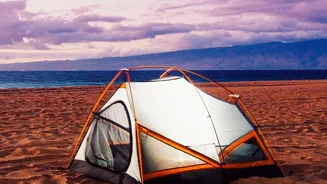
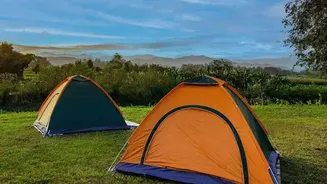
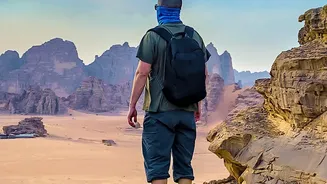
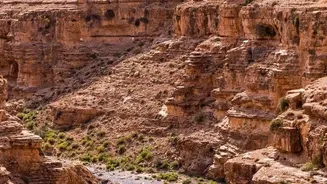
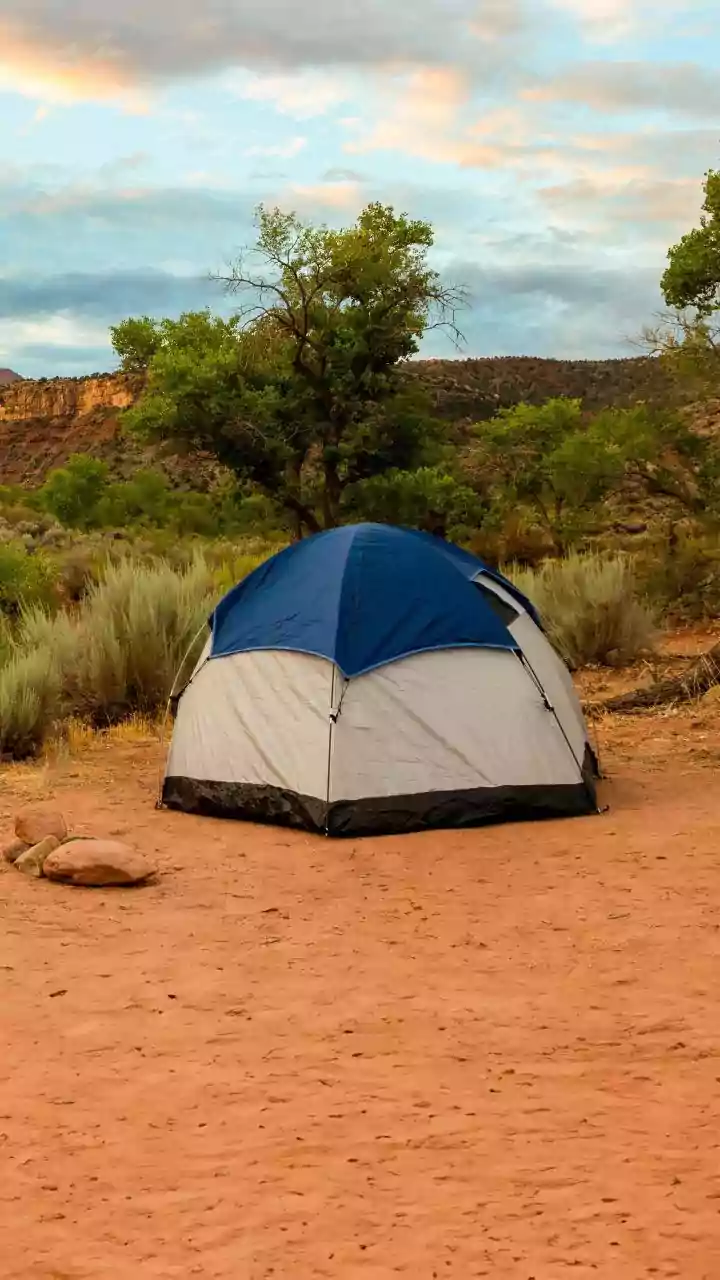
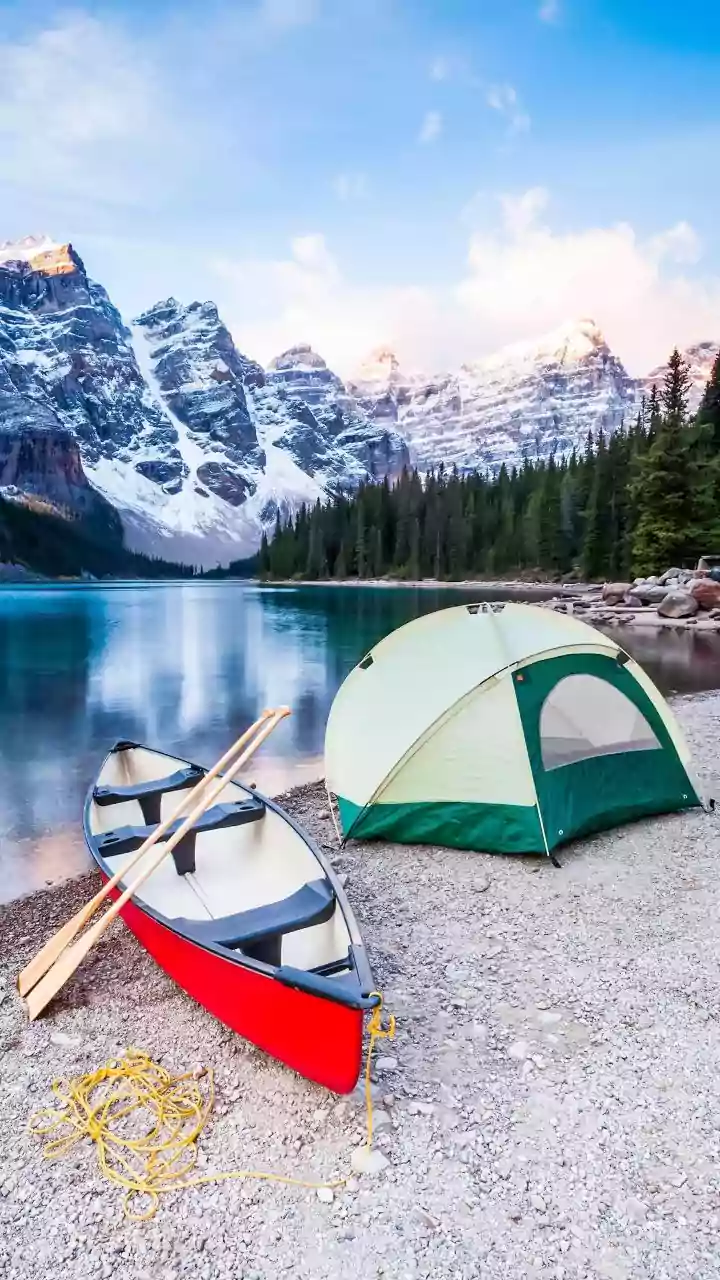
What makes Oman so alluring for backpackers is its raw, natural beauty and the freedom to explore it. Wild camping is legal and widely practiced, allowing travellers to pitch a tent under the stars almost anywhere, from deserted beaches to high mountain plateaus. Jebel Shams, the country's highest peak, is often called the 'Grand Canyon of Arabia' and offers breathtaking spots to camp along its rim. The country is also famous for its 'wadis'—riverbeds that form stunning green gorges with crystal-clear pools. Popular choices include Wadi Shab, which involves a hike to a hidden waterfall inside a cave, and Wadi Bani Khalid, known for its large, easily accessible swimming pools. These natural wonders offer a perfect escape from the desert heat and are the heart of Oman's adventure scene.
Navigating the Sultanate on a Budget
While flights have become cheaper, on-ground transportation is where costs can add up. Public transport is limited and primarily connects major cities, but it doesn't reach most of the natural attractions like wadis and mountain trails. For true flexibility, renting a car is the most recommended option. To keep costs down, many backpackers team up to rent a vehicle, especially a 4WD, which is necessary for accessing many off-road areas, including desert camps in the Wahiba Sands and some mountain tracks. Fuel is relatively inexpensive, which helps manage the budget on a self-drive trip. In Muscat, ride-hailing apps are available, but for a multi-day backpacking itinerary covering different regions, a rental car provides unmatched freedom.
Essential Tips for Indian Backpackers
To make the most of an Omani adventure, a little planning goes a long way. The best time to visit for hiking and camping is between October and April, when the weather is cooler and pleasant. Pack light, but include layers for chilly nights in the mountains, sturdy hiking shoes, swimwear, and plenty of sun protection. While Oman is a modern and welcoming country, it's important to be respectful of local Islamic culture; modest dress, especially when visiting villages and religious sites, is recommended. For food, you can find everything from high-end restaurants to affordable eateries serving delicious biryanis and shawarmas, especially in towns like Muscat and Nizwa. Wild camping is generally safe, but always be mindful of your surroundings, avoid camping in wadis if there's a chance of rain due to the risk of flash floods, and leave no trace behind.