





Friend 1: The Accessibility Expert
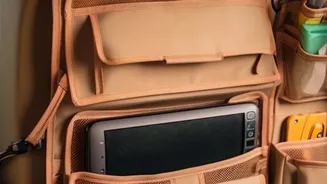
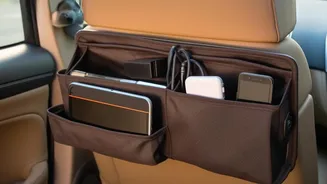
Nothing derails the start of a holiday faster than having to pull over and unpack half the boot just to find a snack, a charging cable, or a rain jacket. This is where the ‘essentials kit’ comes in. The trick is to dedicate one accessible bag or a small,
open-top bin to everything you’ll need either on the road or immediately upon arrival. This kit shouldn't go deep into the boot; keep it just inside the entrance or in the backseat footwell. Pack it with car-friendly snacks, drinks, a first-aid kit, wet wipes, phone chargers, and perhaps a change of clothes for the kids if they're likely to need them as soon as you arrive. By keeping these frequently used items separate and within arm's reach, you eliminate the need to disrupt your perfectly packed boot until you've reached your destination. It’s a simple shift that transforms the journey from a frantic rummage to a smooth, stress-free drive.
Friend 2: The 'Soft Bag' Convert
Hard-shell suitcases are great for air travel, but they are the enemy of an efficiently packed car boot. Their rigid shapes create awkward, unusable gaps, wasting precious space. The solution is to embrace soft-sided luggage like duffel bags or even sturdy canvas bags. These bags can be moulded and squeezed into the irregular nooks and crannies of your boot, maximising every available inch. Think of it like a game of Tetris: the rigid, blocky pieces are much harder to fit together than soft, flexible ones. This approach allows you to fill the gaps around larger, essential items. For an even greater space-saving advantage, use vacuum-sealed bags for clothes and towels. Not only will you fit significantly more, but you also protect your items from any potential spills along the way.
Friend 3: The Weight Distribution Guru
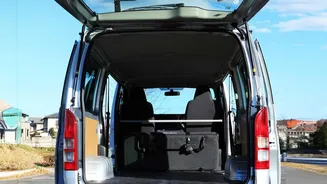
How you load the boot isn't just about fitting everything in; it's a matter of safety and vehicle performance. A badly balanced car can negatively affect its handling, especially on winding roads or at high speeds. The golden rule is to place the heaviest items on the bottom, as low down and as close to the centre of the car as possible. This means things like coolers, heavy camping equipment, or boxes of drinks should go in first, forming a stable base. Lighter, softer items can then be layered on top. This strategy prevents your vehicle from becoming top-heavy and unstable, and it also stops lighter, more fragile items from getting crushed during the journey. Always ensure your packed items don't obstruct your view out of the rear window. If you're running out of space, consider a roof box, but never compromise on visibility for the sake of an extra bag.
Friend 4: The Bin-and-Crate Champion
A common packing mistake is treating the boot like one giant container. This leads to a jumble of loose items that shift, get lost, or break in transit. The most organised travellers use a system of stackable bins or collapsible crates to bring order to the chaos. You can designate different bins for different categories: one for food and cooking supplies, another for beach gear, and a third for hiking equipment, for instance. Using clear plastic bins allows you to see the contents at a glance, saving time when you need to find something specific. This modular approach also allows you to use the boot's vertical space more effectively. Bins and coolers can create a solid foundation, upon which you can stack other bags and equipment. When you arrive, you can simply carry each bin to where it needs to go, making unpacking as organised and painless as the packing itself.