








More Than Just a Passing Wave
For residents of cities like Mumbai, Chennai, and Goa, the rhythm of the tides has become a significant factor in daily life, especially during the monsoon. When heavy rains coincide with a high tide—particularly tides rising above 4.5 metres—the city's
drainage systems struggle to empty rainwater into the sea. This combination can lead to rapid waterlogging in low-lying areas, turning a pleasant drive into a standstill traffic jam and flooding coastal roads. Municipal bodies like the Brihanmumbai Municipal Corporation (BMC) now release detailed high-tide calendars for the monsoon months, urging citizens to be cautious. These advisories, once the concern of fishermen and sailors, are now essential reading for anyone planning to step out.
How to Stay Ahead of the Tide
So, how do you make the sea your ally instead of your adversary? The first step is to treat tide timings like a weather forecast. Official sources are your best bet for accurate information. The BMC, for instance, provides live updates and schedules on its disaster management website. Many weather apps and dedicated tide-forecasting websites also offer real-time data for your specific location. For today, July 1, 2026, a high tide is predicted for Mumbai in the afternoon. Knowing these peak hours allows you to plan your travel and activities to avoid being caught off guard by flooded streets or inaccessible seafronts.
Your High-Tide Weekend Guide
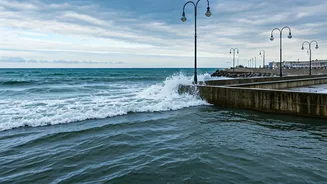
Once you have the timings, adjusting your plans becomes much easier. If a high tide is forecast, especially alongside a heavy rain warning, it’s wise to avoid sea-facing promenades like Marine Drive or Bandra Bandstand. That picturesque walk or jog can quickly become dangerous with powerful waves crashing over the barriers. Similarly, beach plans should be flexible. Authorities often restrict access to beaches and deploy extra lifeguards during these periods for public safety. Think about your commute as well. Major arterial roads near the coast are prone to waterlogging, so it’s a good day to explore inland attractions, visit a mall, or catch a movie. Having a fun backup plan means the tide won't wash out your weekend.
A City Adapting to a New Reality
This heightened awareness isn't just for individuals; the cities themselves are adapting. Beyond issuing warnings, municipal corporations are deploying flood rescue teams and ensuring emergency services are on high alert during critical tide days. In the long term, urban planners are grappling with the larger issues of rising sea levels and the loss of natural barriers like mangroves, which once offered significant protection against tidal surges. Some areas are experimenting with infrastructure like sea walls and geotextile tubes to mitigate coastal erosion and protect properties. This shift shows that incorporating tidal patterns into our planning is becoming a fundamental aspect of urban coastal living in India.