






Understanding the Enemy: Humidity
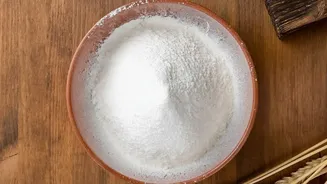
The monsoon brings high levels of moisture into the air, and this humidity is the primary culprit behind most baking woes. Many core baking ingredients, including flour, sugar, salt, and leavening agents like baking powder, are hygroscopic. This means
they readily absorb moisture from their surroundings. When these dry ingredients soak up water from the air, their chemical and physical properties change. Flour can become lumpy and even develop a musty smell, sugar and salt form hard clumps, and baking powder loses its power, leading to flat, dense cakes. Understanding this scientific process is the first step to counteracting it effectively.
Your First Line of Defence: Airtight Containers
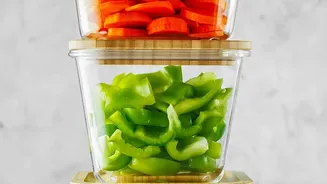
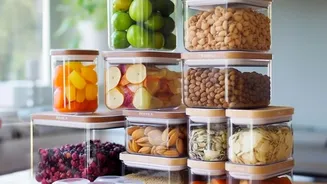
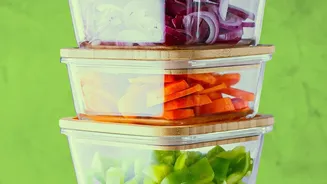
The single most impactful upgrade for your monsoon kitchen is investing in proper airtight containers. Transferring ingredients from their original paper or plastic bags into sealed containers immediately after purchase is a non-negotiable step. Look for options with a silicone gasket or a robust locking mechanism to create a true seal against moisture. While BPA-free plastic is a common choice, glass and stainless steel are often superior as they do not absorb odours and provide an excellent barrier against humidity. For items like spices, smaller glass jars are ideal as they don't hold onto strong scents after washing.
Location, Location, Location
Where you store your containers is just as important as the containers themselves. Even an airtight jar can't protect its contents if it's stored in a damp or steamy environment. Keep your baking station away from sources of moisture like the sink, the stovetop, and windows. A cool, dark, and dry cupboard or pantry is the ideal home for your ingredients. Heat and steam can cause condensation both outside and inside containers, compromising the dryness you're working so hard to maintain. During the monsoon, it's also wise to avoid overfilling cupboards to allow for better air circulation.
Simple Tricks to Banish Moisture
Beyond good containers and smart placement, several traditional and modern hacks can help keep your ingredients bone-dry. Placing a small pouch of uncooked rice in your sugar or salt container is a classic Indian household practice that works wonders. The rice acts as a natural desiccant, absorbing excess moisture. For a more powerful solution, food-grade silica gel packets can be placed in containers to keep ingredients like spices and sugar perfectly dry; just be sure to replace them periodically. Another useful tip is to lightly dry-roast ingredients like semolina (suji) or flour before storing them to remove any existing moisture and extend their shelf life.
Special Care for Sensitive Ingredients
Not all ingredients follow the same rules. Brown sugar, for instance, needs to retain some moisture to stay soft; store it in a very well-sealed container. Nuts, seeds, and dry fruits contain oils that can turn rancid in humid conditions, so it's best to store them in airtight containers in the refrigerator. Spices, especially ground ones, lose their aroma and potency quickly when exposed to humidity. Consider buying whole spices and grinding them in small batches as needed. Leavening agents like baking powder and soda are particularly vulnerable to moisture, which can activate them prematurely and render them ineffective. Store them in their original containers, placed inside another airtight box for double protection.