




The Core Dilemma: Fresh Air vs. High Humidity
The main challenge during a wet monsoon spell is the significant increase in atmospheric humidity. While fresh air is crucial for preventing stuffiness and removing indoor pollutants, opening windows can invite excess moisture inside. This dampness makes
the air feel heavy and sticky, and more importantly, creates the perfect breeding ground for mould, mildew, and dust mites. These can trigger allergies, worsen respiratory conditions like asthma, and leave a persistent musty odour on walls, furniture, and clothes. Therefore, monsoon ventilation isn’t a simple matter of open versus closed; it’s about strategic timing and understanding the airflow in your home.
The Best Times to Open Your Windows
Timing is everything. You should aim to ventilate when the outdoor air is relatively drier or cooler than the air inside your home. The best opportunities are often in the early morning or during lulls in the rain when a breeze picks up. Opening windows for just 10-15 minutes after a rain shower can be surprisingly effective. The rain can help to wash pollutants and dust from the air, making it feel fresher. Letting in sunlight whenever possible is also a powerful natural disinfectant, as its UV rays help kill mould spores and dry out damp surfaces.
Mastering Cross-Ventilation
One of the most effective natural ventilation techniques is cross-ventilation. This involves opening windows or doors on opposite sides of a room or house to create a channel for air to flow through. This constant movement of air is highly efficient at flushing out stale, humid air and replacing it with fresher, cooler air from outside. To maximize its effect, try creating an unobstructed path for the air to travel. Even a slight breeze can create significant air exchange, reducing indoor humidity and helping to prevent the buildup of mould and unpleasant smells.
When You Should Keep Windows Firmly Shut
It’s crucial to keep windows closed during heavy downpours to prevent water from getting inside and causing dampness. You should also avoid opening windows when the outdoor humidity is extremely high, as you will only be letting more moisture into your home. If the air outside feels thick and heavy, and there's no breeze, ventilating will likely make your indoor environment more uncomfortable. In urban areas, it’s also wise to keep windows shut during peak traffic hours to avoid letting in outdoor pollution, which can get trapped in the humid indoor air.
Lean on Your Fans and Exhausts
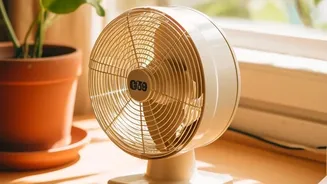
Mechanical aids are your best friend during the monsoon. Always use the exhaust fan in your kitchen while cooking and in your bathroom during and after a shower for at least 15-20 minutes. This vents steam and moisture directly outside before it can spread through your home. Ceiling fans and standing fans are also useful tools. While they don't reduce humidity, they improve air circulation, which helps sweat evaporate from your skin, making you feel cooler and more comfortable. Keeping the air moving also helps dry damp surfaces faster.
The Role of Air Conditioners and Dehumidifiers
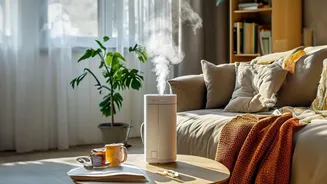
Air conditioners do more than just cool the air; they are also effective at removing moisture. Running your AC, even for short periods, can significantly reduce indoor humidity levels, providing relief from that sticky, clammy feeling. For homes in extremely humid areas or with persistent dampness issues, a dedicated dehumidifier is an excellent investment. These appliances are designed specifically to pull excess moisture from the air, helping to maintain an ideal indoor humidity level of between 30% and 50%, which is crucial for preventing mould growth.