







The Theatre of Clouds
The Indian summer monsoon is a complex system driven by the temperature difference between the rapidly heating landmass and the cooler Indian Ocean. This differential creates a massive low-pressure zone over the northern plains, acting like a magnet that
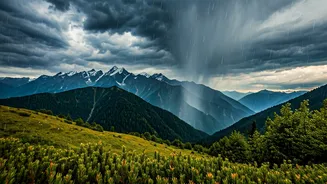
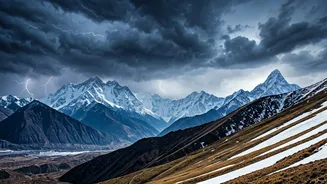
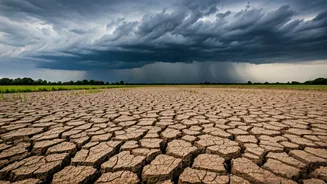
pulls moisture-laden winds from the sea. As these southwesterly winds travel over thousands of kilometres of ocean, they gather immense amounts of water vapor. By the time they reach the subcontinent, they are a formidable force, ready to unleash life-giving rains. In North India, this arrival is often dramatic. Towering cumulonimbus clouds build up, creating a breathtaking spectacle against the backdrop of the plains and foothills, signalling a sudden drop in temperature and a welcome respite from the scorching summer heat.
The Himalayan Barrier
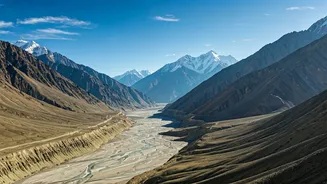
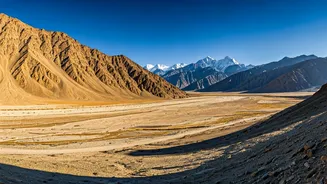
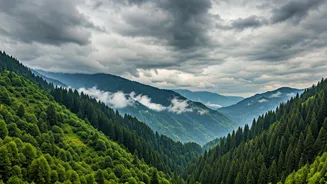
The single most important geographical feature defining the North Indian monsoon is the Himalayas. This colossal mountain range acts as an impassable barrier to the moisture-heavy winds. Unable to cross into Central Asia, the clouds are forced to rise. This process is known as orographic lift. As the moist air is pushed upwards, it cools and condenses, forcing it to release its moisture as heavy, sustained rainfall on the windward, southern slopes of the mountains. This effect is responsible for the incredibly high rainfall in the Himalayan foothills and the northeastern states, creating some of the wettest places on Earth. Without the Himalayas, these monsoon winds would blow over the subcontinent, leaving it a far drier, more arid region. The mountains essentially trap the monsoon, ensuring the northern plains receive the rain that is vital for agriculture and replenishing major rivers like the Ganges and Brahmaputra.
The Forest's Embrace
While the hills direct the rain, the forests manage it. The dense, multi-layered tropical deciduous and evergreen forests of North India act like a giant sponge. The broad leaves of trees like Sal and Teak intercept rainfall, softening its impact and reducing soil erosion on the fragile slopes. The intricate network of roots holds the soil together, while the rich, humus-filled forest floor absorbs vast quantities of water. This water is then released slowly into streams and underground aquifers, ensuring a steady supply long after the rains have stopped. Furthermore, forests contribute to the rainfall itself through a process called evapotranspiration, where trees release water vapor into the atmosphere. This recycled moisture can account for a significant portion of the precipitation, especially in the latter half of the monsoon season in North India. Deforestation weakens this crucial link, leading to reduced rainfall, faster runoff, and a greater risk of both floods and droughts.
A Delicate, Interwoven System
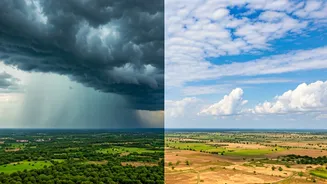
The monsoon in North India is more than just a weather event; it is a complex, interwoven system where geography and atmosphere are in constant dialogue. The clouds carry the moisture, the hills dictate where it falls, and the forests ensure it is absorbed and sustained. This delicate balance supports immense biodiversity, feeds the rivers that are the lifeline for hundreds of millions of people, and shapes the cultural rhythms of the entire region. As climate change alters rainfall patterns and deforestation pressures mount, this intricate dance becomes more vulnerable. Understanding the distinct roles of the clouds, forests, and hills isn't just a matter of appreciating nature's grandeur; it is fundamental to recognising the fragility and importance of one of India's most vital life-support systems.