



Why Permits Are a Necessity
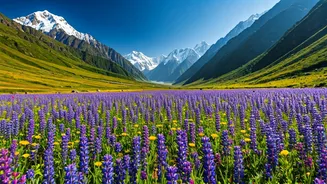
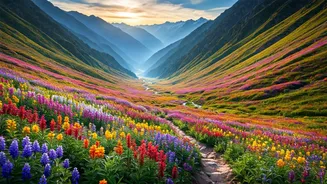
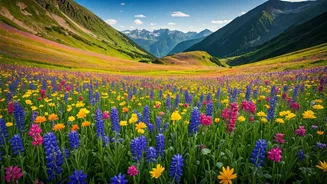
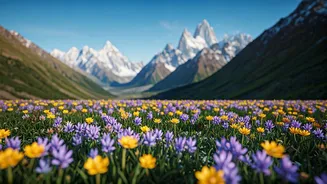
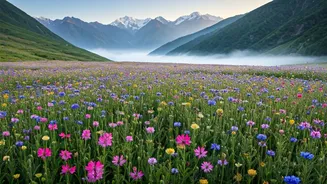
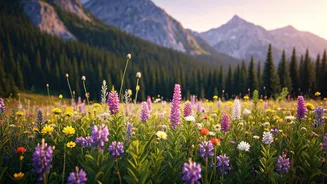
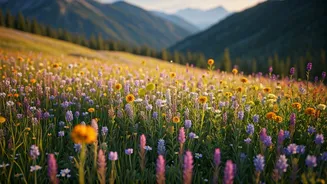
The Valley of Flowers is a fragile ecosystem, home to hundreds of species of rare alpine flowers and medicinal plants. To protect this biodiversity, the Uttarakhand Forest Department regulates entry. A permit system is in place to control the number of daily
visitors, ensuring the valley is not damaged by unregulated tourism. Since 2017, a cap of just 300 visitors per day has been enforced, making advance planning crucial, especially during the peak flowering season. Without a valid permit, entry is not possible, and with limited daily slots, those who don't plan ahead risk being turned away.
The New Online Permit System for 2026
A significant update for the 2026 season is the emphasis on online registration. The Forest Department has launched an official portal (valleyofflower.uk.gov.in) where trekkers can book their slots in advance. This is a major shift from previous years when most permits were issued offline at the forest check post in Ghangaria. While an offline counter may still exist for those unable to book online, relying on it during the busy months of July and August is a gamble. Booking online is now the recommended and safest way to secure your entry. The process requires you to select your entry date, provide traveller details with a valid government ID (like an Aadhaar card for Indians or a passport for foreigners), and pay the fee online.
Permit Costs and Validity
For the 2026 season, the entry fee for Indian citizens and SAARC nationals is ₹200 per person. For foreign nationals, the fee is ₹800. A key benefit is that this permit is valid for three consecutive days. This allows you to explore different parts of the valley over multiple days during your stay in Ghangaria without needing to purchase a new permit each time. Children under 12 can typically enter for free. Always carry the original ID used for the booking, as it will be cross-checked with your permit at the entry gate.
The Trekking Season and When to Book
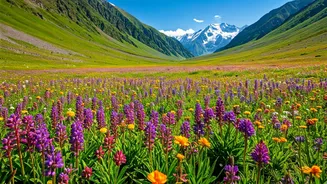
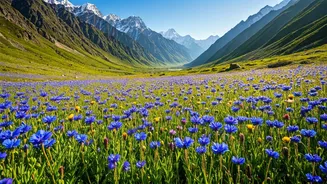
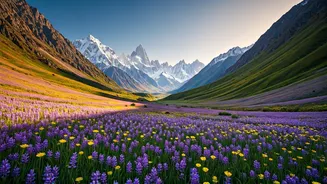
The Valley of Flowers opens to the public from June 1st to October 31st. The best time for peak bloom is from mid-July to mid-August, when the valley is carpeted with flowers like the famous Himalayan Blue Poppy and Brahma Kamal. This is also the busiest period. To avoid disappointment, you should aim to book your permits as soon as your travel dates are firm, ideally several weeks in advance. The online portal typically goes live a few days before the park's opening on June 1st. For those who prefer fewer crowds, June offers lush greenery, while September provides clearer skies and autumn colours.
Planning Your Stay in Ghangaria
Securing your park permit is only one part of the planning. Ghangaria, the base village for the trek, is the only place with accommodation, as overnight stays are strictly forbidden inside the valley. This small settlement serves every trekker and pilgrim heading to the Valley of Flowers and Hemkund Sahib, so rooms fill up fast. It is essential to book your guesthouse or hotel in Ghangaria at least four to six weeks in advance for a trip in July or August. Options range from basic guesthouses and the government-run GMVN Tourist Rest House to a few private hotels offering slightly more comfort.