



The Pre-Streaming World
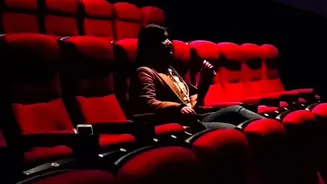
For decades, the business of Indian cinema followed a well-defined path. A film's success was almost singularly measured by its box office collections. Theatrical release was the primary engine of revenue and cultural validation, creating a clear hierarchy.
Big-budget films with major stars dominated the festive release windows, and their theatrical run was followed, much later, by satellite television premieres and physical media sales. This model was predictable. Producers and distributors focused on maximising theatrical footfall, as this was the largest and most crucial piece of the revenue pie. Other rights, like music and television, were significant but secondary streams. This system dictated what kind of films were made, who was cast, and how they were marketed to the public.
The OTT Disruption
The arrival of Over-the-Top (OTT) streaming platforms like Netflix, Amazon Prime Video, and Disney+ Hotstar began as a slow creep and then turned into a tidal wave. Initially seen as a repository for older films, their role exploded during the pandemic. With cinemas shut, streaming platforms became a lifeline for the industry, offering a direct-to-digital release model that provided essential cash flow for producers. Over 300 films premiered online between 2020 and 2022. This period fundamentally altered viewing habits. Audiences grew accustomed to accessing new movies from home, and filmmakers discovered a lucrative new revenue stream. A deal with a major streaming platform could sometimes outweigh the uncertain financial returns of a theatrical run, especially for mid-budget or experimental films.
The Great Box Office Comeback
Just when it seemed like streaming might eclipse cinemas for good, audiences returned to theatres with a vengeance, but with a crucial new condition: the film had to be a spectacle. Post-pandemic, massive, star-driven blockbusters began posting record-breaking numbers. In 2025, the Indian box office hit an all-time high of ₹13,000 crore, a 14% increase from 2024. This resurgence, however, came with a new clarity. Audiences were willing to pay for the big-screen experience for event films, but preferred to wait for mid-sized dramas and comedies to arrive on streaming platforms. This has created a clear bifurcation in the market. As a result, the industry has firmly reverted to a theatre-first model for its biggest bets, pushing the exclusive theatrical window back to a standard of about eight weeks.
A New Economic Reality
The dynamic between streaming and theatres has created a more complex, but potentially more robust, business model. While theatrical collections boomed, digital rights revenue for films actually declined by 7% in 2025. Streaming platforms, having spent heavily on film acquisitions during the pandemic, have become more selective. Direct-to-digital film premieres fell by 50% from 2024 to 2025. Instead, a film's strong performance at the box office is now seen as a key driver for its viewership once it lands on a streaming service. At the same time, producers of big-budget 'pan-India' films are de-risking their massive investments by pre-selling digital and satellite rights for substantial sums, sometimes recovering over half the production cost before the theatrical release. This allows studios to take bigger creative swings, knowing a significant portion of their budget is already secure.
The Coexistence Model
The future of India's film business is not a case of 'either/or' but 'both/and'. Theatres and streaming services are settling into a symbiotic relationship. Theatres are solidifying their position as the home for immersive, large-scale event cinema that demands a communal viewing experience. OTT platforms, in turn, are becoming the primary stage for diverse, niche, and director-driven storytelling that might have struggled to find theatrical footing in the past. This has broadened the definition of a successful film. Streaming has also broken down regional language barriers, with over 50% of viewership for regional films coming from outside their home states. This hybrid model is forcing everyone to innovate, creating a more dynamic and diverse ecosystem for creators and audiences alike.