

Beyond the Daily Chai
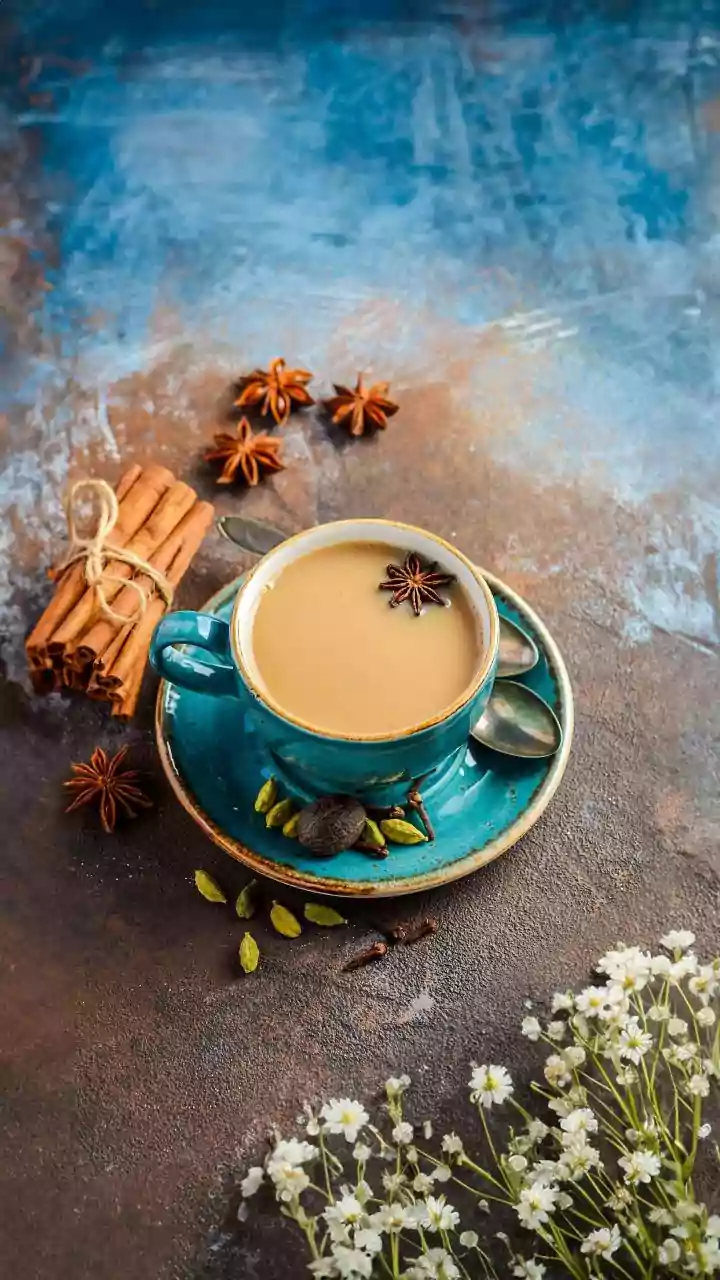
When we think of tea in India, we often picture a milky, sweet, spiced chai. While beloved, this preparation is worlds away from the traditional wellness brews of the Himalayas. In high-altitude regions like Uttarakhand and Ladakh, locals have for generations
consumed potent infusions made from flowers, berries, and leaves, served without milk or often even sweeteners. This milk-free approach isn't just a matter of taste; it is believed to allow the full spectrum of the plants' delicate bioactive compounds to be absorbed, offering benefits that dairy proteins might otherwise hinder. These are not just beverages but a form of traditional medicine, designed to heal, energise, and protect the body against harsh mountain conditions.
Buransh: The Heart-Healing Flower
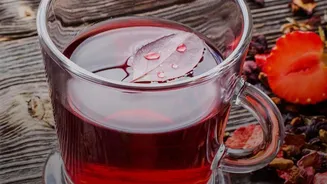
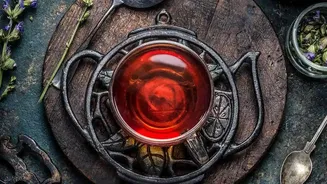
One of the most cherished Himalayan infusions is made from the vibrant red flowers of the Rhododendron arboreum, known locally as 'Buransh'. Traditionally, this floral tea is consumed to support heart health, with studies suggesting its rich flavonoid content may help manage cholesterol and blood pressure. Buransh tea is also a powerhouse of antioxidants and anti-inflammatory compounds, making it a go-to remedy in Himalayan households for soothing digestive issues, boosting immunity, and fighting seasonal ailments like coughs and colds. Its flavour is surprisingly delicate—mildly sweet and tangy—offering a refreshing experience that is both calming and rejuvenating.
Seabuckthorn: A Tiny Berry, A Nutritional Giant
Another jewel of the Himalayas is Seabuckthorn, a hardy shrub that produces bright orange berries. Often called a 'superfruit', its nutritional profile is staggering. Seabuckthorn tea, made from dried berries or leaves, is loaded with over 190 bioactive compounds. It contains up to 15 times more Vitamin C than an orange, making it a formidable immune booster. Furthermore, it is one of the plant kingdom's rare sources of all four omega fatty acids—3, 6, 9, and the elusive Omega-7—which are vital for skin health, promoting a natural glow and supporting cell repair. Traditionally used to improve digestion and cardiovascular health, this caffeine-free tea is a true wellness tonic.
The Whole Ingredient Advantage
The secret to the potency of these Himalayan teas lies in their preparation. They are typically made using whole, sun-dried flowers, leaves, or berries. This minimal processing ensures that the plant's natural essential oils, antioxidants, and delicate compounds remain intact. When you brew whole-leaf or whole-flower tea, the ingredients have space to unfurl and expand, releasing their full flavour and therapeutic properties into the water. This is a stark contrast to many commercial products, where the raw materials are often heavily processed.
The Commercial Tea Bag Contrast
Many commercial tea bags, on the other hand, contain 'fannings' or 'dust'—the tiny, leftover particles from the processing of whole-leaf teas. These smaller fragments have a larger surface area, which can lead to a quicker, but often harsher and more bitter, release of tannins. The essential oils, which carry much of the flavour and aroma, can dissipate from this broken material long before it reaches your cup. Furthermore, the paper bags themselves, sometimes bleached or sealed with plastic, can affect the taste. While convenient, the industrial scale of production often prioritises shelf stability and consistency over the nuanced, potent qualities of handcrafted, whole-ingredient teas.