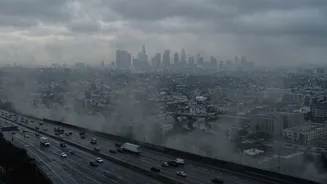





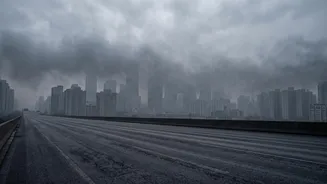
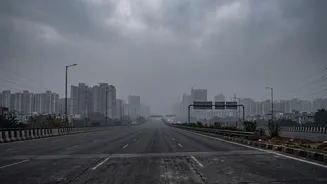
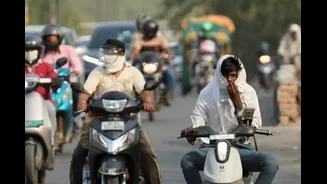
The Air Quality Hits 'Poor'
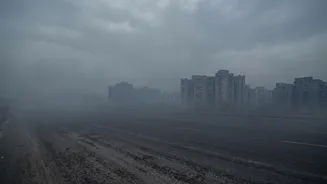
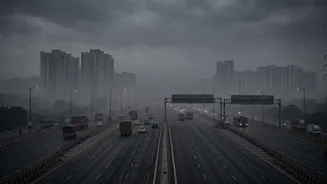
On October 21, Delhi's average Air Quality Index (AQI) jumped significantly, moving from 'moderate' (179) to the 'poor' category (244) in just one day. This deterioration, recorded by the Central Pollution Control Board (CPCB), officially marks the beginning
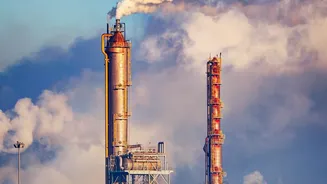
of the city's annual struggle with air pollution. The Commission for Air Quality Management (CAQM), the statutory body responsible for the region's air, acted swiftly as forecasts from the IMD and IITM predicted the air quality would likely remain 'poor' in the coming days. This decline is attributed to a combination of factors, including calm winds that trap pollutants and the after-effects of Dussehra celebrations.
What is GRAP?
Think of the Graded Response Action Plan (GRAP) as an emergency rulebook for Delhi-NCR. First notified in 2017 following a Supreme Court order, it’s a pre-emptive plan to stop air quality from getting worse. Instead of reacting after the air becomes hazardous, GRAP lays out specific actions for different levels of pollution, triggered by AQI readings. The plan has four stages: Stage I for 'Poor' air (AQI 201-300), Stage II for 'Very Poor' (AQI 301-400), Stage III for 'Severe' (AQI 401-450), and Stage IV for 'Severe Plus' (AQI above 450). When a new stage is invoked, the measures from all previous stages also remain in effect.
What Happens Under Stage 1?
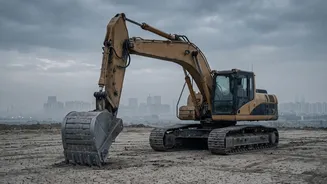
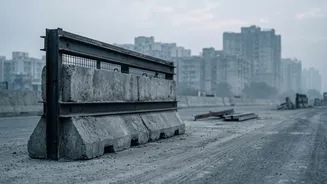
With GRAP Stage 1 now in effect across the entire NCR, a range of anti-pollution measures are being enforced. The focus is heavily on controlling dust and vehicular emissions. Key actions include intensifying mechanized road sweeping and water sprinkling, especially on high-traffic corridors. Strict vigilance is required at all construction and demolition sites to ensure dust control norms are followed, and projects larger than 500 sqm must be registered on a government web portal for monitoring. There's a ban on open burning of waste and on the use of coal and firewood in tandoors at hotels and restaurants. Furthermore, authorities will step up checks on vehicles to ensure they have valid Pollution Under Control (PUC) certificates.
How Does This Affect Residents?
For the general public, GRAP-1 means being more conscious of compliance. If you own a vehicle, ensuring your PUC certificate is up-to-date is critical to avoid fines during stricter enforcement drives. For those in the restaurant business, the ban on coal-fired tandoors means switching to cleaner alternatives like electricity or gas. The use of diesel generator sets is also restricted, permitted only for emergency and essential services. Additionally, inter-state buses from neighboring states cannot enter Delhi unless they are electric, CNG-powered, or compliant with BS-VI diesel norms. While there are no major restrictions on private vehicle movement or construction activity at this stage, the measures are designed to curb pollution at its source before the air quality deteriorates into the 'Very Poor' or 'Severe' categories.
Why Now and What's Next?
Invoking GRAP is a proactive step. As winter approaches, meteorological conditions in Delhi change. Lower temperatures and slower wind speeds create a trapping effect, where pollutants hang low in the atmosphere, making the air harder to breathe. By implementing these measures now, the CAQM aims to get ahead of the problem. This is just the first line of defence. All agencies have been directed to maintain strict vigil, as a further dip in air quality will trigger the more stringent measures of Stage II and III, which could include bans on certain types of construction and vehicle restrictions. Citizens are also advised to do their part by minimizing activities that contribute to pollution and taking health precautions.