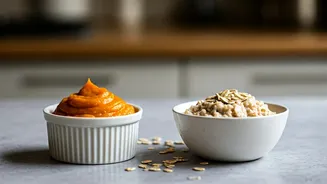






Why Vets and Owners Love Pumpkin
Pumpkin isn't just a seasonal decoration; it's a nutritional powerhouse for our canine companions. Its biggest claim to fame is its high soluble fibre content. This works wonders for your dog's digestive system, helping to regulate bowel movements. It can add
bulk to stool to help with diarrhoea and also soften it to relieve constipation, making it a uniquely versatile tummy tamer. Beyond fibre, pumpkin is packed with essential vitamins and minerals. It’s rich in Vitamin A, which is crucial for vision and immune health, as well as Vitamin C, potassium, and antioxidants. Plus, its high water content can help keep your dog hydrated, which is an often-overlooked aspect of their diet.
The Most Important Rule: Plain Pumpkin Only
Before you head to the grocery store, this is the most critical piece of advice: you must use 100% pure, unsweetened pumpkin puree. Do not, under any circumstances, feed your dog pumpkin pie filling. The pie mix is loaded with sugar, which is unhealthy for dogs and can lead to weight gain and dental issues. More dangerously, it often contains spices like nutmeg, which can be toxic to dogs, and sometimes includes the artificial sweetener xylitol, which is extremely poisonous to them. Always check the label. It should have only one ingredient: pumpkin. You can also make your own puree by roasting a fresh pumpkin and blending the flesh, but ensure you don't add any salt, sugar, or spices.
Creating a Simple, Sustainable Routine
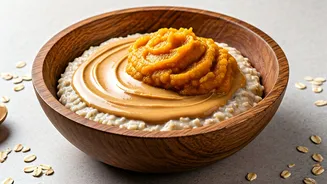
The key to seeing benefits is consistency. A 'pumpkin routine' means incorporating it into your dog's diet regularly, not just as a one-off treat. A fantastic and easy way to do this is to portion out canned pumpkin puree into an ice cube tray and freeze it. This creates perfectly sized 'pumpkin pucks' you can pop out each day. You can add one directly to their food bowl (either frozen for a cool treat or thawed and mixed in) or offer it as a special snack. This method prevents waste, as an open can of pumpkin only lasts a few days in the fridge, and ensures you’re giving a consistent dose each time. It turns a supplement into a simple, daily habit.
How Much Pumpkin Should You Give?
More is not always better. Giving your dog too much pumpkin can have the opposite of the intended effect, leading to digestive upset. The right amount depends entirely on your dog's size. As a general guideline, start small and observe how your dog reacts. For small breeds, one teaspoon per day is a good starting point. Medium-sized dogs can typically have about a tablespoon, while large breeds might handle up to two tablespoons daily. These are just estimates. The best and safest approach is to talk to your veterinarian before adding any new food or supplement to your dog's diet. They can give you a precise recommendation based on your dog's specific health needs, weight, and existing diet.
A Topper, Not a Replacement
While pumpkin is incredibly beneficial, it is not a complete food source. Commercial kibble is formulated to provide a balanced array of proteins, fats, vitamins, and minerals that your dog needs to thrive. Using pumpkin as a 'meal mixer' or 'food topper' is the ideal way to enhance their current diet without creating nutritional gaps. Think of it as a healthy, functional garnish that adds fibre, moisture, and key nutrients. By mixing a spoonful of puree into their regular kibble, you provide the benefits of pumpkin while ensuring they still get the complete, balanced nutrition that forms the foundation of their health. It's the best of both worlds—the convenience of kibble with a whole-food boost.